Choosing the right size winch can make all the difference between a smooth recovery and a frustrating struggle. If you’ve ever found yourself stuck or needing to pull heavy loads, you know that having the right winch is crucial.
But how do you figure out which size fits your needs perfectly? Don’t worry—this guide will help you understand exactly what to look for so you can pick a winch that works reliably every time. Keep reading, and you’ll gain the confidence to make the best choice for your vehicle and situation.

Credit: www.warn.com
Winch Basics
Choosing the right winch size starts with understanding winch basics. Winches help pull or lift heavy loads safely. They come in different types and serve many purposes. Knowing these basics helps select the best winch for your needs.
Types Of Winches
Electric winches use a motor powered by a battery. They work well for light to medium tasks. Hydraulic winches connect to a hydraulic system. They handle heavy loads and run longer. Manual winches need hand cranking. They are simple but require more effort. Each type fits different jobs and power needs.
Common Winch Uses
Winches pull vehicles stuck in mud or snow. They also lift heavy equipment on construction sites. Many use winches in boats to pull nets or anchors. Off-road drivers use winches to cross rough terrain. Knowing the common uses helps pick the right power and size.
Credit: lionparts.com
Key Winch Specifications
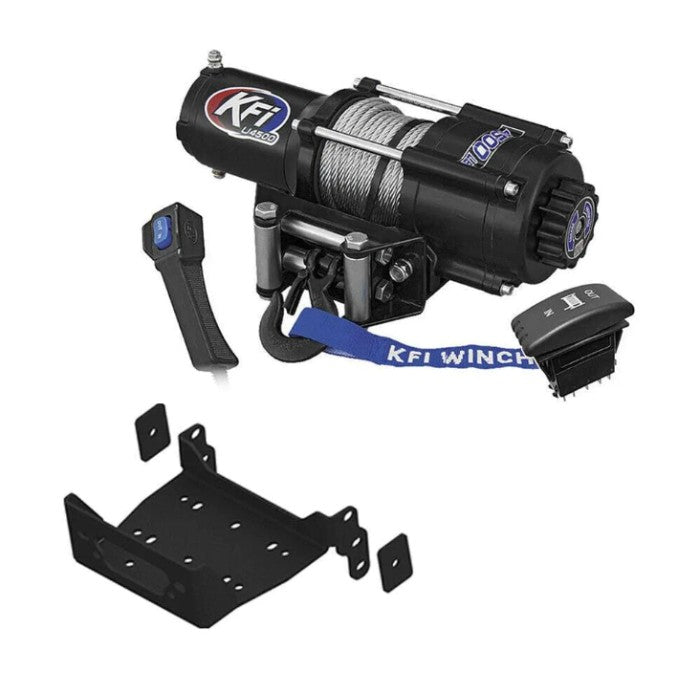
Choosing the right winch means knowing its key specifications. These details tell you what the winch can handle and how well it will work. Understanding these specs helps you pick a winch that matches your needs. Focus on weight capacity, line pull and speed, cable length, and diameter.
Weight Capacity
Weight capacity shows the maximum load the winch can pull safely. Always pick a winch with a higher capacity than your heaviest load. This prevents damage and keeps you safe during use. Check the manufacturer’s rating before buying.
Line Pull And Line Speed
Line pull is the force the winch can apply to move a load. Line speed tells how fast the cable pulls in or lets out. Faster line speed means quicker work, but it may reduce power. Balance speed and strength based on your tasks.
Cable Length And Diameter
Cable length affects how far you can pull an object. Longer cables offer more reach but may add weight. Cable diameter impacts strength and durability. Thicker cables handle more load but can be harder to manage.
Matching Winch Size To Vehicle
Choosing the right winch size is key to safe and effective vehicle recovery. The winch must match your vehicle’s needs. A winch that is too small can fail or cause damage. One that is too large can be heavy and costly. Understanding your vehicle’s weight and terrain helps pick the perfect winch size.
Vehicle Weight Considerations
Your vehicle’s weight is the most important factor in choosing a winch. The winch’s pulling capacity should be at least 1.5 times the vehicle’s gross weight. This ensures enough power to pull the vehicle out of tough spots. For example, a 5,000-pound truck needs a winch rated for at least 7,500 pounds.
Think about any extra weight too. Cargo, passengers, and added gear increase the total weight. Add this to your vehicle’s base weight before selecting a winch. This helps avoid underestimating the needed pulling power.
Terrain And Recovery Needs
The terrain you drive on affects the winch size needed. Rocky or muddy trails require more strength than flat, smooth roads. The winch must handle difficult recoveries and heavy resistance.
Consider how often you will use the winch. Frequent recovery work demands a stronger, more durable model. For light use, a smaller winch might be enough. Match the winch to your typical driving conditions and recovery tasks.
Additional Factors To Consider
Choosing the right winch size is important, but other factors also matter. These can affect how well the winch works and how long it lasts. Think about power, how to install it, and how tough it is. These details help you get the best winch for your needs.
Power Source Options
Winches use different power sources. Some run on your vehicle’s battery. Others use hydraulic or electric power. Battery-powered winches are easy to use and common. Hydraulic winches need a pump but offer more power. Choose a power source that fits your vehicle and use.
Mounting And Installation
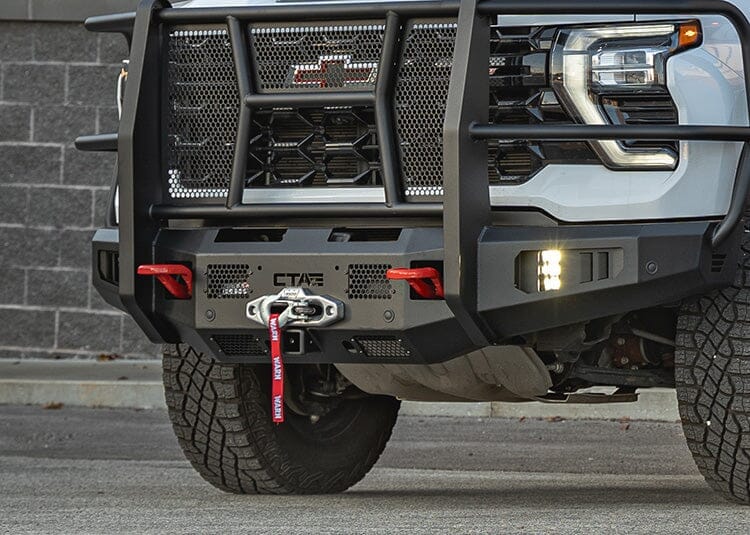
Where you put the winch matters. It must fit the mounting spot securely. Some winches need special brackets or plates. Check your vehicle’s manual for mounting points. Proper installation keeps the winch safe and stable during use.
Durability And Maintenance
Winches face tough conditions. Look for models with strong materials and weather protection. Regular cleaning and lubrication extend winch life. Check cables and parts often for wear. A durable winch needs less repair and works better over time.
Tips For Buying The Right Winch
Choosing the right size winch is key for safety and efficiency. Many factors affect the decision. Knowing these tips helps avoid mistakes and saves money.
These tips focus on practical steps to pick a winch that matches your needs. They guide you through checking reliable sources and expert opinions.
Consulting Manufacturer Guidelines
Manufacturers provide clear instructions on winch capacity. These guidelines show the maximum weight the winch can handle safely. Always match the winch size to your vehicle’s weight. Follow these instructions strictly to avoid accidents or damage.
Reading User Reviews
User reviews share real experiences with different winch models. They reveal strengths and weaknesses that specs do not show. Pay attention to comments about durability and ease of use. Reviews help spot reliable brands and avoid common problems.
Seeking Professional Advice
Experts offer personalized advice based on your unique needs. They understand technical details and safety standards. Visit a trusted dealer or mechanic for guidance. Their input helps you choose a winch that performs well and lasts long.
Credit: chandlertruckaccessories.com
Frequently Asked Questions
What Is The Ideal Winch Size For My Vehicle?
Choose a winch with a pulling capacity 1. 5 to 2 times your vehicle’s weight. This ensures safe and efficient recovery without overloading the winch.
How Do I Calculate Winch Capacity Needed?
Multiply your vehicle’s gross weight by 1. 5 to 2. This calculation covers extra resistance like mud or steep terrain during recovery.
Does Cable Length Affect Winch Size Choice?
Cable length doesn’t affect winch size but impacts recovery reach. Ensure the cable is long enough for your typical recovery situations.
Can I Use A Smaller Winch For Lighter Loads?
Using a smaller winch may cause strain and damage. Always match or exceed your vehicle’s weight for reliable performance.
Conclusion
Choosing the right size winch makes your tasks safer and easier. Know the weight you need to pull before picking a winch. A winch too small may fail; too big wastes money. Consider the winch’s pulling power and cable length carefully.
Take time to compare features and read reviews. A good choice lasts longer and works better. Trust your needs and choose wisely for best results.

![Read more about the article How to Bench Test A Winch Motor [Complete Guide]](https://autopartsguideline.com/wp-content/uploads/2022/02/bench-test-a-winch-motor-300x192.webp)
