
Your car’s wiper blades play a crucial role in keeping your windshield clear and your drive safe, especially during rain or snow. But what happens when they start streaking, skipping, or making noise?
Instead of rushing to the mechanic or buying new blades right away, you can fix many common problems yourself. You’ll discover simple, step-by-step tips to bring your wiper blades back to life quickly and easily. Keep reading, and you’ll save time, money, and avoid frustration on your next drive.
Signs Of Wiper Blade Problems
Wiper blades help keep your windshield clear. They make driving safer in rain or snow. Knowing the signs of wiper blade problems helps you fix them early. This saves money and avoids accidents.
Streaks And Smears
Streaks or smears on the glass show the blades are not wiping well. This happens when dirt or worn rubber stays on the blade. It blocks the clear view through the windshield. You might see lines or spots that don’t go away.
Noisy Operation
Wiper blades should move quietly across the glass. Squeaking or chattering sounds mean trouble. Noise happens if the rubber is dry or cracked. The blade can skip or jump on the windshield. This noise signals you need to check the blades.
Worn Rubber Edges
Look closely at the blade’s rubber edge. It should be smooth and flexible. If it looks cracked, torn, or bent, it’s worn out. Worn edges do not clear water properly. Replace the blades to keep your windshield clean and safe.

Credit: www.amazon.com
Tools Needed For Repair
Fixing a wiper blade is simple with the right tools. Having the correct tools saves time and effort. It also helps you avoid damage to your car or the blade. Prepare these tools before starting your repair work.
Basic Tools Checklist
- Screwdriver (flathead and Phillips)
- Pliers
- Replacement wiper blade
- Cleaning cloth or rag
- Wiper arm remover (optional)
- Gloves (optional)
Safety Precautions
Turn off the car engine before starting the repair. Make sure the wiper switch is off to avoid sudden movement. Wear gloves to protect your hands from sharp edges. Work in a well-lit area to see all parts clearly. Keep tools and small parts organized to prevent loss.
Removing Old Wiper Blades
Removing old wiper blades is the first step to fixing or replacing them. It helps to ensure your new blades fit well and work properly. Old blades can wear out, crack, or leave streaks on your windshield. Removing them carefully avoids damage to your car’s wiper arm and windshield. Follow the steps below to take off your old wiper blades safely and quickly.
Locating The Release Mechanism
Wiper blades have a small clip or tab that locks them in place. This release mechanism holds the blade to the wiper arm. Look closely where the blade meets the arm. The clip is usually on the top or side of the blade connection. Some cars have a button you press, while others need you to slide the clip. Find this part before trying to remove the blade.
Detaching The Blade Safely
Hold the wiper arm firmly to avoid snapping it back onto the windshield. Press or slide the release clip gently. Pull the blade down or away from the arm. Do this slowly to stop any sudden movement. Avoid pulling the blade with too much force. Once free, set the old blade aside for proper disposal. Always keep your fingers clear of the arm’s sharp edges.
Inspecting And Cleaning Wiper Arms
Inspecting and cleaning wiper arms is key to keeping your windshield clear. Dirt and damage can stop blades from working well. Regular checks help catch small problems early. Cleaning the wiper arms improves blade contact with the glass. This keeps your vision sharp during rain or snow.
Checking For Damage
Look closely at the wiper arms for bends or cracks. Bent arms do not press blades evenly on the glass. Cracks can cause arms to break suddenly. Check the connection points where arms attach to the car. Loose or rusted joints reduce wiping power. Replace damaged wiper arms to restore proper function.
Removing Dirt And Debris
Use a soft cloth to wipe dirt off the arms. Avoid harsh chemicals that can harm the metal or paint. Clean off any leaves, twigs, or buildup near the hinges. Dirt can block arm movement and scratch the windshield. Regular cleaning helps the blades glide smoothly and last longer.
Installing New Or Repaired Wiper Blades
Installing new or repaired wiper blades is a simple task that improves visibility. Clear windshields make driving safer, especially in rain or snow. Correct installation ensures the blades work smoothly without noise or streaks. Follow basic steps to align and secure the blade properly. This keeps the wipers effective and lasting longer.
Aligning The Blade Properly
Start by matching the new blade with the wiper arm shape. Place the blade on the arm carefully. Make sure the rubber edge touches the windshield evenly. Check that the blade lies flat against the glass. Avoid any gaps or twists that cause poor wiping. Proper alignment helps remove water without leaving streaks.
Securing The Blade In Place
Attach the blade firmly to the wiper arm clip. Push the blade until you hear a click. This sound means the blade is locked safely. Tug gently to test if it stays fixed. Loose blades can fall off or scratch the glass. Proper locking keeps the blade steady during use.

Credit: www.wikihow.com
Testing Wiper Functionality
Testing wiper functionality is a key step after fixing or replacing the wiper blades. It helps ensure the blades clean the windshield properly. Clear vision is important for safe driving, especially in rain or snow.
Testing lets you spot any issues early. Problems like streaks, skipping, or uneven wiping can show up. These signs mean the blades or arms need adjustment or replacement.
Running The Wipers
Turn on the wipers using the control inside your car. Watch how the blades move across the windshield. They should glide smoothly without any jerking or noise.
Check if the blades clear water in one swipe. If water or dirt remains, the blades might be old or damaged. Also, listen for any squeaking sounds. These sounds suggest worn rubber or poor contact with glass.
Adjusting For Optimal Performance
If the wipers do not work well, try adjusting the blade position. Gently lift the arm and reposition the blade so it touches the windshield evenly.
Make small changes and test the wipers again. The blade should wipe the glass fully without leaving streaks or missing spots. Tighten any loose screws or clips on the blade or arm.
Check the tension of the wiper arm. It should press the blade firmly against the windshield. Too loose or too tight arms reduce wiping efficiency and cause damage.
Maintenance Tips For Longevity
Keeping your wiper blades in good shape saves money and improves driving safety. Proper care helps them last longer and work better. Simple maintenance steps prevent damage and reduce the need for repairs. Follow these tips to extend the life of your wiper blades.
Regular Cleaning
Clean your wiper blades every few weeks. Use a soft cloth and mild soap with water. Wipe the rubber edge gently to remove dirt and grime. Avoid harsh chemicals that can damage the rubber. Clean blades clear water better and reduce streaks on your windshield.
Seasonal Checks
Check your wiper blades at the start of each season. Look for cracks, tears, or stiffness in the rubber. Cold weather can make blades hard and brittle. Heat can cause rubber to soften and wear out faster. Replace blades if you notice any damage for clear vision in all weather conditions.
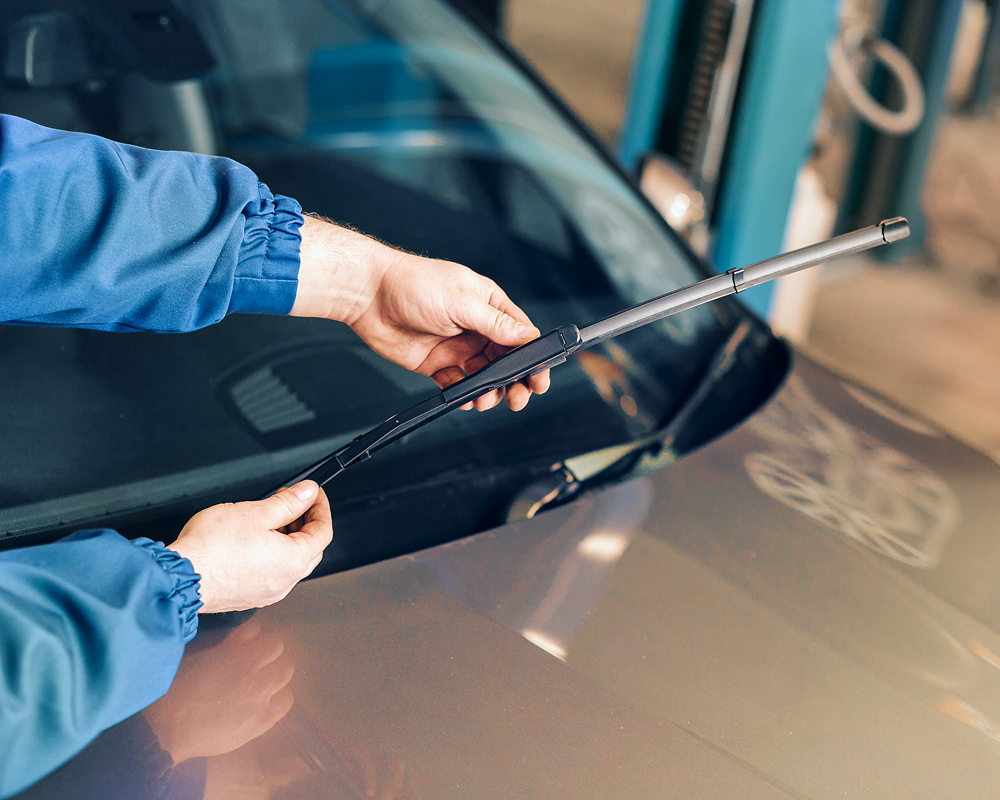
Credit: www.fleetio.com
Frequently Asked Questions
How Do I Fix A Squeaky Wiper Blade?
To fix a squeaky wiper blade, clean the blade and windshield with a damp cloth. Replace the blade if it’s worn out or cracked.
Why Is My Wiper Blade Leaving Streaks?
Streaks appear due to dirt, worn rubber, or improper blade installation. Clean or replace the blade to stop streaking.
How Often Should Wiper Blades Be Replaced?
Replace wiper blades every 6 to 12 months, or when they start streaking or squeaking for optimal performance.
Can I Fix A Bent Wiper Arm Myself?
Yes, carefully bend the wiper arm back into position with pliers, but avoid excessive force to prevent damage.
Conclusion
Fixing a wiper blade keeps your windshield clear and safe. Regular checks help spot problems early. Tighten or replace parts as needed. Clean blades work better in rain and snow. Small fixes save money and avoid bigger issues. Stay safe by maintaining your car’s wipers.
Taking a few minutes today helps you drive tomorrow. Simple steps make a big difference on the road. Keep your view clear. Drive with confidence every time.