
When was the last time you checked your wiper blades? If you’re like most people, it might have slipped your mind.
But when rain or snow hits, clear vision is not just important—it’s a matter of safety. Choosing the right wiper blades can make all the difference in how well you see the road ahead. So, what should you look for when buying wiper blades?
This guide will help you make a smart choice that keeps your windshield spotless and your drives safe, no matter the weather. Keep reading to find out how to pick the perfect pair for your car.
Types Of Wiper Blades
Wiper blades come in different types to suit various weather and driving needs. Each type offers unique features for clear visibility. Understanding these types helps pick the right blade for your vehicle.
Conventional Blades
Conventional blades are the classic design with a metal frame. They hold a rubber strip that wipes the windshield. These blades are affordable and easy to replace. They work well in mild weather but may wear out faster in harsh conditions.
Beam Blades
Beam blades have a sleek, curved design without a metal frame. This helps them fit tightly against the windshield. They offer better performance in rain and snow. Beam blades last longer and provide smooth wiping without streaks.
Hybrid Blades
Hybrid blades combine features of conventional and beam blades. They have a metal frame with a rubber cover. This design improves durability and wiping power. Hybrid blades work well in different weather and offer quiet operation.
Size And Fit
Choosing the right size and fit for wiper blades is key to clear vision on the road. Blades that are too long or too short can leave streaks or miss spots. Proper fit ensures the blade moves smoothly across your windshield. It also helps avoid damage to the wiper arm or glass. Knowing how to measure and check your car’s needs saves time and money.
Measuring Your Current Blades
Start by measuring the length of your old wiper blades. Use a ruler or tape measure for accuracy. Measure from one end of the rubber blade to the other. Write down the size in inches or centimeters. Check both driver and passenger sides. They often have different lengths. This simple step helps you pick the correct replacement.
Checking Vehicle Specifications
Find your car’s manual or look inside the driver’s door frame. This area usually lists the recommended wiper blade sizes. Some cars have different sizes for front and rear blades. Use these specs to guide your purchase. Buying blades that match your vehicle ensures proper fit. It also keeps your windshield clear and safe.
Material Quality
Material quality plays a big role in the performance of wiper blades. The right material keeps your windshield clear and safe during rain or snow. It affects how smoothly the blade moves and how long it lasts. Understanding the types of materials helps you choose the best blade for your car.
Rubber Types
Most wiper blades use natural or synthetic rubber. Natural rubber is soft and flexible. It wipes well but wears out faster. Synthetic rubber lasts longer and resists heat and cold. It works well in different weather. Some blades mix both types for better strength and comfort.
Silicone Advantages
Silicone blades last longer than rubber. They resist cracking and hardening from sun and cold. Silicone wipes water better and leaves less streaks. They also reduce noise while wiping. These blades need less pressure, so they protect your windshield.

Credit: www.consumerreports.org
Performance Features
Performance features are key when choosing wiper blades. They decide how well blades clear your windshield. Good performance means better vision and safer driving in all conditions. Focus on features that keep your view clear without hassle or noise.
All-weather Functionality
Wiper blades must work well in rain, snow, and sun. Some blades use special rubber that stays flexible in cold weather. Others have coatings to resist UV damage. This keeps blades from cracking or breaking. Choose blades designed to handle wet and dry conditions smoothly. This ensures clear vision no matter the weather.
Noise And Streak Reduction
Quiet blades make driving more comfortable. Look for blades with smooth edges or extra rubber layers. These reduce squeaks and chatter on the glass. Streaks block your view and cause distractions. High-quality blades wipe evenly, leaving no streaks behind. This improves safety by giving a clean, clear windshield every time.
Installation Ease
Installing wiper blades should be quick and simple. A smooth installation saves time and avoids frustration. Knowing what affects installation ease helps you choose the right blades for your car.
Universal Vs. Vehicle-specific Fittings
Universal fittings fit many car models. They offer flexibility but might need extra steps during installation. Some adapters or adjustments could be necessary to secure the blade properly.
Vehicle-specific fittings match your car’s make and model exactly. They usually fit perfectly without extra parts. This reduces installation time and lowers the chance of mistakes.
Tools And Instructions
Many wiper blades come with easy-to-follow instructions. Clear steps help you install blades confidently without tools. Some blades require simple tools like a screwdriver.
Check if the package includes all needed parts. Missing tools or unclear guides can make installation hard. Good instructions and included tools speed up the process and prevent errors.
Durability And Lifespan
Durability and lifespan are key factors when buying wiper blades. Strong blades last longer and perform better in all conditions. They save money and keep your windshield clear. Choosing blades with good durability ensures safe driving in rain, snow, or dust.
Resistance To Weather Conditions
Good wiper blades resist heat, cold, and UV rays. They do not crack or warp under strong sun or freezing cold. Rain, snow, and ice should not damage them quickly. Look for blades made from rubber or silicone that handle weather changes well. These materials stay flexible and clean your windshield smoothly.
Signs Of Wear
Check blades often for cracks, splits, or missing pieces. Streaks or smears on the glass mean blades wear out. Listen for squeaking or chattering sounds when wiping. These signs show the rubber is hard or damaged. Replace blades at the first sign of wear to keep clear vision.
Safety Considerations
Safety matters most when choosing wiper blades. Good blades protect you and others on the road. Poor blades can blur your view, causing accidents. Always think about how the blades affect your driving safety.
Visibility Impact
Clear vision is key for safe driving. Wiper blades must remove rain, snow, and dirt fast. Streaks or missed spots can block your view. Choose blades that fit your car well for full windshield coverage. Quality blades help you see clearly in bad weather.
Maintaining Clear Windshields
Clean windshields reduce glare from lights and sun. Wiper blades wear out over time and lose strength. Replace them regularly to keep the glass clean. Good blades prevent scratches on the glass surface. A clear windshield means safer driving every day.

Credit: blog.napacanada.com
Price And Warranty
Price and warranty play a big role in choosing wiper blades. A good balance helps you get value for money. Wipers must last long and perform well. Warranty shows how much the maker trusts the product.
Balancing Cost And Quality
Cheap wipers might save money now. They often wear out fast or leave streaks. Expensive ones usually have better materials and design. They clear water well and last longer. Choose wipers that fit your budget and quality needs. Avoid the cheapest options that fail quickly. Spending a bit more can save money later.
Manufacturer Guarantees
Look for wipers with a clear warranty. It covers defects and early damage. A good warranty lasts several months to a year. It shows the maker’s confidence in their product. Read the warranty terms before buying. Some cover only parts, others cover full replacement. A strong guarantee offers peace of mind.
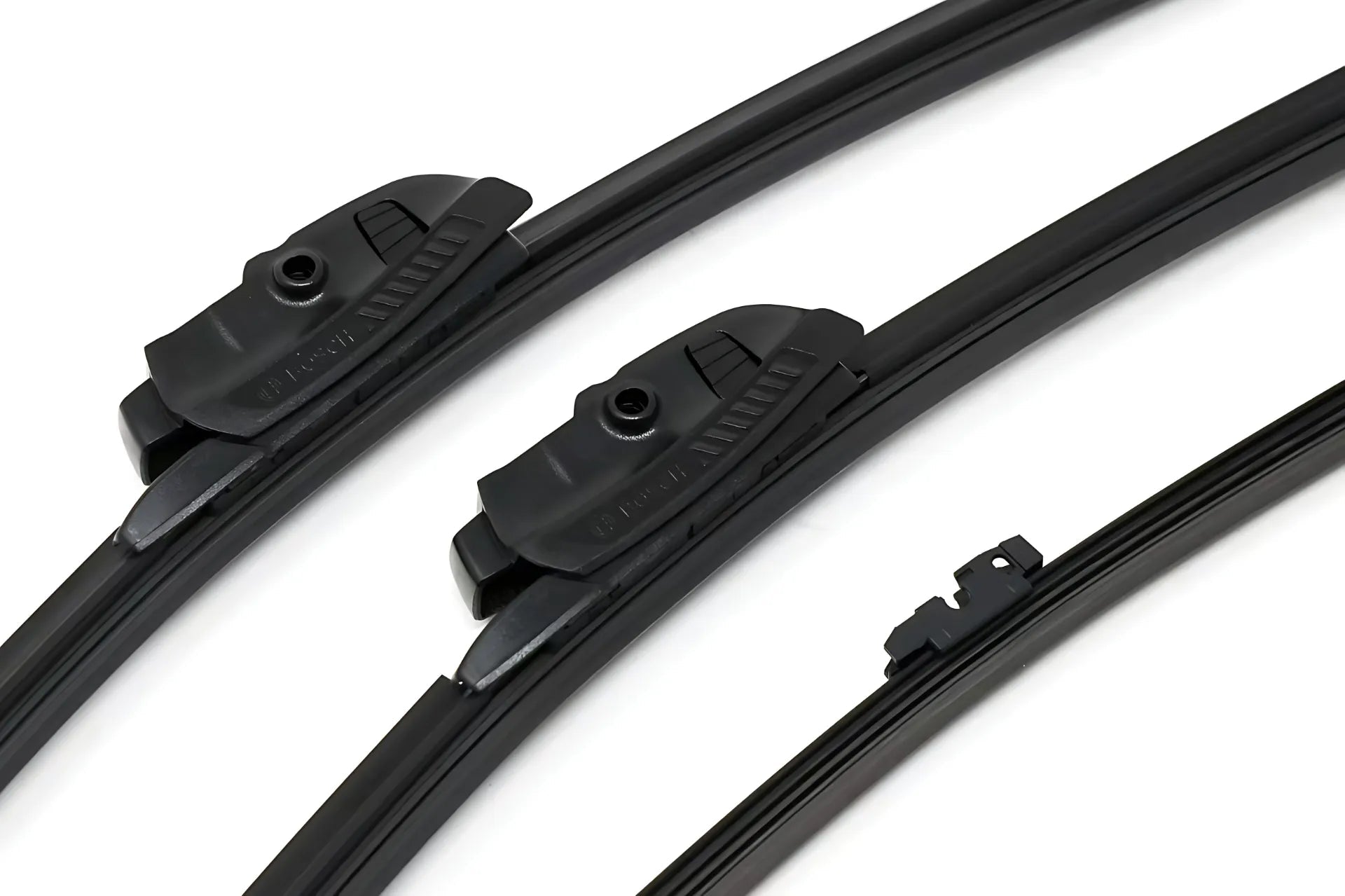
Credit: evparts4x4.com
Frequently Asked Questions
What Size Wiper Blades Do I Need?
Check your vehicle’s manual or measure your current blades. Proper size ensures effective wiping and safety. Sizes vary by make and model.
How Often Should I Replace Wiper Blades?
Replace wiper blades every 6 to 12 months. Exposure to sun and weather causes wear. Regular replacement maintains clear visibility.
What Types Of Wiper Blades Are Best?
Choose between conventional, beam, or hybrid blades. Beam blades offer better performance in winter. Select based on your climate and driving needs.
Can I Install Wiper Blades Myself?
Yes, most wiper blades are easy to install. Follow instructions and ensure proper attachment for safety and function.
Conclusion
Choosing the right wiper blades keeps your windshield clear and safe. Check size, material, and weather fit before buying. Good blades wipe smoothly without leaving streaks or noise. Replace old blades regularly to avoid poor visibility. Clear vision helps prevent accidents, especially in rain or snow.
Taking time to pick the best blades makes driving safer and easier. A small effort leads to better road safety every day.