
Have you ever struggled to see clearly through your windshield on a rainy day? Your wiper blades play a huge role in keeping your vision sharp and your driving safe.
But how do you know when it’s time to replace them? Changing your wiper blades at the right moment can save you from dangerous driving conditions and costly repairs. Keep reading to discover the signs you shouldn’t ignore and find out exactly when the best time is to change your wiper blades.
Your safety depends on it.

Credit: wittnapa.com
Signs Wiper Blades Need Replacement
Wiper blades play a key role in clear vision during rain or snow. Knowing the signs of worn-out blades helps keep driving safe. Regular checks prevent accidents and improve windshield cleaning. Watch for these clear signs that your wiper blades need replacement.
Streaking And Smearing
Wiper blades leave streaks or smears on your windshield. This reduces visibility, especially in bad weather. Streaking means the rubber is worn or dirty. Smearing happens when blades do not wipe water away fully. Clean blades should leave a clear, dry surface.
Chattering And Noise
Blades that chatter or make noise move unevenly on the glass. This sound shows rubber has hardened or the blade is damaged. Chattering causes poor contact with the windshield. Smooth, quiet wiping means blades are in good shape.
Visible Damage And Cracks
Look closely at the rubber edge of your wiper blades. Cracks, tears, or missing pieces mean the blade will not work well. Sun and cold weather can cause rubber to break down. Damaged blades can scratch the glass or fail to clear water.

Credit: www.youtube.com
Ideal Frequency For Changing Blades
Knowing how often to change your wiper blades helps keep your windshield clear. Clear vision is important for safe driving. Wiper blades wear down over time and lose their effectiveness. Replacing them at the right time ensures good visibility in rain or snow. Several factors affect the ideal frequency for changing blades.
Manufacturer Recommendations
Car makers and wiper blade brands suggest changing blades every 6 to 12 months. This range covers normal wear and tear. Check your vehicle’s manual or blade packaging for specific advice. Sticking to these guidelines helps maintain clear visibility and blade performance.
Impact Of Climate And Weather
Hot sun can dry out rubber blades and cause cracks. Cold, icy weather can make blades stiff and brittle. Rainy or snowy areas cause blades to work harder and wear faster. In harsh climates, changing blades every 6 months or less is better. Mild climates may allow longer use before replacement.
Driving Habits And Usage
Frequent driving in rain or snow wears blades faster. Using wipers on a dirty windshield scrapes the rubber and damages blades. Some drivers use their wipers more often, needing quicker replacement. Others drive mostly in dry weather and can change blades less often. Assess your driving style to decide when to change blades.
Seasonal Considerations For Replacement
Wiper blades wear out differently depending on the season. Weather changes affect their performance and lifespan. Knowing when to change them can keep your view clear and your drive safe.
Seasonal changes bring unique challenges for wiper blades. This makes timing the replacement important. Here are key tips for each season.
Preparing For Rainy Seasons
Rainy seasons demand wipers that work without streaks or skips. Old blades can smear water and block vision. Check blades before heavy rains start. Replace them if rubber feels hard or cracked.
Clear vision helps avoid accidents in wet weather. Use new blades to wipe away rain quickly. This improves safety on slippery roads.
Winter Blade Choices
Winter brings snow, ice, and cold. Regular blades may freeze or tear easily. Choose winter wiper blades with a protective cover. These resist ice buildup and stay flexible in cold.
Winter blades clear snow and frost better. They reduce the chance of damage caused by frozen ice. Change to winter blades before the first snowfall.
Summer Maintenance Tips
Heat and sun can crack wiper rubber fast. Check blades often during hot months. Clean blades with mild soap to remove dirt and bugs.
Replace blades if they leave streaks or miss spots. Keeping blades in good shape helps clear dust and grime. This keeps your windshield clean in dry weather.
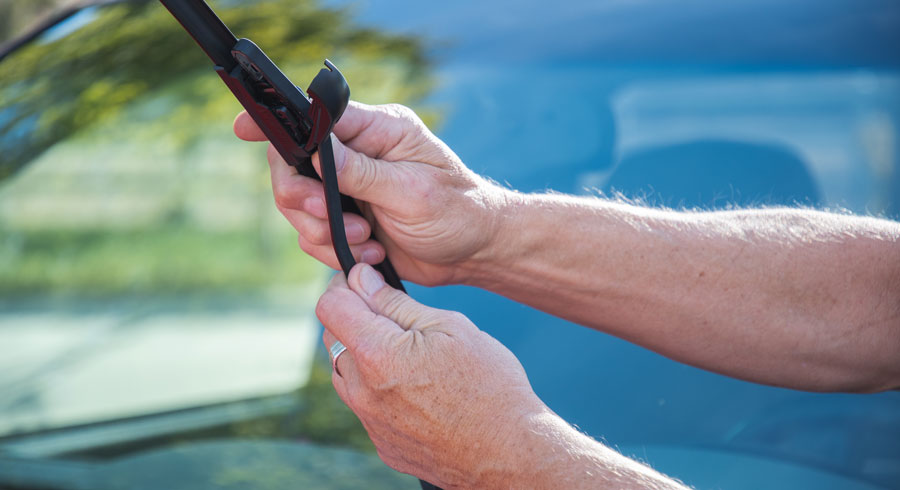
Credit: www.autozone.com
Expert Tips For Maintaining Wiper Blades
Wiper blades need care to work well and last longer. Simple steps keep them clean and safe. Proper maintenance helps you see clearly during rain or snow. Follow these expert tips to keep wiper blades in top shape.
Regular Cleaning Techniques
Wipe blades with a soft cloth and warm water. Remove dirt and grime after every few uses. Avoid harsh chemicals that can damage rubber. Clean the windshield too, so blades glide smoothly. Regular cleaning stops streaks and squeaks.
Avoiding Damage From Ice And Debris
Never scrape ice with wiper blades. Use an ice scraper or de-icer spray instead. Lift blades off the windshield in freezing weather. Keep leaves and debris away from the blades. This prevents tears and keeps the rubber soft.
Proper Storage When Not In Use
Lift wiper blades away from glass when parking long. This stops the rubber from sticking to the windshield. Cover blades or park in shade to avoid sun damage. Store blades flat and dry if removed. Good storage saves money and trouble later.
Choosing The Right Wiper Blades
Choosing the right wiper blades matters for clear vision and safe driving. Not all blades fit every car or weather condition. Picking the right type and size keeps your windshield clean. It also helps avoid streaks and damage. Here is what to consider when selecting new wiper blades.
Types Of Wiper Blades
There are three main types of wiper blades. Traditional frame-style blades have a metal frame that holds the rubber. They work well in normal weather but can get stuck in snow or ice.
Beam blades have a one-piece design. They press evenly on the glass and resist ice build-up better than frame-style blades.
Hybrid blades combine the best of both types. They offer strong pressure and smooth wiping with a sleek look.
Matching Blades To Vehicle Models
Each car needs the right blade size. Check your owner’s manual or measure the current blades. Some cars need different sizes on the driver and passenger sides.
Also, some vehicles require special adapters to fit the wiper arms. Make sure the blades you choose match your car’s model and year for a proper fit.
Quality Vs. Price Considerations
Cheap blades may save money but wear out fast. They can leave streaks or skip across the windshield.
Higher quality blades last longer and wipe better in rain or snow. They cost more but offer better safety and comfort.
Choose blades that balance price and quality. Think of it as an investment in clear vision and safe driving.
Frequently Asked Questions
When Should I Replace My Wiper Blades?
Replace wiper blades every 6 to 12 months or when streaking occurs. Regular checks ensure clear visibility and safe driving.
How Do I Know My Wiper Blades Need Changing?
Look for streaks, skipping, or squeaking sounds during use. These signs indicate worn rubber and reduced effectiveness.
Can Weather Affect Wiper Blade Lifespan?
Yes, extreme heat, cold, and UV exposure can degrade blades faster. Inspect them more often in harsh climates.
Is It Safe To Drive With Old Wiper Blades?
No, old blades reduce visibility in rain and snow. Replace them promptly to maintain safety and clear vision.
Conclusion
Changing wiper blades at the right time keeps your view clear. Watch for streaks, cracks, or squeaking sounds. These signs mean it’s time to replace them. Clean blades help you drive safely in rain or snow. Regular checks can prevent accidents and save money.
Don’t wait until the weather turns bad. A quick blade change is easy and fast. Stay safe by keeping your windshield clear every day. Your car and your eyes will thank you.