
If you’ve ever faced the challenge of hoisting a deer after a successful hunt, you know it’s not always easy or safe. Getting your deer off the ground quickly and securely can save you time and effort—and prevent injury.
But what’s the best way to do it? You’ll discover simple, effective methods that make the job easier, even if you’re new to hunting. Keep reading to learn practical tips that will help you handle your deer with confidence and ease every time.

Credit: www.youtube.com
Choosing The Right Hoist
Choosing the right hoist is crucial for safely lifting a deer. The hoist must be strong, easy to use, and fit your needs. Picking the right type saves time and effort during the process. Consider the hoist’s design, power source, and weight limits before buying. This helps avoid accidents and makes the task easier.
Types Of Deer Hoists
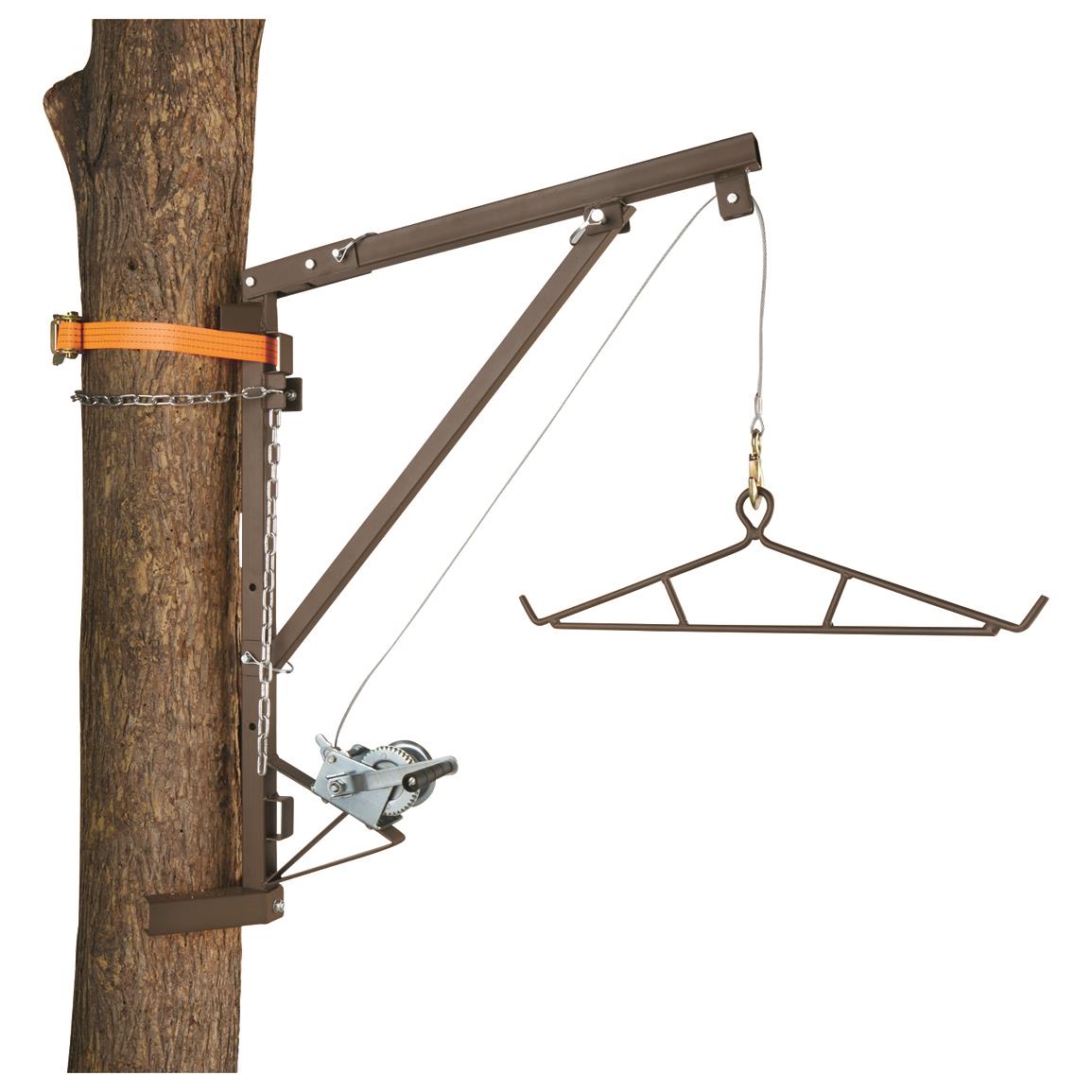
There are several types of deer hoists. Some use pulleys and ropes, while others have a crank or electric motor. Rope hoists are simple and affordable. Crank hoists require manual effort but offer more control. Electric hoists lift heavier loads with less effort. Choose a type that fits your space and lifting needs.
Manual Vs. Electric Hoists
Manual hoists use hand power to lift the deer. They are less expensive and require no electricity. These are good for small spaces and light use. Electric hoists use a motor to lift the deer faster. They reduce physical strain and save time. Electric models cost more but work well for heavy or frequent lifting.
Weight Capacity Considerations
Check the hoist’s weight capacity before buying. Deer can weigh between 100 and 300 pounds. Choose a hoist that can lift at least 50 pounds more than your heaviest deer. This ensures safety and prevents damage. A higher capacity hoist lasts longer and handles tougher jobs.
Credit: www.sportsmansguide.com
Setting Up Your Hoist
Setting up your hoist correctly is key to lifting a deer safely and efficiently. This process starts with choosing the right spot and ends with making sure everything is secure. Taking time here helps avoid accidents and makes the job easier. Follow these steps to set up your hoist properly.
Selecting A Secure Anchor Point
Choose a strong and stable anchor point to hang your hoist. Trees with thick trunks or sturdy beams work best. Avoid weak branches or anything that might break under weight. The anchor must hold the full load without shifting or bending.
Proper Installation Techniques
Attach the hoist to your anchor point using durable straps or ropes. Wrap the straps tightly around the tree or beam. Ensure knots or hooks are secure and will not slip. Keep the hoist pulley system straight to reduce friction and wear.
Safety Checks Before Lifting
Check all parts of the hoist before lifting the deer. Look for frayed ropes, loose knots, or damaged pulleys. Test the hoist by lifting a small weight first. Confirm the anchor point does not move or shift. Safety checks prevent accidents and protect your equipment.
Preparing The Deer For Hoisting
Preparing a deer for hoisting is an important step after a successful hunt. Proper preparation helps keep the meat clean and safe. It also makes the hoisting process easier and more efficient. Taking the time to prepare the deer carefully ensures a better result.
Field Dressing Basics
Start by field dressing the deer as soon as possible. Remove the internal organs carefully to avoid damaging the meat. Use a sharp knife and cut along the belly from the chest to the pelvis. Take care not to puncture the stomach or intestines. This step helps cool the meat quickly and reduces bacteria.
Using Gambrel And Rope
A gambrel is a useful tool for hoisting a deer. It spreads the legs apart and holds the deer securely. Attach the gambrel to the hind legs using sturdy rope or straps. Make sure the knots are tight and the deer is balanced. Using a rope with good strength prevents accidents during hoisting.
Positioning The Deer Correctly
Hang the deer with its head down and legs up. This position helps drain blood and fluids from the body. Keep the deer steady and avoid swinging. Proper positioning also makes skinning and butchering easier later. Check that the deer is secure before lifting it completely off the ground.
Hoisting Techniques
Hoisting a deer requires proper techniques to ensure safety and efficiency. Using the right method makes the process easier and faster. It also helps protect the meat from dirt and damage. Understanding hoisting techniques can save time and effort during your hunting trip.
Step-by-step Lifting Process
First, secure a strong rope around the deer’s hind legs. Tie a firm knot that will not slip. Next, attach the rope to a pulley or hoist system. Slowly pull the rope to lift the deer off the ground. Make sure the deer is balanced and stable as you raise it. Lift the deer high enough to hang it from a tree or frame. Check the rope and knots for safety before fully releasing the deer’s weight.
Common Mistakes To Avoid
Do not use weak ropes that can break under weight. Avoid lifting the deer too fast or unevenly. Never leave the deer hanging without support. Avoid knots that are hard to untie or may loosen. Do not ignore safety gear like gloves or boots. Avoid hoisting in bad weather or slippery areas to prevent accidents.
Tips For Smooth Operation
Choose a sturdy tree or frame for hoisting. Use a pulley system to reduce effort and strain. Keep the rope clean and free of knots. Ask a friend to help guide the deer while lifting. Lift the deer slowly to keep control. Regularly check the hoist equipment for wear or damage. Prepare the area around the hoisting spot to avoid tripping.
Maintaining And Storing Your Hoist
Maintaining and storing your deer hoist properly keeps it safe and ready for use. Good care extends the hoist’s life and ensures smooth operation. Neglect can cause rust, damage, or failure during lifting. Regular attention to cleaning, maintenance, and storage protects your investment.
Cleaning After Use
Remove dirt, blood, and debris from the hoist after each use. Use a damp cloth and mild soap to wipe all parts. Dry the hoist thoroughly to stop rust. Check cables or ropes for any stuck grime. Clean surfaces help the hoist work smoothly next time.
Regular Maintenance Tips
Inspect your hoist regularly for wear and damage. Look closely at cables, hooks, and pulleys. Lubricate moving parts with light oil to prevent rust and friction. Tighten any loose bolts or screws. Replace worn or damaged parts quickly to avoid accidents.
Safe Storage Practices
Store the hoist in a dry, cool place away from moisture. Hang it or place it on a shelf to avoid bending cables. Avoid storing near chemicals or sharp objects. Cover the hoist to protect it from dust. Proper storage keeps the hoist ready and safe for the next hunt.

Credit: www.discountramps.com
Frequently Asked Questions
What Is The Safest Way To Hoist A Deer?
The safest way is using a sturdy hoist system with secure ropes. Ensure the deer is lifted slowly and evenly. Always check the equipment for strength before use. This prevents accidents and keeps the deer steady during processing.
How High Should I Hoist A Deer?
Hoist the deer about 6 to 7 feet off the ground. This height allows easy access for skinning and gutting. It also provides enough clearance to work comfortably without bending over.
What Equipment Do I Need To Hoist A Deer?
You need a strong hoist or gambrel, durable rope or cable, and a secure anchor point. A pulley system helps lift the deer with less effort. Gloves and a sharp knife are also essential for processing.
Can I Hoist A Deer Without A Gambrel?
Yes, you can hoist a deer without a gambrel by tying ropes securely around the legs. However, using a gambrel distributes weight evenly and makes the process easier and safer. Avoid uneven lifting to prevent damage to the meat.
Conclusion
Hoisting a deer safely makes field dressing easier and cleaner. Use sturdy equipment and check knots carefully. Lift slowly to avoid accidents or injuries. Keep your workspace organized and clean throughout the process. This simple method saves time and effort in the field.
Practice these steps to improve your deer hoisting skills. Stay safe and enjoy your hunting experience.
![Read more about the article How to Recable a Winch [A Complete Guide]](https://autopartsguideline.com/wp-content/uploads/2021/10/how-to-recable-a-winch-300x193.webp)
![Read more about the article How to Install a Winch [Ultimate Step by Step Guide]](https://autopartsguideline.com/wp-content/uploads/2021/10/how-to-install-a-winch-1-300x197.webp)
