
Have you ever wondered if you can safely operate a hoist all by yourself? Whether you’re lifting heavy equipment at home or managing tools on a job site, knowing if a hoist is designed for one person makes a big difference.
Using it the right way can save you time, prevent accidents, and protect your belongings. You’ll discover exactly when and how a hoist can be used solo, so you can handle your lifting tasks with confidence and ease. Keep reading to find out what you need to know before getting started.
Types Of Hoists Suitable For Single-person Use
Choosing the right hoist for single-person use depends on the task and environment. Some hoists are easier to operate alone. Others need extra help. This section explains types of hoists that one person can use safely and efficiently.
These hoists offer control, ease, and safety. They work well in small workshops, home garages, or job sites with limited staff.
Manual Hoists
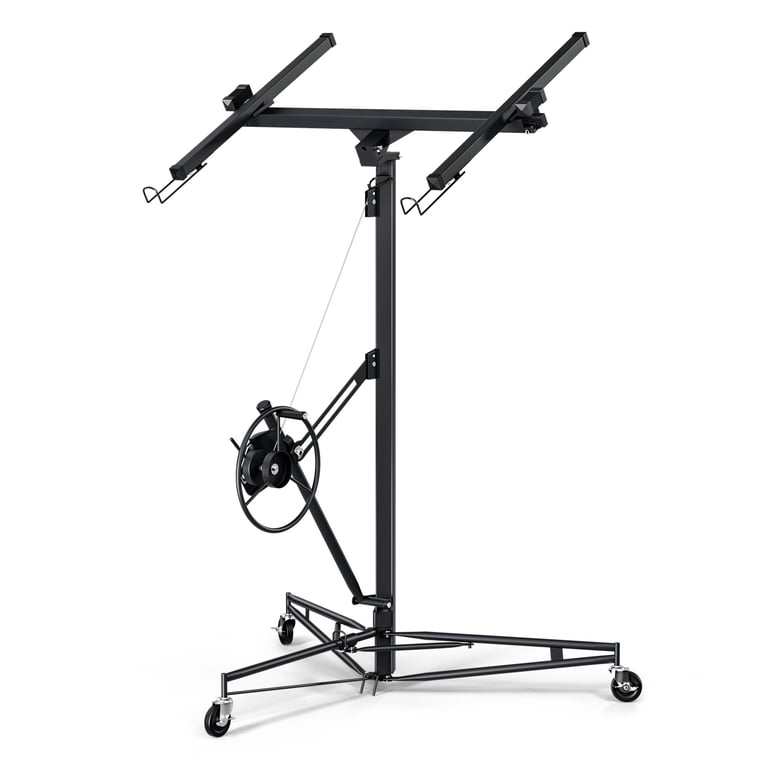
Manual hoists use human power to lift loads. They are simple and do not need electricity. One person can operate them by turning a crank or pulling a chain. These hoists work well for light to medium loads. They are easy to set up and move around. Manual hoists require careful handling to avoid injury. They are ideal for tasks with slower lifting speeds and precise control.
Electric Hoists
Electric hoists use a motor to lift heavy loads. They reduce physical effort and speed up work. One person can control these hoists using a remote or button panel. They are great for lifting heavier items without strain. Electric hoists need a power source, so they work best indoors or near outlets. Safety features like emergency stops make them safe for solo use. They are popular in workshops and warehouses.
Portable Hoists
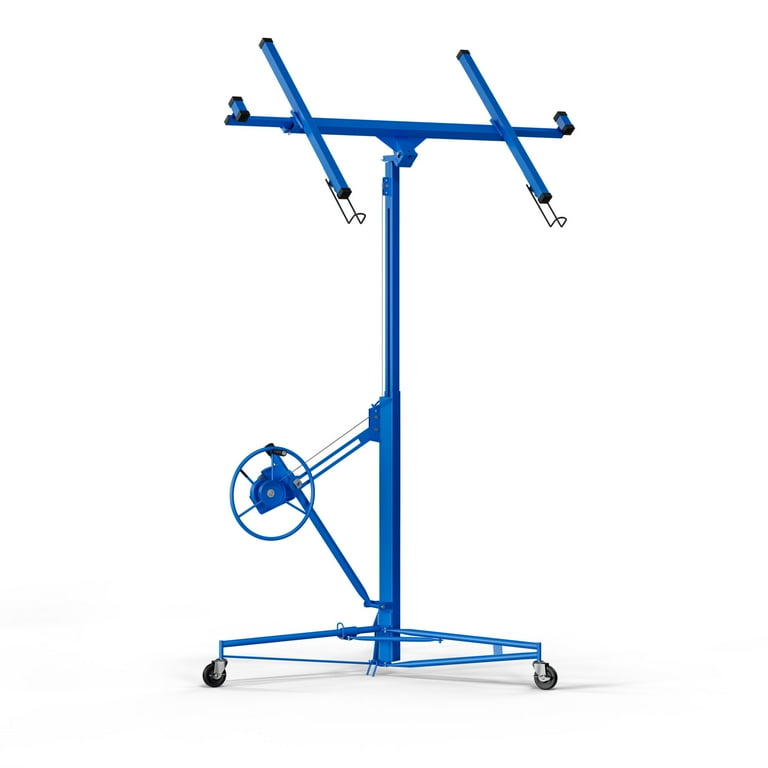
Portable hoists are lightweight and easy to carry. One person can move them between locations without help. They often combine manual or electric lifting options. These hoists fit small spaces and tight work areas. Portable hoists are perfect for temporary jobs or quick lifts. Their compact design allows for fast setup and takedown. They offer flexibility for single-person operations on the go.
Safety Precautions For Solo Operation
Operating a hoist alone requires strict safety measures. Solo operation means you handle all tasks without help. Safety is the top priority to avoid accidents. Follow key precautions to protect yourself and others around.
Proper Load Assessment
Check the weight of the load before lifting. Make sure it does not exceed the hoist’s capacity. Inspect the load for stability and secure it well. Avoid lifting uneven or loose items alone. Proper assessment prevents hoist failure and injury.
Securing The Work Area
Clear the area of obstacles and tripping hazards. Mark the zone to keep others away during operation. Use barriers or warning signs if available. A tidy, secure space helps focus and reduces risk. Never leave the hoist unattended while lifting.
Using Personal Protective Equipment
Wear gloves to protect your hands from sharp edges. Use a hard hat in case of falling objects. Safety boots prevent injuries from dropped loads. Eye protection guards against dust or debris. Proper gear keeps you safe during solo hoist use.
Step-by-step Guide To Using A Hoist Alone
Using a hoist alone can be safe and effective with the right steps. Following a clear process helps avoid accidents and damage. This guide breaks down the actions needed for one person to use a hoist smoothly.
Each step is simple. It covers preparing the hoist, attaching the load, operating controls, and watching the lift. Read carefully and take your time.
Preparing The Hoist
Start by inspecting the hoist. Check for any damage or wear. Make sure the hoist is clean and free of rust. Verify that the power supply is connected if it is electric. Clear the area around the hoist to avoid obstacles. Position the hoist directly above the load. Ensure the hoist’s load limit matches the weight you plan to lift.
Attaching The Load
Select the right sling or hook for your load. Attach it securely to the hoist’s lifting hook. Check that the load is balanced and stable. Avoid loose or hanging parts. Double-check all connections before lifting. Use safety pins or locks if available. Make sure the load will not slip during the lift.
Operating The Controls
Stand in a safe position with a clear view of the load. Use slow, steady movements on the hoist controls. Avoid sudden starts or stops. Raise the load just a few inches first. Check for any unusual sounds or movements. Adjust the speed if possible. Keep your hands on the controls at all times.
Monitoring The Lift
Watch the load closely as you lift or lower it. Look for any swinging or tilting. Stop immediately if the load becomes unstable. Keep your body clear of the load path. Listen for any strange noises from the hoist. Lower the load slowly and carefully onto a stable surface. Make sure the load is secure before releasing the hoist.
Credit: www.walmart.com
Common Challenges When Using A Hoist Solo
Using a hoist alone can be challenging. Safety and efficiency become concerns without extra help. Many users face common issues that affect their work and well-being.
Limited Visibility
Seeing the load and surroundings clearly is hard for one person. Blind spots increase risks of accidents or damage. Adjusting the hoist and load at the same time is tough.
Load Stability Issues
Keeping the load stable requires careful control. One person might struggle to balance the weight properly. Shifting or swinging loads can cause injury or damage.
Physical Strain And Fatigue
Operating a hoist alone means more physical effort. Constantly managing controls and watching the load tires the body. Fatigue can lead to mistakes and reduce focus.
Tips To Improve Efficiency And Safety
Using a hoist alone requires smart steps to keep work smooth and safe. Small actions can make a big difference in how well the hoist works. Here are some tips to help one person operate a hoist safely and efficiently.
Using Remote Controls
Remote controls let you move the hoist without standing under the load. You can control the hoist from a safe distance. This lowers the risk of accidents. It also helps you see the whole area better. Remote controls make it easier to stop or adjust the hoist quickly.
Implementing Spotters Or Cameras
Spotters watch the load and guide the operator. They help avoid obstacles and keep the path clear. Cameras give a clear view of hard-to-see places. They show the load and hoist from different angles. These tools reduce blind spots and improve safety.
Regular Maintenance Checks
Check the hoist often to keep it in good shape. Look for worn parts and loose bolts. Test brakes and cables before each use. Fix problems right away to avoid breakdowns. Regular care keeps the hoist safe and working well.
Credit: www.walmart.com
Legal And Compliance Considerations
Using a hoist alone raises important legal and safety questions. Laws and rules exist to keep workers safe. Understanding these rules helps avoid accidents and fines. Always follow the law to protect yourself and others.
Osha Guidelines
The Occupational Safety and Health Administration (OSHA) sets rules for hoist use. OSHA requires proper inspection before use. Only trained workers should operate hoists. OSHA also limits the weight a hoist can carry. Following these rules reduces injury risks and legal problems.
Manufacturer Recommendations
Hoist makers give clear instructions for safe use. These include how many people can operate the hoist. Using a hoist alone may go against these guidelines. Ignoring manufacturer rules can cause damage or injury. Always read and follow the instruction manual carefully.
Training Requirements
Training is key for safe hoist operation. Workers must learn proper techniques and safety checks. Training often covers signals and emergency steps. Without training, using a hoist alone can be dangerous. Employers must provide training to meet legal standards.
Credit: www.ergomobility.co.uk
Frequently Asked Questions
Can One Person Safely Operate A Hoist Alone?
Yes, one person can safely operate a hoist if properly trained. Always follow manufacturer guidelines and safety protocols to avoid accidents.
What Types Of Hoists Are Suitable For Single-person Use?
Electric and manual chain hoists are often designed for single-person use. Choose models with easy controls and safety features for solo operation.
Are There Weight Limits For Hoists Used By One Person?
Yes, hoists have specific weight limits. Always check the hoist’s rated capacity before lifting to ensure safe use by one operator.
What Safety Measures Should One Person Follow When Using A Hoist?
Use personal protective equipment, inspect the hoist before use, and never exceed weight limits. Maintain clear communication and a safe environment.
Conclusion
A hoist can be used by one person with proper care. Safety must come first to avoid accidents. Always follow the instructions and check the equipment. Using a hoist alone saves time and effort. Stay alert and do not rush the process.
Small steps lead to safe and effective lifting. A single user can manage well with the right tools. Keep your work area clear and organized. Doing so helps prevent injuries and damage. Trust your skills but respect the power of the hoist.