
Has your winch cable snapped at the worst possible moment? You’re not alone, and the good news is you don’t have to panic.
Fixing a broken winch cable might seem tough, but with the right steps, you can get it back in action quickly and safely. In this guide, you’ll discover simple, clear instructions to repair your winch cable and avoid costly replacements.
Stick with me, and you’ll learn how to save time, money, and frustration the next time your winch lets you down. Ready to take control and fix your winch cable like a pro? Let’s dive in.
Common Causes Of Winch Cable Breakage
Winch cables face many challenges during use. These challenges often lead to breakage. Understanding the common causes helps in preventing cable failure. It also guides proper maintenance and repair.
Wear And Tear Over Time
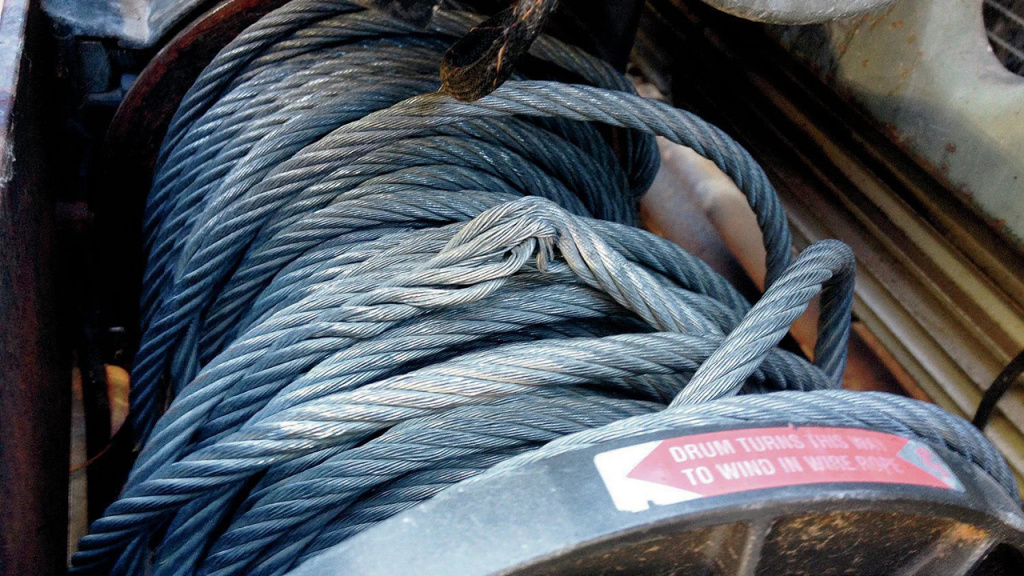
Winch cables weaken after frequent use. The metal strands inside slowly fray. Continuous pulling and releasing cause small damages. These damages build up and reduce cable strength. Regular inspection can spot wear before breakage.
Overloading The Winch
Every winch has a load limit. Pulling loads heavier than this limit stresses the cable. Overloading causes the cable to stretch or snap. It also damages the winch motor and gears. Always check the load rating before use.
Improper Cable Handling
Wrong handling shortens cable life. Twisting or kinking the cable causes weak spots. Pulling at sharp angles adds stress. Not spooling the cable evenly leads to tangles and damage. Proper handling keeps the cable strong and safe.
Corrosion And Rust
Winch cables often face wet or salty conditions. Moisture causes rust on metal strands. Rust weakens the cable and makes it brittle. Regular cleaning and lubrication prevent corrosion. Store the cable dry when not in use.
Credit: www.reddit.com
Safety Measures Before Repairing
Fixing a snapped winch cable needs care and caution. Safety must come first before any repair work. Take steps to protect yourself and others around. This helps avoid accidents and injuries during the repair.
Disconnecting Power Source
Turn off the winch power completely. Unplug the battery or power cable. This stops the winch from moving unexpectedly. Double-check that no power is flowing to the winch. This step is critical to avoid electric shocks or sudden cable pulls.
Wearing Protective Gear
Wear sturdy gloves to protect your hands. Use safety glasses to shield your eyes. A hard hat can protect your head from falling objects. Long sleeves and durable pants reduce skin exposure. Proper gear reduces injury risk during cable handling and repair.
Inspecting Surrounding Area
Clear the area around the winch. Remove loose objects that could cause trips or falls. Check for people or animals nearby. Make sure no one stands in the cable’s path. A safe environment helps prevent accidents during the repair process.
Tools And Materials Needed
Fixing a winch cable that snapped requires specific tools and materials. Having the right items ensures a safe and proper repair. Prepare all tools before starting the job. This saves time and avoids mistakes.
Replacement Cable Options
Choose a cable that fits your winch model. Steel cables are strong and durable. Synthetic cables are lighter and easier to handle. Check the cable diameter and length. Buy from a trusted supplier for quality and safety.
Cutting And Crimping Tools
Use heavy-duty wire cutters to trim the cable cleanly. A crimping tool is necessary to attach cable ends securely. These tools prevent fraying and slipping. Make sure tools match the cable size for best results.
Gloves And Eye Protection
Wear gloves to protect your hands from sharp strands. Eye protection guards against flying debris during cutting or crimping. Safety gear reduces the risk of injury while working with cables.
Step-by-step Repair Process
Fixing a snapped winch cable needs careful steps. Follow each step to ensure safety and proper function. A well-done repair keeps your winch ready for tough jobs. Work slowly and check every detail.
Removing The Damaged Cable
First, disconnect the winch from power. Make sure the area is safe. Unwind the cable from the drum carefully. Use gloves to protect your hands. Remove any clips or bolts holding the cable. Pull out the broken cable completely.
Preparing The New Cable
Choose a cable that matches your winch’s strength. Measure the length needed with care. Cut the cable cleanly using a wire cutter. Tape the ends to stop fraying. Inspect the cable for any flaws before use.
Attaching The Cable To The Winch Drum
Place the new cable onto the drum starting point. Secure the cable with the drum’s clamp or bolt. Tighten the clamp firmly but do not over-tighten. Make sure the cable sits straight on the drum. This prevents tangles and uneven winding.
Securing Cable Ends
Attach a strong hook or loop to the cable end. Use a cable clamp or crimp sleeve for a tight hold. Double-check the clamp is secure. Wrap the clamp with electrical tape for extra safety. This stops the cable from slipping out.
Testing The Repair
Reconnect the winch to power. Slowly wind the cable back onto the drum. Watch for smooth movement and secure holding. Test the cable under light load first. If all works well, the repair is complete.
Tips To Prevent Future Cable Snaps
Preventing future winch cable snaps saves time and money. Proper care extends the cable’s life. Follow these tips to keep your winch cable strong and safe.
Simple habits can avoid damage and costly repairs. A little effort goes a long way.
Regular Maintenance Routines
Check the cable for wear and rust often. Look for broken strands and frays. Clean the cable with a wire brush or cloth. Apply a light coating of lubricant to protect it. Replace the cable if damage appears.
Proper Cable Spooling Techniques
Spool the cable evenly on the drum. Avoid loose or overlapping wraps. Keep tension while winding to prevent kinks. A neat spool stops tangles and uneven stress. Use a guide if your winch has one.
Avoiding Overloads
Know your winch’s weight limit. Do not pull loads heavier than the rating. Overloading stresses the cable and causes breaks. Use a pulley block to reduce strain. Pull loads slowly and steadily.
Storing The Winch Correctly
Keep the winch and cable dry and clean. Store in a covered area away from sun and rain. Moisture causes rust and weakens the cable. Unspool the cable fully if storing long term. Cover the winch to stop dust buildup.

Credit: www.youtube.com
Credit: finntrail.com
Frequently Asked Questions
How Do I Repair A Snapped Winch Cable Safely?
First, disconnect the winch from power. Wear heavy gloves to handle the cable. Inspect the cable for damage. Cut off the snapped section. Replace with a new cable or splice if suitable. Reinstall carefully, ensuring proper tension and alignment.
What Tools Are Needed To Fix A Broken Winch Cable?
You’ll need gloves, wire cutters, pliers, a wrench set, and a replacement cable. A cable splicing kit may be helpful for minor repairs. Having a manual or guide specific to your winch model is also useful for safe and accurate repairs.
Can I Reuse A Snapped Winch Cable After Repair?
Reusing a snapped cable is risky and not recommended. Damaged cables lose strength and may fail again. Always replace the cable with a new one for safety and reliability. Minor splices are only temporary fixes and should be inspected regularly.
How Long Does It Take To Fix A Snapped Winch Cable?
Fixing a winch cable typically takes 30 minutes to an hour. Time depends on the winch type and your repair experience. Preparation, tool gathering, and safety checks add to the process. Always work carefully to avoid injury or further damage.
Conclusion
Fixing a snapped winch cable takes patience and care. Always check the cable’s condition before use. Replace any damaged parts to stay safe. Use the right tools to avoid extra damage. Test the winch after repair to ensure it works well.
Regular maintenance helps prevent future breaks. Keep your winch ready for tough jobs ahead. Safety first—never rush the repair process. With these steps, you can fix your winch cable confidently. Stay safe and keep your gear in top shape.


