Have you ever wondered how heavy loads stay safely in place when lifted or pulled? The secret lies in a small but powerful part called the winch brake.
If you use winches or are thinking about getting one, understanding the purpose of a winch brake is key to keeping your work safe and smooth. You’ll discover why this simple device is a game-changer for controlling loads and preventing accidents.
Keep reading to find out how a winch brake protects you and your equipment every time you pull or lift.

Credit: gebuwin.com
Role Of A Winch Brake
A winch brake plays a crucial role in controlling the winch’s movement. It helps stop the winch drum from spinning freely. This control is vital for safety and precise handling of loads. Without a winch brake, the load could slip or fall unexpectedly.
The winch brake holds the load in place when the winch motor is off. It prevents accidents and damage. This makes the winch more reliable and easier to use in many tasks.
How Winch Brakes Work
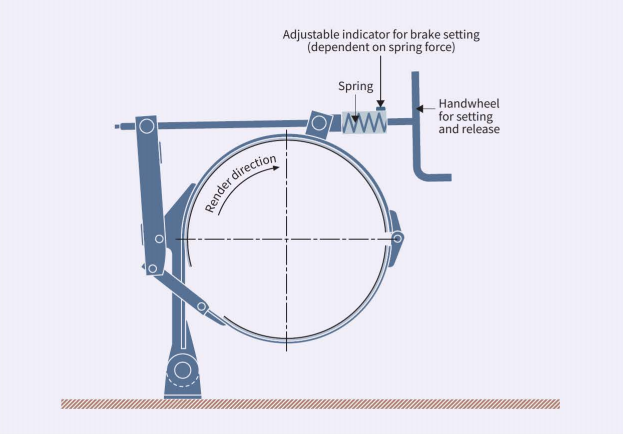
A winch brake works by applying force to the drum or gear system. This force slows down or stops the drum from turning. It uses friction or mechanical locking to hold the load.
When the winch pulls a load, the brake stays loose. Once the motor stops, the brake tightens automatically. This action keeps the load from moving backward or dropping.
Types Of Winch Brakes
There are several types of winch brakes. The most common are mechanical, hydraulic, and electric brakes.
Mechanical brakes use friction pads or discs to stop movement. Hydraulic brakes use fluid pressure to apply force. Electric brakes use a motor or electromagnet to control the drum.
Each type suits different winching needs. The choice depends on load size, control level, and environment.

Credit: www.ozliftingproducts.com
Safety Benefits
Winch brakes play a vital role in safety during lifting and pulling tasks. They prevent accidents by controlling the movement of heavy loads. The brake helps avoid sudden drops and uncontrolled motions. This keeps workers and equipment safe.
Preventing Load Slippage
The brake stops the load from slipping back. Without it, heavy items could fall suddenly. This can cause damage or injury. The brake holds the load firmly in place. This ensures steady and secure lifting or pulling.
Controlling Descent Speed
The brake controls how fast the load moves down. A slow and steady descent avoids shocks to the system. It reduces the risk of accidents from fast drops. The brake keeps the speed safe and manageable. This protects both the load and the operators.
Common Applications
Winch brakes play an important role in many tasks. They help control and hold loads safely. This section explores common uses of winch brakes in different fields.
Industrial Uses
In factories and construction sites, winch brakes hold heavy equipment in place. They stop loads from falling or slipping. This helps keep workers safe. Winch brakes also control the speed of lifting machines. They prevent accidents during material handling. Many machines like cranes and hoists rely on winch brakes.
Off-road And Recreational Uses
Winch brakes are common in off-road vehicles. They help pull stuck vehicles out of mud or snow. The brakes hold the cable tight and prevent it from unwinding. This makes rescue easier and safer. People use winches on boats and trailers too. Winch brakes keep gear and cargo secure during transport.
Credit: en.hiseamarine.com
Maintenance Tips
Maintaining a winch brake keeps it working safely and well. Regular care helps avoid problems and costly repairs. Simple checks and cleaning extend the brake’s life and improve its performance.
Regular Inspection
Check the winch brake often to catch issues early. Look for dirt, rust, or damage on the brake parts. Tighten any loose bolts or screws. Make sure the brake moves smoothly without sticking. Clean the brake area to prevent dust build-up. Regular inspection helps keep the winch ready for use.
Signs Of Wear And Tear
Watch for signs that the winch brake needs repair. Listen for strange noises when the brake is working. Feel for slipping or less grip during operation. Look for worn or cracked brake pads. Rust or corrosion can weaken brake parts. Spotting these signs early avoids bigger problems later.
Choosing The Right Winch Brake
Choosing the right winch brake is important for safety and performance. The brake holds the load in place and stops the winch from moving when needed. Picking the proper brake ensures the winch works well and lasts longer. Two key factors to consider are the load capacity and the environment where the winch will be used.
Matching Load Capacity
Check the weight the winch will handle. The brake must support this weight without slipping. Using a brake with too low capacity can cause accidents. Always select a brake rated higher than the maximum load. This adds a safety margin and prevents brake failure.
Considering Environmental Conditions
Think about where the winch will operate. Dust, water, and temperature affect brake performance. Some brakes resist rust and dirt better than others. Wet or muddy areas need brakes that can handle moisture. Hot climates may require brakes that do not overheat easily. Choose a brake made for your specific conditions to keep it reliable.
Frequently Asked Questions
What Is The Main Function Of A Winch Brake?
A winch brake controls the winch drum’s rotation and holds the load securely. It prevents accidental unwinding during lifting or pulling tasks. This safety feature ensures stable operation and protects both the equipment and the user from potential harm.
How Does A Winch Brake Improve Safety?
Winch brakes stop the load from slipping back unexpectedly. This prevents accidents and damage during load handling. By maintaining control over the winch drum, the brake reduces the risk of injury and equipment failure in heavy-duty operations.
Why Is A Winch Brake Essential For Heavy Loads?
Heavy loads require a winch brake to maintain stability. The brake holds the load firmly, preventing it from falling or shifting. This ensures precise control, especially in construction, towing, or rescue applications, enhancing overall operational safety.
Can A Winch Operate Without A Brake?
While some winches can run without a brake, it is unsafe for heavy loads. A brake is crucial to hold the load in place and prevent accidents. Operating without a brake risks uncontrolled load movement and equipment damage.
Conclusion
A winch brake keeps the load secure and stops it from slipping. It helps control heavy weights safely and prevents accidents. Using a winch brake means you can trust the winch to hold steady. This simple part plays a big role in making winches safe and reliable.
Knowing its purpose helps you use winches smarter and safer every time.

