When it comes to lifting or pulling heavy loads, choosing the right tool can make all the difference. You might have heard about winches and capstans, but which one is truly the best fit for your needs?
Understanding the key differences between a winch and a capstan can save you time, effort, and even money. You’ll discover how each device works, their unique benefits, and which one suits your specific tasks. Keep reading to find out how to make the smartest choice for your project.
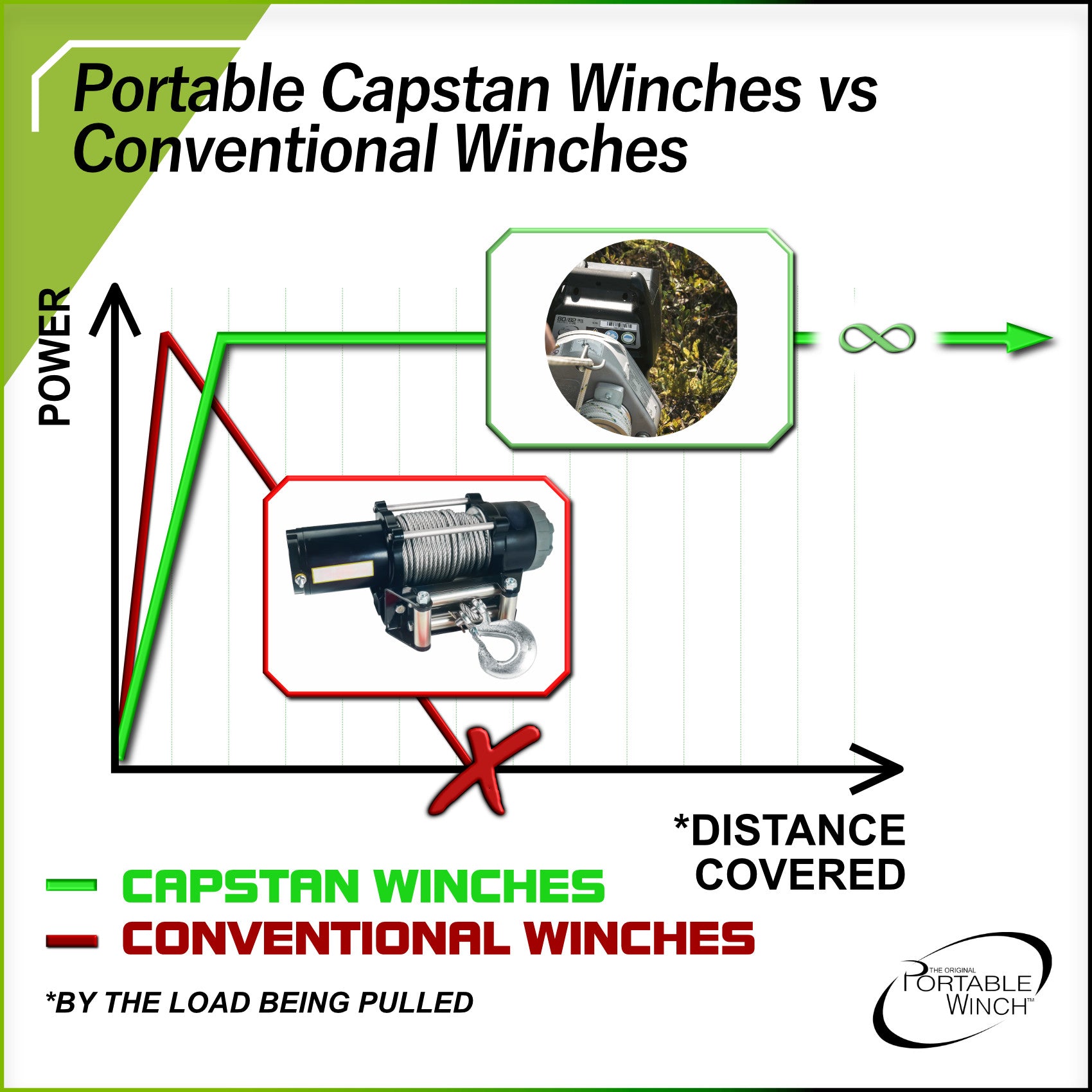
Credit: www.portablewinch.com
Winch Basics
A winch is a mechanical device used to pull or lift heavy loads. It uses a rope or cable wound around a drum. Turning the drum moves the rope, creating force to move objects.
Winches are common in many industries and outdoor activities. They help move things that are too heavy for people to handle alone.
Types Of Winches
There are several types of winches. Manual winches require hand power to turn the drum. Electric winches use motors for easier operation. Hydraulic winches run on fluid pressure and are very strong. Each type suits different needs and environments.
Common Uses
Winches are used in many fields. Off-road vehicles use winches to get unstuck from mud or sand. Boats use winches to pull anchors or load cargo. Construction sites use winches to lift materials. Emergency services use winches for rescue operations.
Key Features
Winches have several important features. The drum size affects how much rope it can hold. The pulling power, or capacity, shows how heavy a load it can move. Some winches include brakes to hold the load in place. Controls can be manual or remote for safety.
Capstan Basics
A capstan is a simple machine used to pull ropes or cables. It helps move heavy loads with less effort. This device is common on ships and in construction. Understanding capstan basics helps in choosing the right tool for your needs.
Capstans work by wrapping a rope around a drum. Turning the drum pulls the rope and moves the load. This setup provides strong grip and control. It is effective for lifting, towing, or anchoring tasks.
Types Of Capstans
There are two main types of capstans: manual and powered. Manual capstans use hand force to turn the drum. Powered capstans use electric or hydraulic motors. The choice depends on the load size and work speed.
Common Uses
Capstans are common on ships for mooring and anchoring. They help pull heavy ropes easily. Construction sites use capstans to lift building materials. They also work in logging to drag logs. These tools suit any job needing strong pulling power.
Key Features
Capstans have a rotating drum to wrap the rope around. A strong frame supports the drum and motor. Many capstans include braking systems for safety. Portability varies from small hand-held models to large fixed machines. Their simple design makes them reliable and easy to maintain.
Performance Comparison
Comparing the performance of winches and capstans helps choose the right tool. Both have strengths and weaknesses. Understanding power, speed, control, durability, and maintenance is essential. This comparison focuses on these key factors.
Power And Efficiency
Winches deliver strong pulling power with high torque. They handle heavy loads well. Capstans use friction to pull, which can be less powerful. Winches often work better for tough jobs. Capstans are efficient with lighter loads. They consume less energy during operation.
Speed And Control
Winches provide steady speed and precise control. Operators can adjust the pulling rate easily. This helps avoid sudden jerks or damage. Capstans offer smooth, continuous pulling. Speed control depends on the operator’s skill. Capstans excel in applications needing gentle handling.
Durability And Maintenance
Winches have complex parts that require regular care. Gears and motors need inspection and lubrication. Capstans have fewer moving parts, making them easier to maintain. They resist wear better in harsh environments. Both tools need proper upkeep to last long.
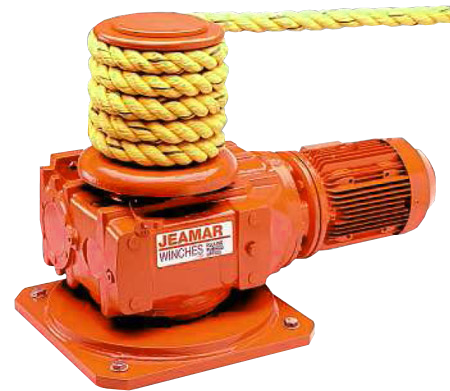
Credit: www.jeamar.com
Safety Considerations
Safety is the top priority when using winches or capstans. Both tools can be powerful and dangerous if not handled correctly. Understanding safety factors helps prevent accidents and injuries. This section covers key points to keep in mind while operating these machines.
Risk Factors
Winches and capstans apply strong force. This force can cause rope snaps or equipment failure. People nearby risk serious injury from flying debris. Overloading the equipment causes it to break. Poor maintenance leads to unexpected malfunctions. Loose clothing or jewelry can get caught. Lack of training increases chances of accidents. Always respect the power of these tools.
Proper Usage Tips
Use the right rope for the winch or capstan. Check the rope for wear before starting. Never exceed the maximum load capacity. Keep hands and body parts away from moving parts. Stand clear of the rope’s path. Engage the brake properly to control tension. Follow the manufacturer’s instructions carefully. Train all operators on safe handling methods. Regularly inspect the equipment for damage.
Safety Gear Recommendations
Wear gloves to protect your hands from rope burns. Safety glasses shield eyes from debris and snaps. Hard hats prevent head injuries in busy work areas. Steel-toed boots protect feet from heavy falling objects. High-visibility vests improve visibility near machinery. Use hearing protection if noise levels are high. Always choose gear that fits well and is in good condition. Proper gear reduces injury risk significantly.
Cost And Value
Choosing between a winch and a capstan involves more than just features. Cost and value play a big role in decision-making. Understanding expenses helps decide which tool fits your budget and needs.
Initial Investment
Winches usually cost more upfront than capstans. They have complex parts and strong motors. Capstans are simpler and less costly at the start. The price difference depends on size and power. Small winches and capstans can be closer in price.
Operating Costs
Winches often need more energy to run. This can increase electricity or fuel bills. They might need regular maintenance for parts like gears and brakes. Capstans use less power and have fewer parts. This lowers their running costs and maintenance needs.
Long-term Value
Winches last long if well maintained. They handle heavy loads and tough jobs. This adds value over many years. Capstans offer good value for lighter, frequent tasks. They are easier to repair and replace parts. Your choice depends on how you plan to use the tool.
Choosing The Right Tool
Choosing the right tool between a winch and a capstan affects your work’s ease and safety. Both tools serve to pull or lift heavy loads, but their designs fit different tasks. Picking the right one depends on what you need and where you work.
Understanding your needs and the environment helps make the best choice. Expert advice can guide you to the safest, most efficient option.
Assessing Your Needs
Think about the weight and size of the load you will move. Winches work well for heavy loads that need steady pulling. Capstans suit lighter or variable loads and allow more control. Consider how often you will use the tool and the type of task. This helps decide which tool will last and perform best.
Environmental Factors
Work surroundings affect tool choice. Winches can handle tough outdoor conditions and rough surfaces. Capstans perform better in cleaner, controlled areas. Check for space limits since capstans are smaller and easier to fit. Weather and ground type also influence durability and safety.
Expert Advice
Consulting professionals saves time and money. Experts can match tools to your task needs and environment. They share tips on maintenance and safety. Getting advice reduces risks and ensures you use the right tool for the job.
Maintenance Tips
Proper maintenance keeps your winch or capstan working well and safe. Regular care prevents breakdowns and extends equipment life. Simple steps can save you time and money.
Routine Checks
Inspect cables and ropes for frays or damage. Check the drum and gears for wear or rust. Test the brakes and controls to ensure smooth operation. Clean the equipment after use to remove dirt and salt. Lubricate moving parts with suitable oil or grease.
Troubleshooting Common Issues
If the winch or capstan won’t move, check the power supply or manual controls. Listen for unusual noises that may signal worn gears or bearings. Tighten loose bolts and screws. Replace damaged cables immediately. Consult the user manual for specific error codes or signals.
Storage Best Practices
Store your winch or capstan in a dry, cool place. Cover it with a cloth or plastic to keep dust away. Avoid leaving it outdoors for long periods. Coil cables neatly to prevent kinks. Keep the unit away from chemicals and harsh weather conditions.
Case Studies
Case studies help us see how winches and capstans work in real life. They show strengths and limits of each tool. These examples come from different jobs, like construction and boating. They help users choose the right equipment for their needs.
Studying actual use cases gives clear insights. It helps avoid mistakes and saves time. Let’s look at some real-world stories where winches and capstans made a difference.
Winch In Action
A construction site used a winch to lift heavy steel beams. The winch pulled the beams steadily and safely. Workers controlled the speed and direction easily. The winch handled the heavy load without any trouble.
This job needed power and precision. The winch’s strong motor made it possible. It worked well on uneven ground and tight spaces. The team finished the lift quickly, saving hours of work.
Capstan In Action
A fishing boat used a capstan to pull in large nets. The capstan spun smoothly and kept the net steady. It allowed one person to control the whole process. The boat moved safely without sudden jerks.
The capstan’s simple design made it easy to fix on board. It used less space and was lighter than a winch. The crew liked the smooth pull and quick release. This helped catch fish faster and safer.
Lessons Learned
Winches are best for heavy, steady lifting on land. They need more space but give more power. Capstans work well for pulling and holding loads on boats. They are lighter and easier to handle.
Choosing the right tool depends on the job type and environment. Safety and control should always be a priority. These case studies prove that understanding each tool’s use helps avoid problems.
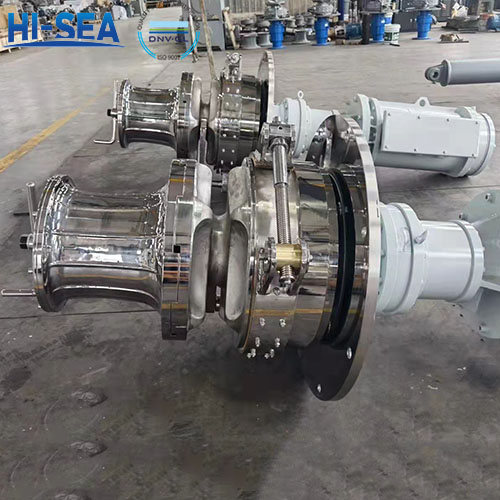
Credit: en.hiseamarine.com
Frequently Asked Questions
What Is The Main Difference Between Winch And Capstan?
A winch uses a drum to pull heavy loads, while a capstan uses a vertical drum for continuous pulling. Winches are better for controlled, heavy lifting. Capstans excel in tasks needing constant tension, such as mooring lines on ships.
Which Device Is Safer For Heavy Load Lifting, Winch Or Capstan?
Winches are generally safer for heavy load lifting due to their enclosed drum and braking systems. Capstans offer less control over load tension, making them better for lighter, continuous pulling tasks rather than heavy lifting.
Can A Capstan Replace A Winch In Industrial Applications?
Capstans can replace winches in specific applications requiring continuous line movement. However, winches are preferred for precise load control and heavy lifting. The choice depends on the task’s nature and required control level.
How Does The Operation Speed Differ Between Winch And Capstan?
Winches operate at slower speeds for controlled lifting, while capstans work faster for continuous pulling. Speed depends on mechanical design and application, with capstans offering quicker line movement but less precision.
Conclusion
Choosing between a winch and a capstan depends on your needs. Winches offer strong pulling power and control. Capstans are simple, easy to use, and ideal for lighter tasks. Both tools help move heavy loads but work in different ways.
Think about the job size, space, and power source before deciding. Using the right tool makes work safer and faster. Each has its own benefits, so pick what fits your situation best. Understanding these differences helps you make the best choice every time.
![Read more about the article How to Install a Winch [Ultimate Step by Step Guide]](https://autopartsguideline.com/wp-content/uploads/2021/10/how-to-install-a-winch-1-300x197.webp)

