Have you ever wondered how winches pull heavy loads with such ease? Whether you’re moving a stuck vehicle, lifting equipment, or handling tough jobs, understanding how winches work can make a big difference.
This simple yet powerful tool uses basic mechanics to multiply your strength, letting you do the heavy lifting without breaking a sweat. Keep reading, and you’ll discover the secrets behind winches, how they operate, and why they’re essential for anyone who needs reliable pulling power.
Knowing this could save you time, effort, and even money on your next project.
Basic Components
Winches have a few main parts. These parts work together to pull or lift heavy loads. Understanding these parts helps you see how winches work. Each component plays a key role in the machine’s function.
Drum And Cable
The drum is a round cylinder that holds the cable. The cable wraps around the drum tightly. As the drum turns, it pulls the cable in or lets it out. The cable is usually made of steel or strong synthetic fiber. It must be strong to handle heavy loads.
Gear System
The gear system controls the power going to the drum. It changes the motor’s speed and torque. Gears help the winch pull heavy objects slowly and steadily. They also protect the motor from damage by controlling the load force.
Motor Types
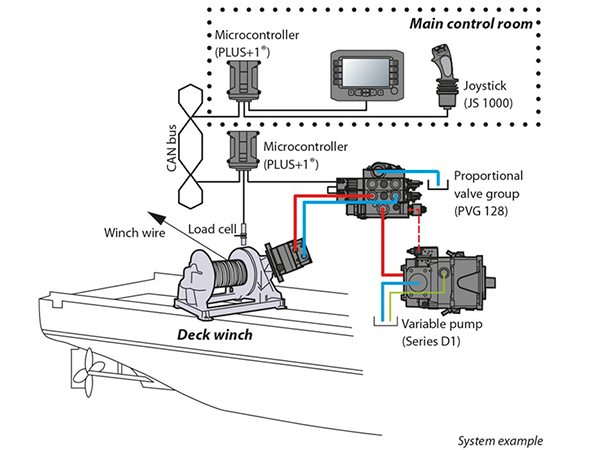
Winches use different motors to power the drum. Electric motors are common and run on batteries or power sources. Hydraulic motors use fluid pressure and are strong for heavy work. Some winches use gasoline engines for high power and mobility.
Credit: as-scan.com
Mechanical Advantage
Mechanical advantage helps winches move heavy loads with less effort. It allows a small force to control a much larger weight. This principle makes winches essential tools in many fields.
Winches use mechanical parts to increase the force applied. Understanding how this works helps users operate winches safely and effectively.
Gear Ratios
Gear ratios determine how much the winch multiplies the input force. A higher gear ratio means more turns of the handle are needed. But each turn moves the load a smaller distance. This trade-off allows easier control of heavy objects.
For example, a gear ratio of 100:1 means the handle turns 100 times for one full drum rotation. The load moves slowly but with much less effort. This setup prevents the handle from spinning too fast or too hard.
Torque Amplification
Torque is the twisting force that turns the winch drum. Mechanical advantage increases torque by using gears and levers. This amplification lets users lift or pull heavy loads smoothly.
By increasing torque, winches reduce the physical strain on the operator. It also improves precision when moving large or dangerous objects. Torque amplification is key to the winch’s power and control.
Power Sources
Winches use different power sources to pull or lift heavy loads. The power source affects how fast and strong the winch works. Choosing the right power source depends on the task and environment. Below are the common types of power sources used in winches.
Electric Winches
Electric winches run on electricity, usually from a battery. They are easy to use and require little effort. Electric winches work well for light to medium loads. They are common in vehicles and small workshops. These winches operate quietly and need less maintenance. The main limit is the battery life and power supply.
Hydraulic Winches
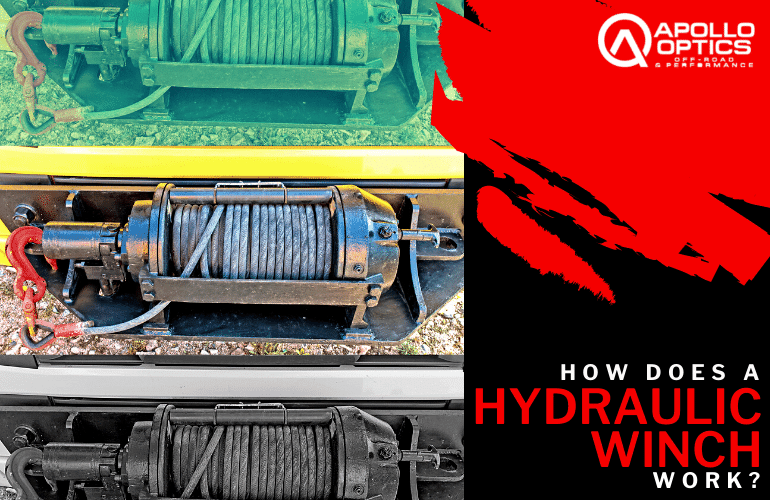
Hydraulic winches use fluid pressure to create strong pulling force. They connect to hydraulic systems, often found in heavy machinery. These winches handle heavy loads and work continuously without overheating. They are reliable in tough conditions like construction sites. Hydraulic winches need a power source like an engine to run the pump. They are more complex but very powerful.
Manual Winches
Manual winches operate by hand, using a crank or lever. They need physical effort but no external power. Manual winches are simple, cheap, and easy to repair. They are suitable for light loads and occasional use. These winches work well in remote areas without electricity or fuel. The speed and force depend on the user’s strength.

Credit: gebuwin.com
Control Mechanisms
Winches need strong control mechanisms for safe and easy operation. These controls help the user manage the winch’s power and speed. They also stop the winch quickly when needed. Understanding these parts helps users work better and safer.
Remote Controls
Remote controls let users operate the winch from a distance. This keeps them safe from the load or moving parts. Most remotes use wireless signals or cords to send commands. They usually have simple buttons to pull in or let out the cable. Some remotes also show the winch’s status. This makes it easier to control the winch in tricky spots.
Braking Systems
Braking systems stop the winch drum from spinning. They hold the load in place when the winch is not running. Many winches use mechanical brakes that clamp the drum tightly. Some models have automatic brakes that engage when power stops. These brakes help prevent accidents and load slippage. A good brake system is vital for safety and control.
Applications In Industry
Winches play a vital role in many industries. They help move heavy loads with less effort. Their strength and reliability make them essential tools in tough work environments.
Winches come in different sizes and power levels. This variety lets them fit many tasks. Here are some key industries where winches are widely used.
Construction
Winches are common on construction sites. They lift and pull heavy materials like steel beams and concrete blocks. Workers use winches to move loads safely and quickly. They help position large items where cranes cannot reach. Winches also assist in pulling equipment up steep slopes.
Marine Use
On ships and docks, winches control anchors and cargo. They handle heavy chains and ropes with ease. Winches help secure boats and lift supplies. Their durability suits harsh marine conditions. Sailors rely on winches for smooth and safe operations.
Off-road Recovery
Off-road vehicles use winches to get unstuck. Mud, sand, and rocks often trap vehicles. A winch pulls the vehicle free using a strong cable. It provides power where tires fail. This tool is a must for off-road adventures and rescue missions.
Safety Features
Winches have built-in safety features to prevent accidents and damage. These features protect both the user and the equipment. Safety is a top priority in winch design. Understanding these features helps users operate winches safely and confidently.
Overload Protection
Overload protection stops the winch from pulling too much weight. It prevents the motor and cable from breaking. This feature senses when the load is too heavy. The winch then stops automatically. Overload protection helps avoid costly repairs and injuries.
Emergency Stop
The emergency stop allows quick shutdown of the winch. It works instantly to stop all movement. This feature is crucial during unexpected problems. Users can press the stop button to avoid accidents. Emergency stop adds an important layer of safety in winch operation.
Maintenance Tips
Proper maintenance keeps your winch working smoothly and safely. Regular care prevents breakdowns and extends the tool’s life. Simple steps help avoid costly repairs and ensure reliable performance every time you use it.
Lubrication
Lubricate moving parts regularly to reduce friction. Use the right type of oil or grease as recommended by the manufacturer. Avoid over-lubricating, which can attract dirt and dust. Keep the cable or rope clean and lightly oiled to prevent rust. Lubrication helps the winch run quietly and efficiently.
Inspection Routines
Check the winch before each use for any damage or wear. Look for frayed cables, loose bolts, or cracked parts. Test the brakes and clutch to make sure they work properly. Replace worn or damaged components immediately. Regular inspections catch problems early and keep the winch safe to operate.
Credit: apollooffroad.com
Frequently Asked Questions
What Is The Main Purpose Of A Winch?
A winch is designed to pull or lift heavy loads. It uses a spool and cable system to provide mechanical advantage. Winches are commonly used in vehicles, construction, and marine applications for moving objects safely and efficiently.
How Does A Winch Generate Mechanical Advantage?
A winch uses a motor or manual crank to rotate a drum. The cable wound around the drum pulls the load. This setup multiplies the force applied, making it easier to move heavy objects with less effort.
What Types Of Winches Are Commonly Used?
The most common types are electric, hydraulic, and manual winches. Electric winches use motors powered by batteries. Hydraulic winches rely on fluid pressure. Manual winches require human power to operate the crank.
Can Winches Be Used For Lifting Vertically?
Yes, winches can lift loads vertically if designed for it. They must have appropriate braking systems to hold the load securely. Proper installation and safety measures are essential for vertical lifting applications.
Conclusion
Winches use simple machines to pull or lift heavy loads with less effort. They work by winding a cable or rope around a drum. A motor or hand crank turns the drum to move the load. This makes tasks easier and safer.
Knowing how winches work helps you choose the right one for your needs. Whether for work or play, winches offer strong, reliable support. Understanding their basics can save time and prevent accidents. A winch is a useful tool for many jobs.
![Read more about the article Understanding Winch Amperage [Everything You Need To Know]](https://autopartsguideline.com/wp-content/uploads/2021/10/understanding-winch-amperage-300x190.webp)
![Read more about the article How to Mount a Winch on a Truck [Absolute Step by Step Guide]](https://autopartsguideline.com/wp-content/uploads/2021/10/how-to-mount-a-winch-on-a-truck-300x190.webp)
