
Are you ready to take control of your off-road adventures or tackle tough recovery situations? Knowing exactly where to mount your winch can make all the difference between a smooth rescue and a frustrating struggle.
You might think it’s just about finding a spot on your vehicle, but the right mounting location affects safety, performance, and ease of use. You’ll discover the best places to mount your winch, so you can be confident every time you hook up and pull.
Keep reading to learn how to set up your winch for maximum power and reliability.
Credit: www.partsvia.com
Choosing The Right Winch Location
Choosing the right winch location is important for safe and effective use. The spot you pick affects how well the winch works and how your vehicle handles. Think about your needs and vehicle type before deciding.
Mounting a winch in the right place helps with pulling power and keeps the vehicle balanced. It also makes using the winch easier and safer during recovery tasks.
Front Vs Rear Mounting
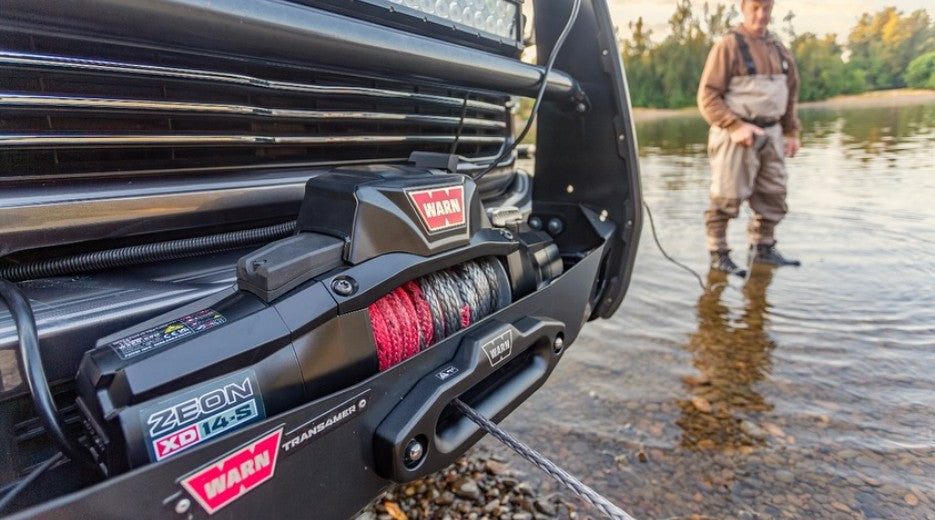
Mounting a winch at the front is common for most vehicles. It gives direct access to obstacles in front. This helps when pulling the vehicle out of mud or snow.
A rear-mounted winch is less common but useful for certain situations. It can help pull the vehicle backward or assist others behind you. Rear mounting also protects the winch from front impacts.
Considerations For Vehicle Type
Different vehicles need different winch placements. Trucks often have enough space at the front for a winch. Smaller cars may need custom brackets or mounts.
Off-road vehicles benefit most from front mounting. Their design supports heavy winches and easy access. Heavy-duty vehicles may require reinforced mounts to handle the winch’s weight.
Impact On Vehicle Balance
Placing a winch changes your vehicle’s weight distribution. Front-mounted winches add weight to the front axle. This can affect steering and suspension.
Rear-mounted winches shift weight toward the back. This may improve traction in some cases. Proper mounting and weight balance help maintain safe driving and control.

Credit: www.youtube.com
Essential Mounting Points On Vehicles
Choosing the right place to mount a winch is key for safety and performance. Different vehicles offer several strong spots to hold a winch firmly. These spots must handle heavy loads and rough use. Knowing the best mounting points helps you pick the safest and most effective place for your winch.
Using The Bumper
The bumper is a common place to mount a winch. Many bumpers are strong enough to hold the winch’s weight and force. Some bumpers come with built-in mounts designed for winches. This makes installation easier and more secure. Make sure the bumper is made of steel or reinforced metal. Plastic bumpers usually are not strong enough to hold a winch safely.
Frame Mounting Options
The vehicle’s frame is the strongest part to mount a winch. The frame runs underneath and supports the entire vehicle. Mounting a winch directly to the frame offers solid strength and stability. It can handle the heavy pulling force better than other parts. Using the frame might require drilling or welding. This option is best for serious off-road use or heavy-duty towing.
Winch Mounting Plates
Winch mounting plates provide a custom base for your winch. These plates bolt onto the bumper or frame. They spread the load evenly and add extra support. Mounting plates are often made of thick steel to hold up under pressure. Using a mounting plate can make installation faster and safer. Plates also help keep the winch steady during tough pulls.
Tools And Equipment Needed
Mounting a winch requires the right tools and equipment to make the job easier and safer. Using proper tools ensures the winch fits securely and works well. It also helps avoid damage to your vehicle or winch during installation.
Prepare all necessary items before you start. This saves time and keeps the process smooth. Here is a list of what you need to gather for mounting a winch.
Basic Tools List
- Socket wrench set for tightening bolts
- Screwdrivers for small adjustments
- Drill with drill bits for making holes
- Measuring tape to check fit and placement
- Adjustable wrench for securing nuts
- Hammer for minor adjustments
- Level to keep the winch even
Safety Gear
- Safety gloves to protect your hands
- Eye protection to guard against flying debris
- Work boots to protect your feet
- Long sleeves to avoid scratches
- Hearing protection if using loud tools
Specialized Winch Accessories
- Winch mounting plate or bumper bracket
- Fairlead to guide the winch cable
- Winch controller or remote
- Heavy-duty bolts and washers
- Electrical wiring kit for power connection
- Hook and strap for pulling tasks
Step-by-step Winch Installation
Installing a winch correctly is important for safety and performance. This step-by-step guide helps you mount your winch with ease. Follow each step carefully to ensure a solid and reliable setup. The process involves preparing the area, securing the winch, and making electrical connections.
Preparing The Mounting Area
Start by choosing a strong, flat surface on your vehicle. Clean the area to remove dirt and rust. Check the mounting plate or bumper for any damage. Use a metal file to smooth sharp edges if needed. Align the winch mounting holes with the mounting plate. Mark the drilling spots clearly.
Securing The Winch
Drill holes in the marked spots using the correct drill bit size. Place the winch on the mounting plate. Insert bolts through the winch and mounting holes. Tighten nuts firmly with a wrench to avoid movement. Use lock washers to keep bolts secure. Double-check all fasteners before moving on.
Wiring And Electrical Connections
Disconnect the vehicle battery before wiring the winch. Connect the winch power cables to the battery terminals. Use cable connectors and cover exposed wires with electrical tape. Attach the winch ground wire to a clean metal surface. Route cables away from hot or moving parts. Reconnect the battery and test the winch operation.
Safety Tips For Winch Installation
Installing a winch can be tricky and even risky without proper safety steps. A secure winch keeps you safe during tough pulls and prevents damage. Follow clear safety tips to install your winch the right way. These steps protect you and your vehicle while making sure the winch works well.
Avoiding Common Mistakes
Choose a strong mounting spot that can handle the winch’s pull force. Avoid weak or rusted areas on the frame. Use the correct bolts and tighten them firmly. Do not skip the mounting plate if your vehicle needs one. Keep the winch cable straight and free from sharp bends. Wrong setup can cause the winch to fail or the cable to snap.
Testing The Winch
Test the winch after installation but before heavy use. Connect the power and slowly pull a light load. Listen for strange sounds or check if the cable moves smoothly. Stop immediately if the winch jams or the motor overheats. Testing helps spot problems early and avoid accidents later.
Maintenance And Inspection
Check the winch regularly for damage or loose parts. Clean the cable and remove dirt or rust. Lubricate the moving parts to keep them working well. Inspect electrical connections for corrosion or wear. Fix small issues quickly to prevent bigger problems on the trail.
Credit: neighborstrailer.com
Custom Mounting Solutions
Custom mounting solutions offer flexibility for winch installation. They help fit winches on various vehicles and setups. These solutions adapt to space limits and vehicle design. They ensure the winch works safely and effectively.
Off-road Vehicle Modifications
Off-road vehicles often need strong, durable winch mounts. Custom mounts can fit bumpers, frames, or skid plates. They keep the winch secure during rough rides. Custom mounts also allow for easier access to the winch line.
These mounts use heavy-duty materials for strength. They resist damage from rocks, mud, and impacts. Custom mounts can match the vehicle’s style and size.
Winch Mounting On Trailers
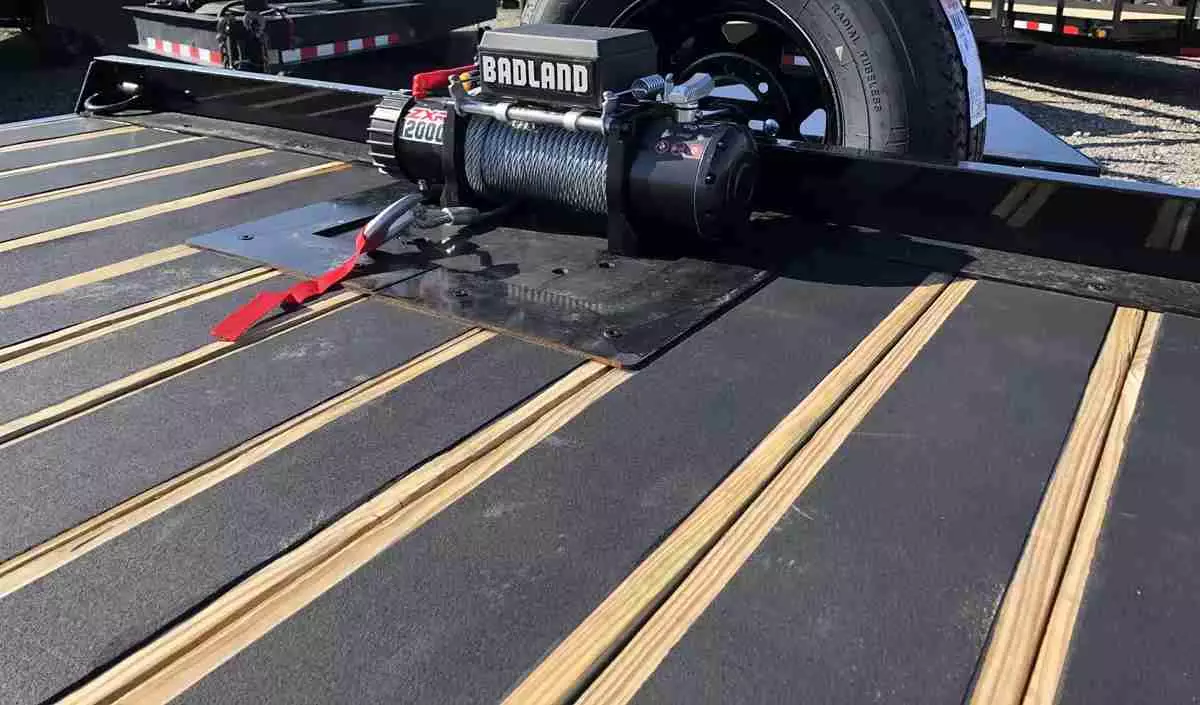
Trailers may need winches for loading or recovery tasks. Custom mounts help place winches on trailer frames or tongue bars. This positioning keeps the winch stable during use and travel.
Mounts can be designed to fit different trailer shapes. They protect the winch from dirt and weather. Custom mounts also make it simple to operate the winch safely.
Alternative Mounting Locations
Winches can go beyond typical front bumper mounts. Custom mounts allow placement on roof racks, rear bumpers, or inside beds. These spots suit certain vehicle types and uses.
Mounting in alternative locations can free up space. It may also improve winch line angles for specific tasks. Proper design ensures the winch stays firmly in place.
Frequently Asked Questions
Where Is The Best Place To Mount A Winch On A Vehicle?
The best place to mount a winch is the front bumper or a dedicated winch mount. This provides stability and easy access for recovery. Ensure the mounting point is strong enough to handle the winch’s pulling force.
Can You Mount A Winch On The Rear Of A Vehicle?
Yes, you can mount a winch on the rear of a vehicle. Rear mounting is useful for recovery situations where you need to pull from behind. Use a sturdy rear bumper or frame-mounted winch plate for safety.
What Factors Affect Winch Mounting Location Choice?
Factors include vehicle type, winch size, bumper strength, and intended use. Front mounting is most common, but rear or underbody mounts are options. Accessibility and structural integrity are key to effective winch mounting.
Is Professional Installation Necessary For Mounting A Winch?
Professional installation is recommended for safety and performance. Winch mounting involves electrical wiring and secure attachment to the frame. Improper installation can damage your vehicle or cause winch failure.
Conclusion
Mounting a winch correctly keeps you safe and ready for challenges. Choose a strong, stable spot on your vehicle’s frame. Make sure the winch is easy to reach and use. Check your mounting points often for wear or damage. A well-mounted winch works better and lasts longer.
Take time to install it right. This helps you pull heavy loads without trouble. Remember, the right spot makes all the difference. Stay prepared and confident on every adventure.


