
Imagine you’re in the middle of a project, and suddenly your hoist just stops working. Frustrating, right?
You might feel stuck, unsure of what to do next. But don’t worry—this doesn’t have to ruin your day. Knowing the right steps to take can save you time, money, and stress. You’ll discover simple, effective solutions to get your hoist back up and running quickly.
Keep reading to find out exactly what to do if your hoist stops working, so you can stay on track and avoid unnecessary delays.

Credit: news.macraesbluebook.com
Common Hoist Problems
Hoists are essential tools for lifting heavy loads safely. Problems with hoists can stop work and cause delays. Knowing common hoist problems helps you act quickly and safely. These issues often involve power, mechanics, controls, or safety systems. Understanding these can help you spot problems early and reduce downtime.
Each type of problem has its signs. Recognizing these signs lets you fix the hoist or call for help. Here are some common hoist problems and what causes them.
Power Supply Issues
Power problems are a leading cause of hoist failure. The hoist might not start or may stop suddenly. Check the power source first. Loose connections, blown fuses, or tripped breakers often cause these issues. Inspect cables and plugs for damage. A steady power supply is vital for smooth operation.
Mechanical Failures
Mechanical parts wear out over time. Gears, chains, and brakes can break or jam. Look for unusual noises or slow movements. Lack of lubrication causes parts to seize. Regular maintenance reduces mechanical failures. Always check moving parts for wear and tear.
Control System Malfunctions
The control system directs the hoist’s movements. Faulty switches or damaged buttons cause control problems. Sometimes the remote control loses connection. Electrical faults inside the control panel also affect operation. Test all controls for proper response. Fixing control issues needs careful inspection.
Overload And Safety Triggers
Hoists have safety features to prevent overload. If the load is too heavy, the hoist may stop working. Sensors detect overload and trigger safety stops. Check the load weight before lifting. Safety triggers protect both the hoist and workers. Reset the system only after reducing the load.
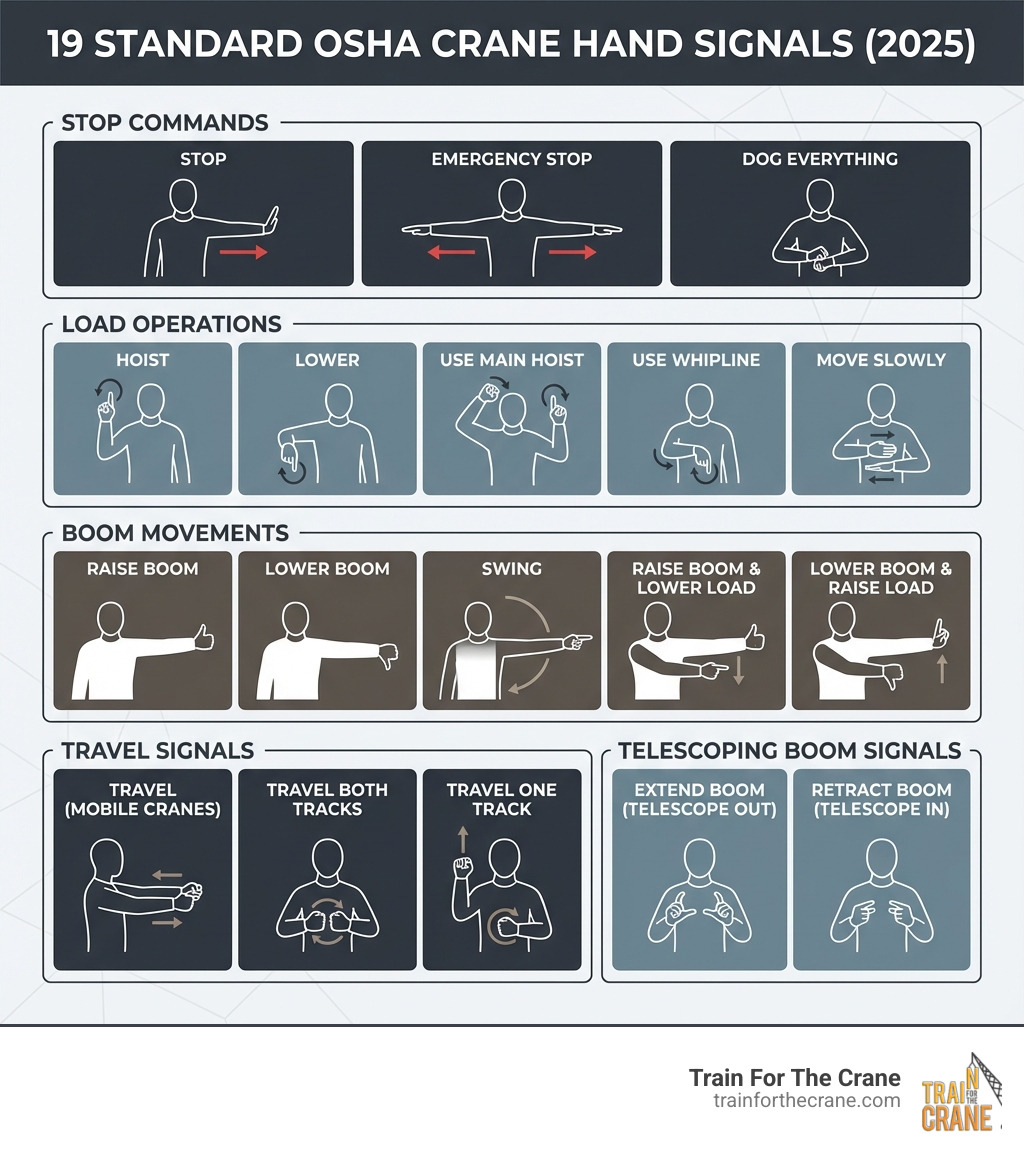
Credit: trainforthecrane.com
Initial Troubleshooting Steps
When a hoist stops working, quick action can save time and prevent damage. Start with basic checks before calling for help. These initial steps often solve common problems.
Checking Power Connections
Ensure the hoist is plugged in properly. Look for loose wires or damaged cables. Check the power source for any outages or tripped breakers. A simple power issue can stop the hoist from working.
Inspecting The Control Panel
Look closely at the control panel. Make sure all buttons and switches are in the correct position. Check for any error lights or messages. Dirt or moisture may cause the controls to fail.
Examining The Load And Capacity
Confirm the hoist is not overloaded. Check the weight of the load against the hoist’s capacity. Overloading can trigger safety features that stop the hoist. Remove excess weight if needed.
Resetting Safety Devices
Locate safety devices like limit switches or emergency stops. Reset these devices according to the manual. Sometimes safety features stop the hoist to prevent accidents. Resetting may restore normal operation.
Quick Fixes For Hoist Failures
Hoist failures can stop work and cause delays. Quick fixes often solve common problems fast. These simple steps help get your hoist working again without waiting for a technician. Knowing what to check saves time and effort.
Replacing Blown Fuses
Blown fuses stop power from reaching the hoist. Check the fuse box for any burnt or broken fuses. Replace them with the same type and rating. Always turn off the power before replacing fuses. This quick step often restores power and gets the hoist moving again.
Lubricating Moving Parts
Dry or rusty parts can cause the hoist to jam or slow down. Apply proper lubricant to gears, chains, and pulleys. Regular lubrication reduces friction and wear. It keeps the hoist running smoothly and extends its life. Use the recommended lubricant type from the manual.
Adjusting Limit Switches
Limit switches stop the hoist at set points. If they are out of alignment, the hoist may stop unexpectedly. Check the limit switch position and adjust it carefully. Follow the manufacturer’s instructions for correct settings. Proper adjustment prevents sudden stops and improves safety.
Clearing Obstructions
Objects blocking the hoist path can cause it to stop. Inspect the area around the hoist and clear any debris or tools. Check the rope or chain for knots or tangles. Remove all obstacles to ensure free movement. A clear path helps the hoist function without interruptions.
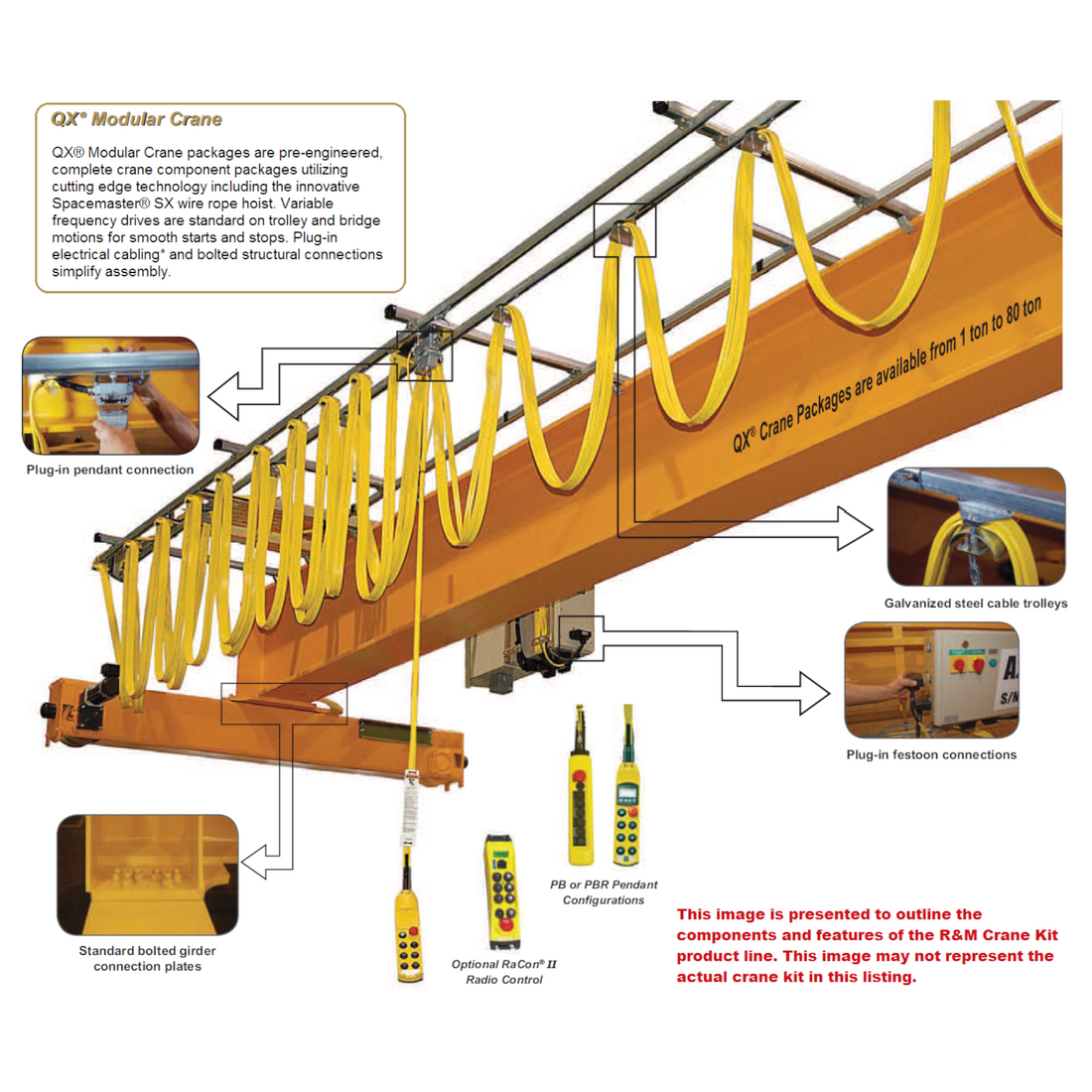
Credit: shop.bohlco.com
When To Call A Professional
Knowing when to call a professional is key if your hoist stops working. Some problems need expert skills and tools. Trying to fix serious issues alone can cause more damage or risk safety. Learn which signs mean it’s time to get help from a trained technician.
Signs Of Electrical Damage
Burning smells or sparks near the hoist are clear signs. Flickering lights or sudden power loss also signal electrical trouble. Professionals have the tools to test circuits safely. They can find hidden faults that may cause fires or shocks.
Complex Mechanical Repairs
Strange noises, jerky movements, or a hoist that won’t lift properly need expert checks. Internal parts like gears and brakes can wear out or break. Professionals know how to take apart and repair these safely. DIY fixes can worsen mechanical problems quickly.
Safety Compliance Checks
Hoists must meet strict safety rules. Professionals check if your hoist follows these laws. They inspect load limits, emergency stops, and safety locks. This helps prevent accidents and legal trouble. Only certified experts can certify your hoist as safe.
Regular Maintenance Scheduling
Experts recommend regular hoist inspections and tune-ups. Scheduling maintenance keeps the hoist working well and extends its life. Professionals spot small issues before they grow. A maintenance plan can save you costly repairs and downtime.
Preventing Future Hoist Issues
Preventing future hoist issues is key to keeping your work safe and efficient. Regular care and smart habits can stop many problems before they start. This saves time, money, and stress. Focus on simple steps anyone can follow. These steps help your hoist work longer and better.
Routine Inspection Tips
Check your hoist before each use. Look for cracks, rust, and loose parts. Test the brakes and controls to ensure they work well. Keep a checklist to track these inspections. Fix small problems right away. This prevents bigger failures later.
Proper Load Handling
Never lift loads heavier than the hoist’s limit. Balance the load to avoid swinging or dropping. Use the right hooks and slings for each job. Move loads smoothly without sudden jerks. Careful handling reduces strain on the hoist parts.
Environmental Considerations
Keep the hoist away from water and dust as much as possible. Store it in a dry, clean place after use. Avoid using it in extreme heat or cold. Dirt and moisture can cause rust and damage. A clean environment helps the hoist last longer.
Training Operators
Teach workers how to use the hoist safely and correctly. Show them how to spot problems early. Train them on emergency procedures too. Skilled operators lower the risk of accidents and damage. Regular training keeps everyone confident and careful.
Frequently Asked Questions
Why Has My Hoist Suddenly Stopped Working?
A hoist may stop due to power issues, faulty wiring, or a tripped circuit breaker. Check the power supply first. Inspect wiring for damage. Reset any breakers and ensure the hoist’s controls are functioning properly before further troubleshooting.
How Do I Reset A Hoist After It Stops Working?
To reset, turn off the power supply to the hoist. Wait for a few minutes, then restore power. Some models have a reset button or switch—press it if available. This often clears minor electrical faults and restores normal operation.
What Maintenance Prevents Hoist Failures?
Regularly inspect cables, hooks, and electrical connections. Lubricate moving parts and clean debris from the hoist. Schedule periodic professional inspections. Proper maintenance reduces wear and prevents sudden breakdowns, ensuring safer and more reliable hoist function.
When Should I Call A Professional For Hoist Repair?
Call a professional if the hoist has electrical faults, unusual noises, or mechanical issues. Avoid DIY repairs on complex components to prevent injury or further damage. Experts ensure safe, correct fixes and compliance with safety standards.
Conclusion
A hoist that stops working can cause delays and frustration. Start by checking power and controls carefully. Clean any dirt or debris that may block parts. Tighten loose bolts or screws to ensure safety. Consult the manual for simple fixes before calling a professional.
Regular maintenance helps avoid sudden breakdowns. Taking quick action saves time and money. Stay calm and work step-by-step. Keeping your hoist in good shape keeps your tasks running smoothly.
![Read more about the article Different Types Of Winches Explained In Details [Beginners Guide]](https://autopartsguideline.com/wp-content/uploads/2021/03/different-types-of-winches-300x198.webp)
![Read more about the article Understanding Winch Amperage [Everything You Need To Know]](https://autopartsguideline.com/wp-content/uploads/2021/10/understanding-winch-amperage-300x190.webp)