Have you ever come across the term “winch only” on a ship and wondered what it really means? Whether you’re new to sailing or just curious about maritime terms, understanding this phrase can give you a clearer picture of how ships operate.
It’s not just jargon—it affects how the crew handles heavy equipment and manages safety on board. Keep reading, and you’ll discover why “winch only” matters and how it impacts ship operations in ways you might not expect.

Credit: www.reddit.com
Winch Basics
A winch is an important tool on a ship. It helps move heavy loads safely and quickly. Crew members use winches to handle ropes, anchors, and cargo.
Understanding winch basics helps you know what “winch only” means. It shows how the ship controls certain operations with winches.
What Is A Winch
A winch is a mechanical device. It pulls or lets out rope, cable, or chain. It uses a drum to wind the rope or cable. Winches help in lifting or dragging heavy objects.
On ships, winches are strong and built to handle tough conditions. They make work easier and safer for sailors.
Types Of Winches On Ships
Ships have different winches for specific tasks. Anchor winches pull up or lower the anchor. Mooring winches help tie the ship to docks. Cargo winches move goods on and off the ship.
Each winch type fits a unique job. They have different sizes and power sources, like electric or hydraulic. Knowing these types helps understand ship operations better.
Credit: ulstein.com
Meaning Of Winch Only
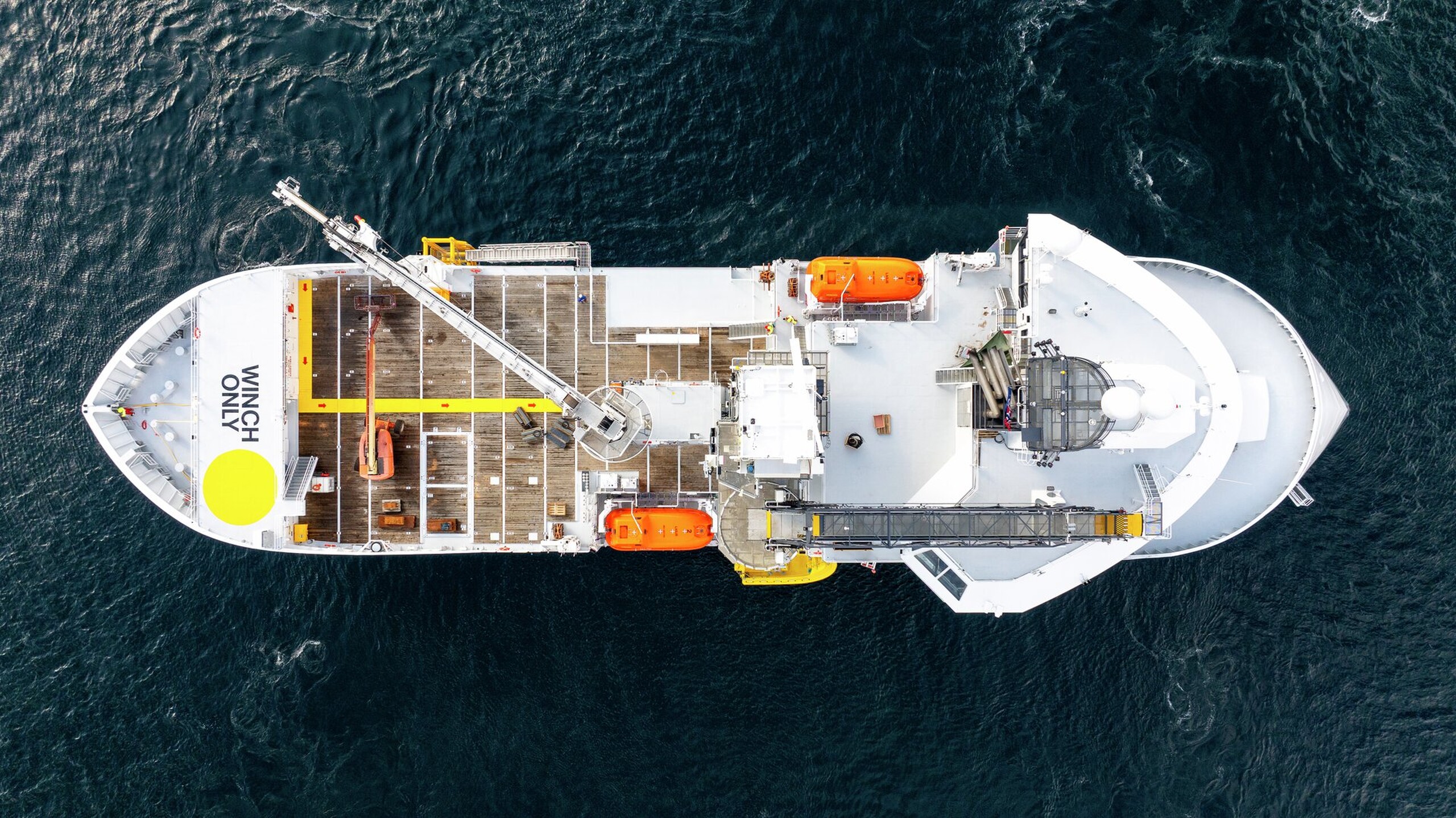
The phrase “Winch Only” on a ship has a specific meaning related to ship operations. It refers to using the winch equipment alone without other assistance. Understanding this term helps in knowing how certain tasks are handled safely on board.
Winches are machines that pull or let out ropes and cables. They play a key role in controlling heavy loads on a ship. The term “Winch Only” limits the operation to the winch device itself.
Definition In Maritime Context
“Winch Only” means operating the winch without extra tools or crew help. It focuses on using the winch motor or manual crank alone. This term often appears in ship instructions or safety protocols.
It ensures that the winch handles the load without outside forces. The winch controls the movement of ropes or chains on deck. This helps prevent accidents and keeps the process smooth.
Situations For Using Winch Only
Ships use “Winch Only” in specific tasks requiring precision. For example, during mooring, the winch adjusts ropes to secure the ship. Using the winch alone avoids sudden jerks or uneven tension.
It also applies when lifting cargo with cranes attached to winches. The operator controls the lift carefully using just the winch. This reduces risks of damage to the load or ship.
Another case is emergency situations where quick action is needed. The winch can release or tighten lines fast and safely. This method keeps the crew safe by limiting manual handling.
Functions Of Winch Only Mode
The “Winch Only” mode on a ship controls the winch without involving other systems. This mode allows precise handling of ropes and cables. It is essential for various ship operations that need careful tension control. The winch works independently, providing steady and safe movements.
This mode improves safety and efficiency. It prevents sudden jerks and damage to equipment. Operators can focus on specific tasks with better control.
Anchoring Procedures
In anchoring, the winch only mode controls the anchor chain. It lowers or raises the anchor smoothly. This prevents the chain from snapping or tangling. The mode helps hold the anchor firmly in place. It allows gradual release or retrieval to match sea conditions.
Mooring Operations
Mooring uses the winch only mode to handle mooring lines. It keeps lines tight or slack as needed. This avoids sudden movements that could harm the ship or dock. The mode helps adjust line tension during docking or departure. It ensures the ship stays securely fastened.
Cargo Handling
During cargo handling, the winch only mode moves ropes or slings gently. This protects cargo from damage. It controls lifting and lowering loads with accuracy. The mode supports smooth cargo transfer between ship and dock. Operators manage weight carefully to avoid accidents.
Advantages Of Using Winch Only
Using winch only on a ship offers clear benefits that improve work quality. It simplifies many tasks by relying on the winch mechanism alone. This method is common in various ship operations, especially in handling ropes and anchors. The advantages cover safety and efficiency, making it a preferred choice for many crews.
Safety Benefits
Winch only reduces the risk of accidents on deck. It keeps crew members away from heavy loads and moving parts. This lowers chances of injuries during lifting or pulling. The controlled speed of the winch helps prevent sudden jerks. It also allows smooth handling, reducing equipment damage. Using winch only means fewer people are near dangerous operations.
Operational Efficiency
Winch only speeds up many ship tasks. It requires less manual labor, saving time and energy. The winch provides steady power, making work easier and faster. It works well in tight spaces where other tools may fail. Operators can control the winch precisely for delicate jobs. This method helps complete tasks without unnecessary delays or errors.
Limitations And Risks
Using a winch only on a ship can be useful, but it has clear limits and risks. The equipment is strong but not perfect for every task. Knowing these limits helps avoid accidents and damage.
Winch-only operation means relying solely on the winch’s power. It does not involve other tools or manual help. This narrow use can cause problems in certain situations.
Potential Hazards
Winches can overheat if used too long. This can cause mechanical failure or fire. The cable may snap if overloaded, risking injury or damage.
The sudden release of tension can cause the load to swing. This puts crew members in danger. Improper use can also damage the ship’s structure.
When Not To Use Winch Only
A winch should not be the only tool when precise control is needed. Tasks requiring slow and steady movement need more than just a winch.
A winch alone is unsafe in rough seas or strong winds. The load can shift unexpectedly, causing accidents. Use other equipment or manual support in such cases.
Maintenance And Inspection
Maintaining and inspecting a ship’s winch is vital for safe and smooth operations. Regular care helps avoid breakdowns and extends the winch’s lifespan. It ensures the winch works correctly when needed, especially during critical moments at sea.
Proper maintenance includes cleaning, lubrication, and checking all parts. Inspections help catch wear and tear early. This reduces repair costs and prevents accidents on board.
Routine Checks
Routine checks keep the winch in top shape. Start by inspecting cables and ropes for frays or damage. Look for rust or corrosion on metal parts. Check bolts and fasteners to ensure they are tight. Test the brakes and control systems for proper function. Clean the winch regularly to remove salt and dirt. Lubricate moving parts to reduce friction and wear. Record all checks in a maintenance log for future reference.
Troubleshooting Common Issues
Winches may face issues like slipping or unusual noises. Check if the power supply is stable and connections are secure. Inspect the clutch for wear or damage. Verify that the brake system engages and releases smoothly. Examine the drum for any dents or cracks. Look for signs of overheating in motors. Clean and lubricate components if they appear dry or dirty. Replace worn parts promptly to avoid further damage.
Training For Winch Operations
Training for winch operations is essential for safe and efficient ship handling. Crew members must understand how to operate the winch correctly. Proper training reduces accidents and equipment damage. It also ensures smooth loading and unloading processes.
Training includes both theory and practical exercises. Operators learn about the winch parts, controls, and safety measures. Hands-on practice helps build confidence and skill. Regular training updates keep knowledge current with new equipment and rules.
Skills Required
Operators need good hand-eye coordination and steady control. They must understand load limits and signals from the crew. Basic mechanical knowledge helps in identifying faults. Communication skills are crucial for teamwork during operations.
Best Practices
Always check the winch before use for any damage. Follow the ship’s guidelines for safe operation. Use protective gear like gloves and helmets. Keep the area clear of unnecessary personnel. Stop operation immediately if something feels wrong.

Credit: www.reddit.com
Frequently Asked Questions
What Does “winch Only” Mean On A Ship?
“Winch only” means the ship’s crane or lifting equipment can only be operated using the winch mechanism. It indicates limited functionality, focusing solely on winching without additional crane movements.
Why Is “winch Only” Important For Ship Operations?
“Winch only” ensures safe and controlled lifting by restricting operations to the winch. It prevents accidental crane movements and enhances safety during cargo handling.
How Does “winch Only” Affect Ship Cargo Handling?
It limits cargo handling to vertical lifting and lowering motions. This simplifies operations but restricts horizontal or rotational movements of the load.
When Should A Ship Use “winch Only” Mode?
“Winch only” mode is used during specific loading or unloading tasks requiring precise vertical control. It’s also used when crane mobility is limited or unsafe.
Conclusion
“Winch only” on a ship means using just the winch for certain tasks. It limits the operation to this single tool. This term helps crew members know what equipment to use. It keeps work clear and safe on board. Knowing this phrase aids communication among sailors.
It also ensures proper handling of heavy loads. Understanding “winch only” helps avoid confusion during operations. It is a small but important part of shipwork language.


