
If you’ve ever found yourself stuck in mud, snow, or rough terrain, you know how a winch can be a lifesaver. But using a winch the wrong way can lead to damage or even injury.
You want to make sure you’re doing it right—safe, smooth, and effective every time. This guide will show you the proper way to use a winch so you can get out of tricky spots with confidence. Keep reading, and you’ll learn simple steps that protect you, your vehicle, and your gear.
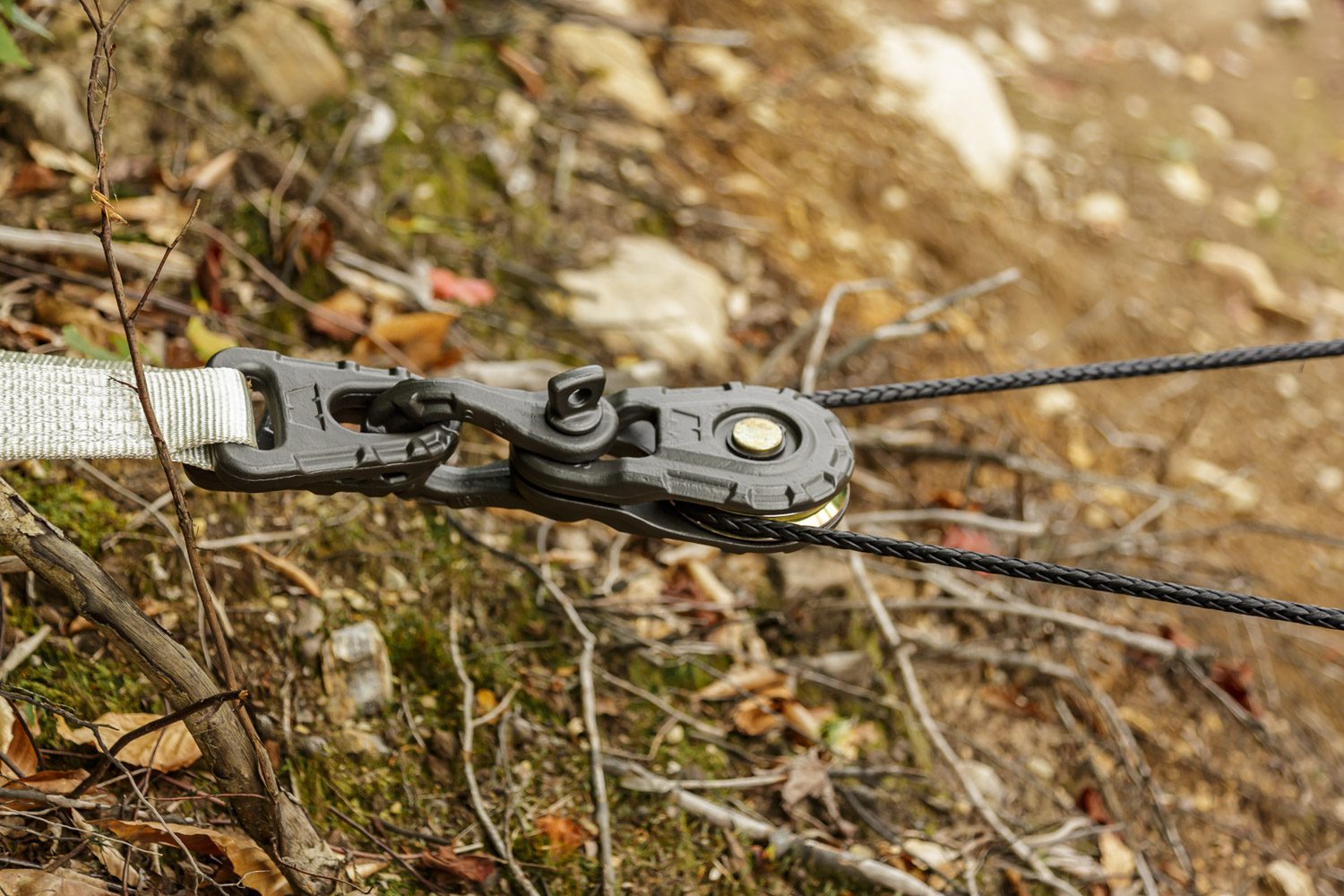
Credit: www.atvtrailrider.ca
Choosing The Right Winch
Choosing the right winch is key to safe and effective vehicle recovery. The right winch fits your needs and your vehicle. Understanding the types, capacity, and power sources helps you pick the best one.
Types Of Winches
There are three main types of winches: electric, hydraulic, and manual. Electric winches are common for light to medium tasks. They use your vehicle’s battery to operate. Hydraulic winches connect to your vehicle’s power steering or hydraulic system. They offer strong pulling power but need more setup. Manual winches need hand operation and are best for small jobs. Choose the type that matches your recovery needs and vehicle setup.
Winch Capacity And Vehicle Size
Winch capacity is the maximum weight it can pull. This number should be higher than your vehicle’s weight. A good rule is to pick a winch with at least 1.5 times your vehicle’s gross weight. This ensures the winch handles tough situations. For heavy trucks, choose a winch with higher capacity. For smaller vehicles, a lower capacity winch works well. Matching capacity to vehicle size prevents damage and improves safety.
Power Sources
Winches use different power sources. Electric winches run on your vehicle battery. They are easy to install and use. Hydraulic winches use fluid pressure from your vehicle’s system. They provide strong, continuous power. Manual winches need physical effort to pull. Choose the power source based on your vehicle and how often you will use the winch. Electric winches suit most users. Hydraulic winches fit heavy-duty needs. Manual winches work in simple, light tasks.

Credit: www.desertwranglers.club
Preparing For Winching
Preparing for winching is a critical step that ensures safety and success. It takes time and care to check everything before starting. Being ready helps avoid accidents and equipment damage. Follow simple steps to prepare properly.
Inspecting The Winch And Cable
Start by examining the winch closely. Check the cable for any signs of wear or damage. Look for broken strands, rust, or kinks in the cable. Make sure the winch drum turns smoothly. Test the controls to confirm they work well. Replace or repair any faulty parts before use.
Selecting Anchor Points
Choose strong and stable anchor points to secure the winch. Trees, rocks, or vehicle frames can work well. Avoid weak or loose objects that might break. The anchor point should hold the load without shifting. Position it so the cable pulls straight and does not rub against sharp edges.
Clearing The Area
Clear the area around the winch and cable path. Remove rocks, branches, or other obstacles that could cause problems. Keep bystanders at a safe distance to avoid injury. Make sure no one stands near the cable under tension. A clean and safe area reduces risks during winching.
Winching Techniques
Winching requires careful technique to work safely and efficiently. Proper methods reduce risk and prevent damage. Understanding basic winching techniques helps you control the process smoothly.
Each step in winching matters. From handling the cable to using the controls, every action counts. Focus on safety and control for the best results.
Using A Winch Line Dampener
A winch line dampener lowers the risk of injury. It absorbs energy if the cable snaps. Place it halfway along the cable. This helps reduce recoil and keeps you safer.
Always use a heavy blanket or purpose-built dampener. Avoid using thin cloth or light materials. The dampener adds weight and slows a sudden snap back.
Proper Cable Handling
Keep the cable straight and tidy while winching. Avoid kinks or twists that weaken the line. Pull the cable by hand, not by the winch.
Wear gloves to protect your hands. Inspect the cable often for frays or damage. Replace damaged cables immediately to avoid accidents.
Operating The Winch Controls
Stand clear of the cable during operation. Use the remote control or switch carefully. Apply steady pressure to avoid jerking the load.
Keep your body away from the winch and cable path. Stop immediately if the cable binds or stalls. Use slow, controlled movements for smooth operation.
Safety Measures
Using a winch can be dangerous without proper safety steps. Following safety measures protects you and others nearby. It also helps the winch work well and last longer. Always prepare well before starting any winching task.
Wearing Protective Gear
Wear gloves to protect your hands from sharp cables and rough surfaces. Use safety glasses to shield your eyes from debris or snapping cables. Sturdy boots guard your feet from heavy objects and provide good grip. Dress in close-fitting clothes to avoid getting caught in the winch.
Avoiding Common Hazards
Never stand near the cable under tension. It can snap and cause serious injury. Keep bystanders at a safe distance to prevent accidents. Check the winch and cable for damage before use. Avoid using a winch on unstable or slippery ground. Make sure the anchor point is strong and secure.
Maintaining Communication
Use clear signals or radios to talk with helpers. Everyone must understand the commands before starting. Stop work immediately if communication breaks down. Keep eyes on the winch and load at all times. This helps avoid mistakes and keeps the work smooth and safe.
Post-winching Care
After using a winch, taking care of it is very important. Proper post-winching care keeps the winch safe and ready for the next use. It helps avoid damage and extends the winch’s life. Follow these simple steps to protect your equipment.
Inspecting The Winch And Cable Again
Check the winch and cable closely after each use. Look for cuts, frays, or dents on the cable. Examine the winch drum and hook for any signs of damage. Small problems can turn into big issues if not caught early. Replace damaged parts right away to stay safe.
Cleaning And Maintenance
Remove dirt, mud, and debris from the winch and cable. Use a soft brush and mild soap with water for cleaning. Dry the cable and winch parts fully to stop rust. Lubricate moving parts with the right oil to keep them smooth. Regular maintenance makes the winch work better and last longer.
Storing The Winch Properly
Store the winch in a dry, cool place away from sunlight. Keep the cable loose on the drum to avoid kinks. Cover the winch with a waterproof cover to protect it from dust and rain. Proper storage prevents rust and damage. It also keeps the winch ready for next use.
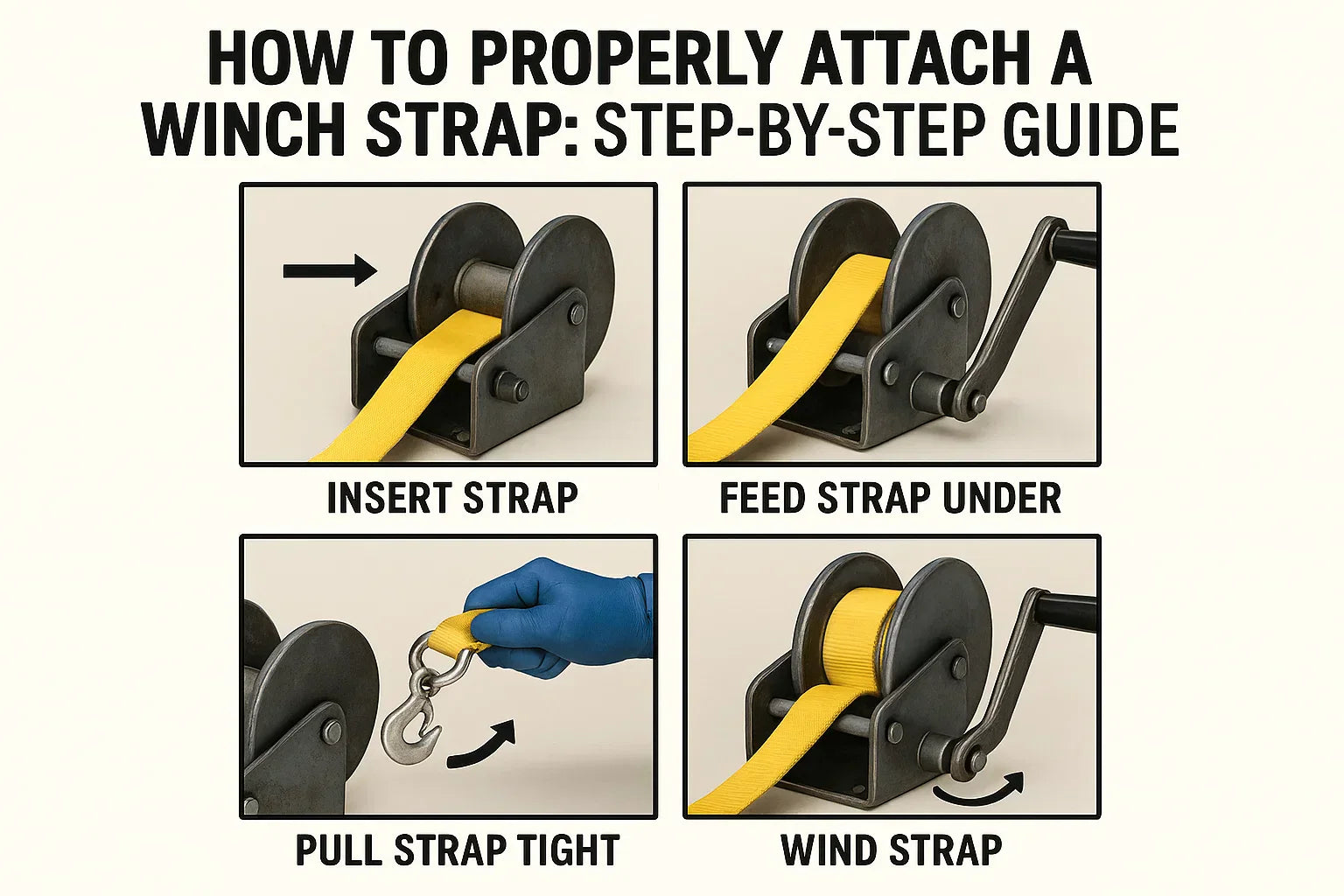
Credit: vulcanbrands.com
Frequently Asked Questions
What Is The Safest Way To Use A Winch?
Always inspect the winch and cable before use. Wear gloves and keep clear of the cable’s path. Use a proper anchor point and avoid sudden pulls to prevent accidents.
How Do I Choose The Right Winch For My Vehicle?
Select a winch with a pulling capacity at least 1. 5 times your vehicle’s weight. Consider cable length, motor power, and durability for your specific needs.
How Should I Maintain A Winch For Longevity?
Regularly clean the cable and drum. Lubricate moving parts and check electrical connections. Store the winch covered to protect it from dirt and moisture.
Can I Use A Winch Without An Anchor Point?
No, an anchor point is essential. It provides the resistance needed for the winch to pull effectively. Use trees, rocks, or a second vehicle as anchors.
Conclusion
Using a winch safely takes attention and care. Always check your gear before use. Keep the area clear to avoid accidents. Pull slowly and steady to control the load. Practice often to build confidence and skill. A winch can help in many tough situations.
Remember, safety comes first every time you winch. Follow these tips to use your winch right and protect yourself and others. Stay safe and keep your equipment in good shape.

![Read more about the article How to Mount a Winch on a Truck [Absolute Step by Step Guide]](https://autopartsguideline.com/wp-content/uploads/2021/10/how-to-mount-a-winch-on-a-truck-300x190.webp)
