Are you wondering how many hoists you really need for your project or workspace? Choosing the right number can save you time, money, and frustration.
Too few hoists can slow down your work, while too many might crowd your space and waste resources. You’ll discover simple ways to figure out exactly how many hoists fit your needs. Keep reading, and you’ll get clear answers that help you make smart decisions for your equipment and your team.
Types Of Hoists
Hoists come in various types, each designed for specific lifting needs. Choosing the right hoist depends on the weight, environment, and frequency of use. Understanding the main types helps in making the best decision for your project.
Here are the most common types of hoists and how they work.
Electric Hoists
Electric hoists use a motor to lift heavy loads quickly and with less effort. They are suitable for frequent lifting tasks and can handle large weights. These hoists work well in factories, warehouses, and construction sites. They require a power source and often come with remote controls for easy operation.
Manual Hoists
Manual hoists rely on human power to lift loads. They are simple, portable, and do not need electricity. These hoists work best for light to medium loads and occasional use. Manual hoists are common in small workshops and outdoor settings where power is unavailable.
Hydraulic Hoists
Hydraulic hoists use fluid pressure to lift heavy objects smoothly. They offer strong lifting power and precise control. These hoists are ideal for lifting very heavy loads or for tasks requiring careful handling. They often serve in automotive repair and industrial environments.
Pneumatic Hoists
Pneumatic hoists use compressed air to lift loads. They are safe to use in hazardous environments because they do not produce sparks. These hoists are common in chemical plants and places with flammable materials. Pneumatic hoists deliver steady lifting power and low maintenance needs.
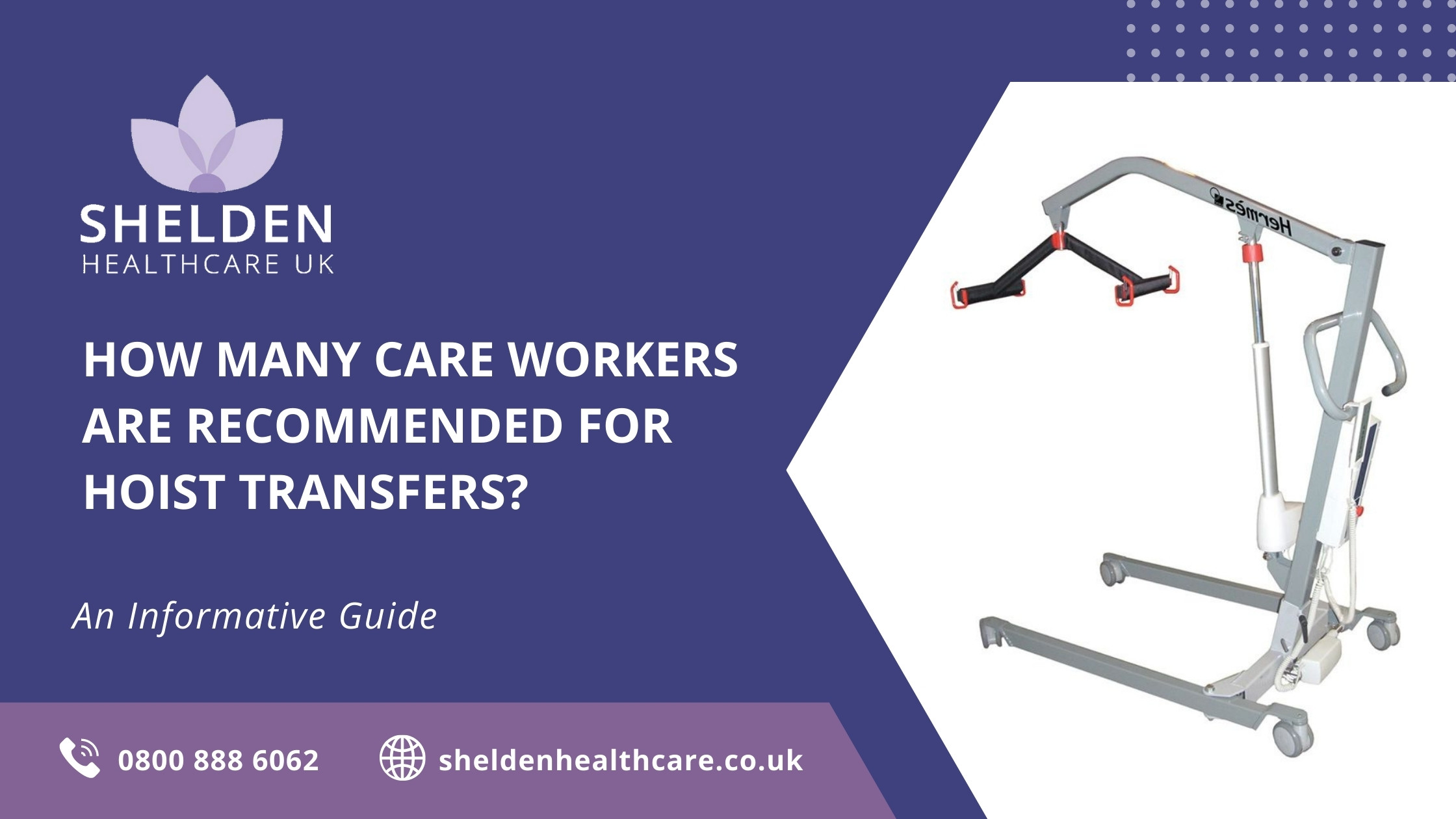
Credit: www.shelden-healthcare.co.uk
Key Hoist Features
Understanding the key features of a hoist helps you pick the right one for your needs. Each feature plays a vital role in how well the hoist performs. Knowing these features makes your work safer and easier.
Load Capacity
Load capacity is the maximum weight a hoist can lift safely. It is important to choose a hoist that can handle the heaviest loads you expect. Overloading a hoist can cause damage and accidents. Always check the load capacity before buying.
Lift Height
Lift height is the highest point the hoist can raise a load. This depends on the length of the hoist’s cable or chain. Make sure the lift height matches the height of your workspace. A hoist with too little lift height will not meet your needs.
Speed Options
Speed options control how fast the hoist lifts or lowers loads. Some hoists have multiple speed settings for different tasks. Faster speeds save time but may reduce control. Slower speeds offer more precision for delicate work.
Power Source
Hoists can use different power sources like electricity, air, or manual force. Electric hoists are common and easy to use. Air-powered hoists work well in hazardous areas. Manual hoists are simple and do not need power but require more effort.
Choosing Hoists By Application
Choosing the right hoist depends on the task and environment. Each application needs a specific type of hoist. This ensures safety, efficiency, and durability. Understanding different uses helps pick the best hoist for your needs.
Industrial Use
Industrial hoists handle heavy loads daily. They need strong motors and sturdy frames. Chain hoists and electric hoists are common here. They lift machinery, parts, and raw materials safely. Reliability and high weight capacity are key features.
Construction Sites
Construction hoists must be tough and portable. They lift building materials and tools quickly. Electric chain hoists and wire rope hoists fit well. They resist dust, dirt, and rough handling. Quick setup and easy control help save time.
Automotive Repair
Auto shops use hoists to lift vehicles and parts. Hydraulic and electric hoists are popular choices. They offer smooth lifting and precise control. Safety locks and stable bases protect workers. Compact designs fit in tight garage spaces.
Home Workshops
Home workshops need simple, easy-to-use hoists. Manual chain hoists or small electric hoists work best. They lift engines, tools, and materials safely. Affordable and lightweight models suit hobbyists well. Easy storage and low maintenance are important.
Safety Considerations
Safety is the top priority when using hoists. Every step must focus on protecting workers and equipment. Ignoring safety rules can lead to accidents and costly damage.
Load Limits
Always follow the hoist’s load limits. Never lift more than the maximum weight allowed. Overloading can cause the hoist to fail. This puts people and property at risk.
Check the load rating before each use. Make sure the weight of the load matches the hoist capacity. Use a hoist suited for the job size.
Inspection And Maintenance
Inspect the hoist regularly for wear and damage. Look for cracks, rust, and loose parts. Replace any damaged components immediately.
Keep the hoist clean and lubricated. Proper maintenance keeps it working smoothly. Schedule regular professional inspections for safety checks.
Operator Training
Operators must know how to use the hoist safely. Provide clear instructions and hands-on training. Teach them about load limits and emergency stops.
Only trained personnel should operate hoists. This reduces accidents and equipment damage. Training helps workers stay alert and confident.
Budget And Cost Factors
Understanding the budget and cost factors for a hoist is essential. It helps plan expenses clearly and avoid surprises. Costs go beyond the purchase price. Consider all aspects before deciding how many hoists to buy.
Initial Investment
The initial investment covers the price of the hoist itself. Different types and capacities affect the cost. Basic models cost less but may lack features. Heavy-duty hoists with advanced functions cost more. Also include installation expenses in the budget. Some hoists need special setup or extra equipment. Budget enough for all these upfront costs.
Operating Costs
Operating costs include electricity, maintenance, and repairs. Electric hoists use power regularly, adding to bills. Manual hoists have lower operating costs but need more labor. Regular maintenance prevents breakdowns and expensive repairs. Consider the cost of parts and service visits. Factor in training costs for safe use too.
Long-term Value
Long-term value depends on durability and efficiency. A hoist that lasts longer saves money over time. Efficient models reduce energy use and lower operating costs. Quality hoists improve work speed and safety. These benefits add value beyond the initial cost. Choose hoists that balance price with performance and durability.
Installation And Setup
Installing and setting up a hoist requires careful planning. Proper installation ensures safety and smooth operation. This section covers the key points to consider during installation and setup.
Understanding mounting options, space needs, and power connections helps you prepare the right environment for your hoist.
Mounting Options
Hoists can be mounted in different ways depending on your workspace. Ceiling mounts are common for overhead lifting. Wall mounts save floor space and offer stability. Some hoists come with portable stands for flexibility. Choose a mounting option that fits your space and lifting needs. Ensure the mounting surface is strong enough to hold the hoist’s weight and the load.
Space Requirements
Leave enough room around the hoist for safe operation. Consider the hoist’s height, reach, and load size. Allow space for the load to move freely without hitting walls or objects. Check the floor area to avoid clutter. Proper spacing prevents accidents and improves work efficiency. Measure your workspace before installation to avoid surprises.
Power Connections
Hoists need a reliable power source to work correctly. Most hoists use electric power and require specific voltage and current. Confirm your power supply matches the hoist’s requirements. Use proper wiring and circuit breakers to prevent electrical hazards. Keep cables organized and away from moving parts. Always follow safety rules for electrical setup.
Popular Hoist Brands
Choosing the right hoist brand matters. Quality, safety, and durability depend on it. Some brands stand out for their reliability and features. Knowing popular hoist brands helps you pick the best one for your needs.
Leading Manufacturers
Brands like CM, Harrington, and Yale lead the hoist market. They offer a wide range of hoists for various tasks. These manufacturers use strong materials and advanced designs. Their hoists handle heavy loads safely and efficiently. Many professionals trust these brands for daily use.
Warranty And Support
Top hoist brands provide solid warranties. This protects your purchase from defects and faults. Most offer at least one year of warranty coverage. Good customer support is key to solving problems quickly. Some brands have service centers worldwide for fast assistance.
Customer Reviews
Reading reviews helps understand real user experiences. Customers often highlight durability and ease of use. Reliable brands get high ratings for safety features. Some reviews mention good customer service and quick repairs. Check reviews to avoid brands with frequent issues.

Credit: www.reddit.com

Credit: lifting.com
Frequently Asked Questions
How Many Hoists Are Needed For Lifting Heavy Loads?
The number of hoists depends on the load weight and lifting method. Usually, one hoist handles light to moderate loads. For heavier or larger items, multiple hoists distribute weight evenly, ensuring safety and stability during lifting operations.
What Factors Determine The Number Of Hoists Required?
Load weight, size, and lifting height determine hoist quantity. Environmental conditions, safety regulations, and equipment capacity also influence the number. Proper assessment ensures the right number of hoists for safe and efficient lifting.
Can Multiple Hoists Operate Simultaneously On One Load?
Yes, multiple hoists can work together to lift a single load. Synchronizing their operation ensures balanced lifting and prevents load sway. Proper coordination and control systems are essential for safe multi-hoist lifting.
How Do I Calculate Hoist Capacity For My Project?
Calculate total load weight and add a safety margin. Divide the total by the number of hoists planned. Choose hoists with capacities equal to or greater than this value to ensure safe lifting.
Conclusion
Choosing the right number of hoists depends on your specific needs. Think about the weight, size, and frequency of lifting tasks. Safety should always come first. Using the correct hoist helps avoid accidents and saves time. Keep your equipment well-maintained for best results.
A good plan makes work easier and more efficient. Consider your space and budget too. Remember, the right hoist setup supports your work smoothly and safely.


