
Are you wondering how long your winch rope will actually last? Knowing this can save you from unexpected breakdowns and keep your gear ready for any tough situation.
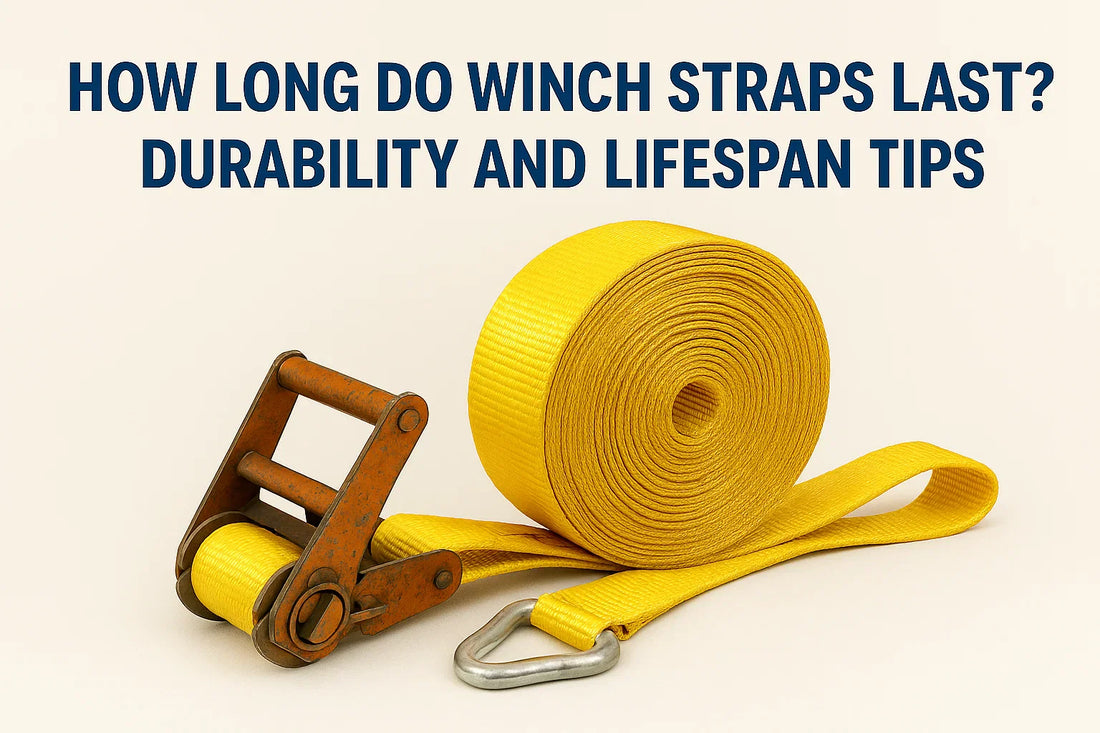
Your winch rope faces wear and tear every time you use it, but how do you tell when it’s time to replace it? This article will give you clear answers and simple tips to make sure your winch rope stays strong and reliable.
Keep reading to protect your equipment and stay safe out there.
Factors Affecting Winch Rope Lifespan
The lifespan of a winch rope depends on many factors. Knowing these helps you get the most use from your rope. Some factors wear the rope faster. Others keep it strong for longer. Understanding these can save money and prevent accidents.
Material Types
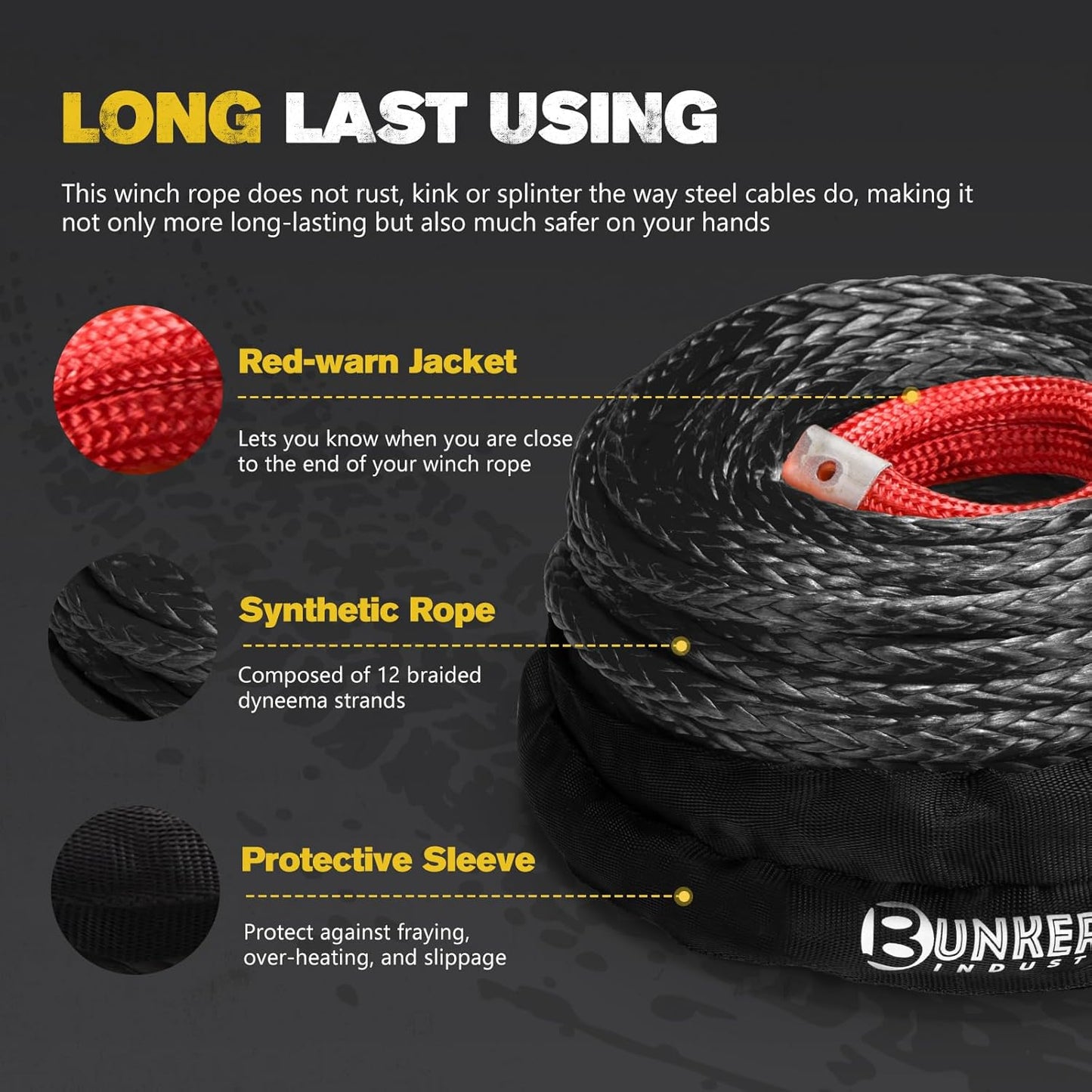
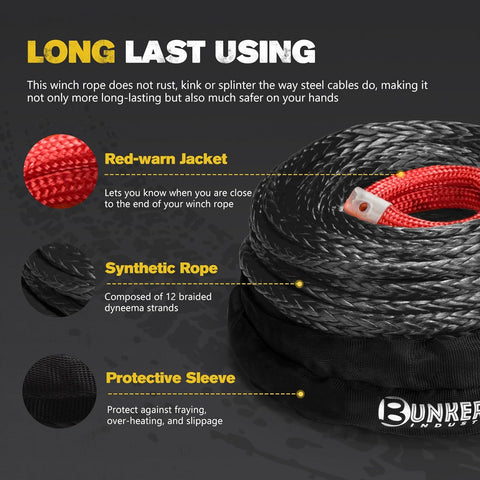
Winch ropes come in two main types: synthetic and steel. Synthetic ropes are lighter and easier to handle. They resist rust and don’t fray easily. Steel ropes are very strong but heavy. They can rust and develop sharp strands. The material affects how long the rope lasts under normal use.
Usage Frequency
Using a winch rope often causes faster wear. Daily or weekly use wears the fibers or strands. Infrequent use means the rope stays in better condition. Regular checks can spot damage early and extend the rope’s life.
Load Conditions
Heavy loads strain the rope more. Pulling near the rope’s limit can cause damage. Sudden jerks or shocks also shorten the lifespan. Using the rope within its weight limit helps it last longer.
Environmental Exposure
Exposure to sun, rain, mud, and chemicals affects the rope. UV rays can weaken synthetic fibers over time. Steel ropes can rust if wet and not dried. Dirt and grit cause abrasion. Proper cleaning and storage protect the rope from harm.
Signs Of Winch Rope Wear
Winch ropes face tough conditions during use. They wear down over time, making it important to spot signs early. Recognizing wear helps prevent accidents and failures. Check your rope regularly to keep it safe.
Fraying And Broken Strands
Fraying happens when individual strands break or unravel. It makes the rope weaker and less reliable. Small broken strands can grow into bigger problems fast. Always watch for loose fibers or rough spots.
Corrosion And Rust
Metal winch ropes can rust or corrode from moisture and dirt. Rust weakens the rope and can cause it to snap. Look for reddish or brown patches on the rope surface. Clean and dry your rope to reduce corrosion.
Stretching And Deformation
Stretching means the rope gets longer than usual. It loses strength and may not pull as well. Deformation shows as kinks or bends in the rope shape. Both issues signal the rope needs replacement soon.
Discoloration And Stiffness
Discoloration can come from sun damage or chemicals. The rope may look faded or uneven in color. Stiffness means the rope has lost its flexibility. A stiff rope is harder to handle and more prone to breaking.
Maintenance Tips To Extend Lifespan
Maintaining your winch rope is key to making it last longer. Proper care helps avoid damage and keeps it safe to use. Simple steps can protect your rope from wear and tear. Taking time for maintenance saves money and effort in the long run.
Regular Inspection Routine
Check the rope before and after each use. Look for frays, cuts, or broken strands. Spotting damage early stops bigger problems later. Replace the rope if you see serious wear. A quick inspection keeps your rope reliable and safe.
Cleaning And Lubrication
Remove dirt and debris from the rope regularly. Use mild soap and water for cleaning. Dry it completely to prevent rust and rot. Apply lubricant designed for winch ropes to reduce friction. This helps the rope move smoothly and last longer.
Proper Storage Practices
Store the rope in a cool, dry place away from sunlight. Avoid damp or hot areas that weaken the rope fibers. Coil the rope neatly to prevent kinks and tangles. Good storage protects the rope from damage between uses.
Avoiding Overloading
Do not exceed the rope’s weight limit. Overloading causes stretching and weakens the fibers. Use a rope with the right strength for your tasks. Respect the rope’s limits to ensure safety and durability.
Credit: bunkerindust.com
Replacing Winch Rope Safely
Replacing winch rope safely is crucial for your equipment’s performance and your safety. Old or damaged rope can break under load, causing accidents or damage. Knowing the right time to replace and how to do it properly helps avoid risks.
When To Replace
Check the rope often for signs of wear. Look for fraying, broken strands, or discoloration. If the rope feels rough or stiff, it may be time to replace it. Also, replace the rope after heavy use or if it has been exposed to harsh conditions.
Choosing The Right Replacement Rope
Pick a rope that matches your winch’s specifications. Consider the rope’s strength, length, and material. Synthetic ropes are lighter and easier to handle but need careful inspection. Steel ropes last longer but are heavier and can rust. Choose based on your needs and winch type.
Installation Steps
First, remove the old rope carefully to avoid injury. Wear gloves to protect your hands. Attach the new rope to the winch drum securely. Follow the manufacturer’s instructions for your winch model. Wind the rope evenly to prevent tangles and damage. Test the winch slowly before full use.
Disposal Of Old Rope
Do not throw old rope in regular trash. Cut it into small pieces to avoid wildlife hazards. Dispose of it at a recycling center if possible. Proper disposal prevents accidents and environmental harm.
Comparing Synthetic Vs Steel Ropes
Choosing the right rope for a winch affects performance and safety. Synthetic and steel ropes are the two main options. Each type has its own pros and cons. Understanding these can help you pick the best rope for your needs.
Durability And Strength
Steel ropes are very strong and resist abrasion well. They handle heavy loads without breaking easily. Synthetic ropes are lighter but can wear out faster from sharp edges and heat. They stretch more, which can absorb shock but may reduce control. Both ropes need regular checks for damage.
Weight And Handling
Synthetic ropes are much lighter than steel. This makes them easier to carry and use. They float on water, which helps in wet conditions. Steel ropes are heavier and harder to handle. They can cause injuries if they snap. Synthetic ropes are more flexible, making them easier to coil and store.
Cost Considerations
Steel ropes usually cost less upfront. They last longer if used carefully. Synthetic ropes cost more but save money in handling and transport. Repairs or replacements may be needed sooner. Think about how often you will use the winch and the conditions it faces.
Safety Factors
Synthetic ropes are safer because they don’t store as much energy when stretched. If they break, they are less likely to cause injury. Steel ropes can snap back with great force, posing a serious risk. Steel can also rust, weakening over time. Synthetic ropes resist rust and are easier to inspect visually.
Credit: vulcanbrands.com
Credit: bunkerindust.com
Frequently Asked Questions
How Long Does Winch Rope Typically Last?
Winch rope lifespan varies but usually lasts 1 to 3 years with regular use. Proper maintenance extends its life. Inspect for frays or damage often to ensure safety and performance.
What Factors Affect Winch Rope Durability?
Durability depends on usage frequency, load weight, weather exposure, and maintenance. Harsh environments and heavy pulls reduce lifespan. Regular cleaning and proper storage help maintain rope strength.
How Can I Tell If My Winch Rope Needs Replacing?
Look for fraying, broken strands, discoloration, or stiffness. Any visible damage means replace it immediately. Damaged rope risks failure, causing safety hazards and equipment damage.
Does Synthetic Rope Last Longer Than Steel Cable?
Synthetic ropes often last longer due to flexibility and corrosion resistance. However, steel cables resist abrasion better. Choose based on your winching conditions and maintenance routine.
Conclusion
Winch ropes wear out over time and with use. Regular checks help spot damage early. Replace the rope if you see frays or cuts. Proper care extends the rope’s life. Choose the right rope for your needs. Using the rope safely keeps you and your gear safe.
Stay aware and maintain your winch rope well. This keeps your equipment ready for action anytime.


