Have you ever wondered how heavy objects are moved with ease in tough situations? Whether you’re working on a construction site, off-roading, or tackling a challenging outdoor project, a winch can be your best friend.
But what exactly is the purpose of a winch, and how can it make your tasks simpler and safer? Keep reading to discover the surprising power behind this tool and why it might be exactly what you need to get the job done right.
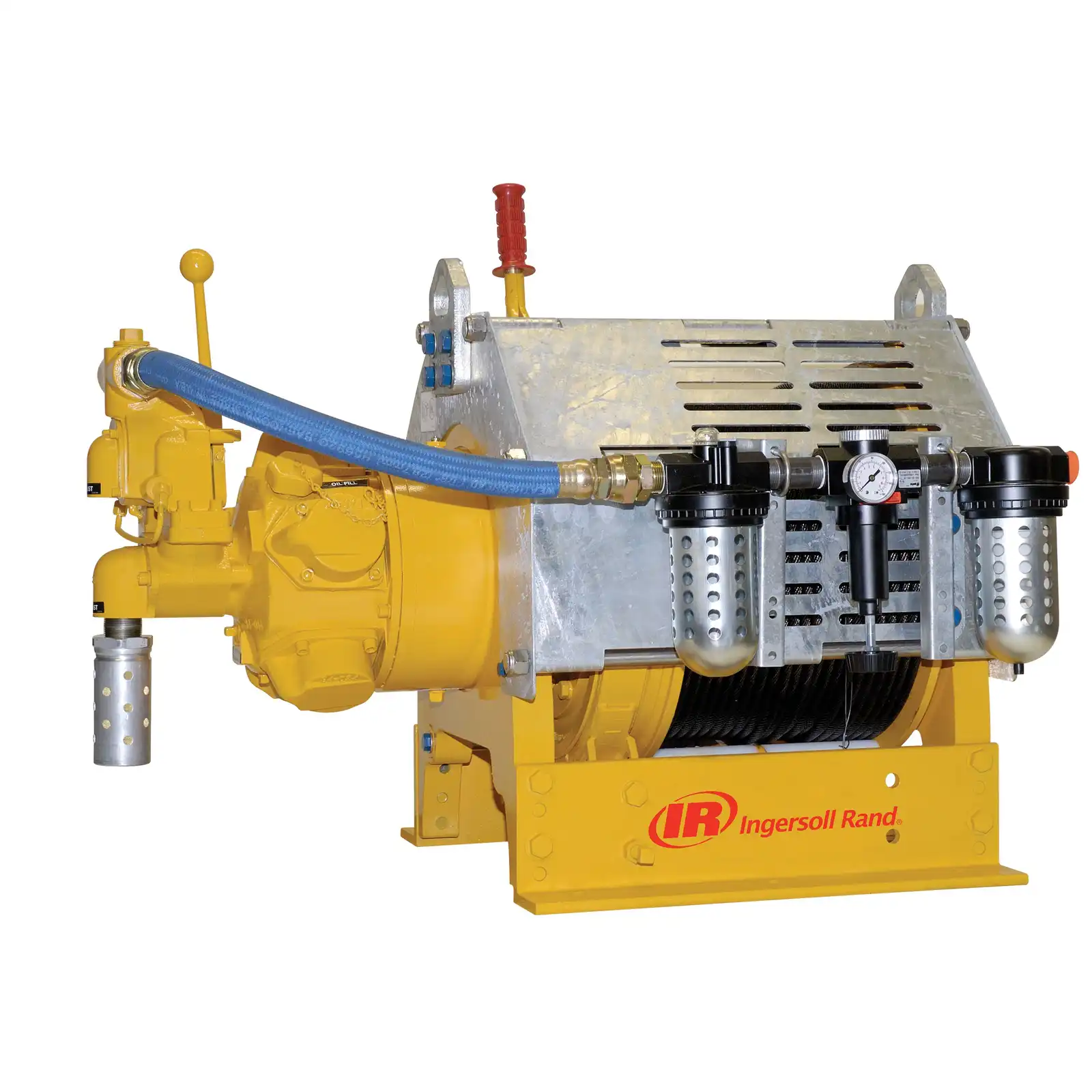
Credit: liftingsolutions.ingersollrand.com
Key Functions Of A Winch
Winches are powerful tools used in many industries and everyday tasks. Their main purpose is to move or lift heavy objects with less effort. Understanding the key functions of a winch helps you see why they are essential in various situations. Here are the main tasks a winch performs.
Pulling Heavy Loads
Winches pull heavy loads that are too big for people to move. They use strong cables or ropes wrapped around a drum. When the drum turns, it pulls the load toward the winch. This makes moving large objects easier and safer. Industries like construction and shipping use winches to handle heavy materials.
Assisting Vehicle Recovery
Winches help recover stuck or disabled vehicles. Off-road drivers use winches to pull vehicles out of mud or snow. Tow trucks also use winches to pull broken cars onto their beds. This function saves time and effort during emergencies. It also prevents damage to vehicles during recovery.
Positioning Equipment
Winches help position heavy equipment precisely. They can lift or lower machines slowly and steadily. This control is important in construction and manufacturing. Winches ensure equipment is placed safely and correctly. This reduces the risk of accidents and damage.
Common Winch Applications
Winches have many uses across different fields. They help move heavy objects safely and easily. Understanding where winches are used shows their importance in daily tasks. Here are some common places where winches make work simpler and safer.
Off-road Adventures
Off-road drivers use winches to get unstuck from mud or sand. Winches pull vehicles out of tough spots quickly. They add safety and confidence on rough trails. A winch can save time and effort during outdoor trips.
Industrial Settings
Factories use winches to lift and move heavy materials. They make tasks faster and reduce injury risks. Winches help in assembly lines and storage areas. They are vital for handling loads that are hard to move by hand.
Marine Operations
Ships and boats use winches to raise and lower anchors. They also help with loading cargo and securing equipment. Winches keep operations smooth and safe on water. They handle heavy weights in tough marine conditions.
Construction Sites
Winches lift building materials to high places on construction sites. They support cranes and other machines to move loads safely. Workers rely on winches to speed up construction work. Winches help keep projects on schedule and safe.
Types Of Winches And Their Uses
Winches come in different types, each designed for specific tasks. Choosing the right winch depends on what you need it for. Understanding the types helps you pick the best tool for your work.
Electric Winches
Electric winches use a motor powered by electricity. They are common in vehicles and small equipment. These winches work well for lifting or pulling medium loads. They are easy to control with switches or remotes. Electric winches are great for everyday tasks and quick jobs.
Hydraulic Winches
Hydraulic winches use fluid pressure to create power. They are very strong and handle heavy loads. These winches are common in industrial and construction settings. Hydraulic winches run smoothly and last long under tough conditions. They require a hydraulic power source to operate.
Manual Winches
Manual winches are operated by hand using a crank or lever. They are simple and do not need power. These winches are good for light loads and occasional use. Manual winches are portable and easy to maintain. They work well in places without electricity or fuel.
Safety Tips When Using A Winch
Using a winch can be risky without the right safety steps. It pulls heavy loads, so accidents happen fast. Following safety tips helps prevent injury and damage. Focus on setup, avoid errors, and wear gear.
Proper Setup And Inspection
Check the winch before use. Look for frayed cables, loose bolts, or damage. Make sure the winch is firmly attached to a strong anchor point. Test the controls to ensure smooth operation. A good setup prevents accidents.
Avoiding Common Mistakes
Never overload the winch beyond its limit. Avoid sudden pulls or jerks; pull slowly and steadily. Keep bystanders clear of the winch line. Do not use damaged cables or hooks. Mistakes can cause cable snaps or equipment failure.
Using Protective Gear
Always wear gloves to protect hands from cable burns. Use eye protection to guard against flying debris. Wear sturdy boots to protect feet from heavy objects. Safety gear reduces injury risk during winching tasks.
Choosing The Right Winch For Your Needs
Choosing the right winch is crucial for safety and efficiency. Different tasks need different winch types. Knowing your needs helps pick the perfect winch. Consider size, power, and how you will use it. This guide covers key points for choosing the best winch for you.
Load Capacity Considerations
Check the maximum weight the winch can pull. Always pick a winch with a higher capacity than your heaviest load. This prevents damage and keeps operations safe. Overloading a winch can cause failure and accidents. Know the weight of your vehicles or items before choosing.
Power Source Options
Winches use different power sources like electric, hydraulic, or manual. Electric winches are common and easy to use. Hydraulic winches offer strong, continuous power for heavy jobs. Manual winches are good for light, occasional use. Choose a power source that fits your work environment and power availability.
Durability And Maintenance
Pick a winch made from strong materials like steel or aluminum. A durable winch lasts longer and resists wear and tear. Check if the winch parts are easy to replace. Regular maintenance keeps the winch working well and safe. Consider your ability to maintain the winch before buying.

Credit: www.amazon.com

Credit: www.networldsports.com
Frequently Asked Questions
What Is The Main Purpose Of A Winch?
A winch is designed to pull or lift heavy objects safely. It helps move loads that are difficult to handle manually. Winches are commonly used in vehicles, construction, and marine applications for efficient load control and management.
How Does A Winch Work?
A winch operates by winding a cable or rope around a drum. When powered, the drum rotates, pulling the cable and moving the load. This mechanical advantage allows users to lift or drag heavy items with less effort.
Where Are Winches Commonly Used?
Winches are widely used in off-road vehicles, boats, construction sites, and rescue operations. They assist in towing, lifting, and recovering heavy objects. Their versatility makes them essential tools in many industries.
What Types Of Winches Exist?
The main types include electric, hydraulic, and manual winches. Electric winches use motors, hydraulic winches rely on fluid power, and manual winches require human effort. Each type suits different applications and load requirements.
Conclusion
A winch helps move heavy objects with less effort. It provides safety and control during lifting or pulling tasks. People use winches in many places, like off-road vehicles, boats, and construction sites. Knowing its purpose helps you choose the right one for your needs.
A winch saves time and reduces physical strain. It makes tough jobs easier and safer. Understanding how a winch works gives you confidence in using it correctly. Simple tools like winches can make big differences in everyday tasks.


