
Have you ever wondered if a winch can work in reverse? Whether you’re stuck in mud, pulling a heavy load, or just curious about your equipment, knowing how your winch operates can save you time and effort.
Using a winch backward isn’t as simple as it sounds, and getting it wrong could lead to damage or injury. You’ll discover the truth about reversing a winch, how it works, and what you need to watch out for. Keep reading to make sure you’re using your winch safely and effectively every time.
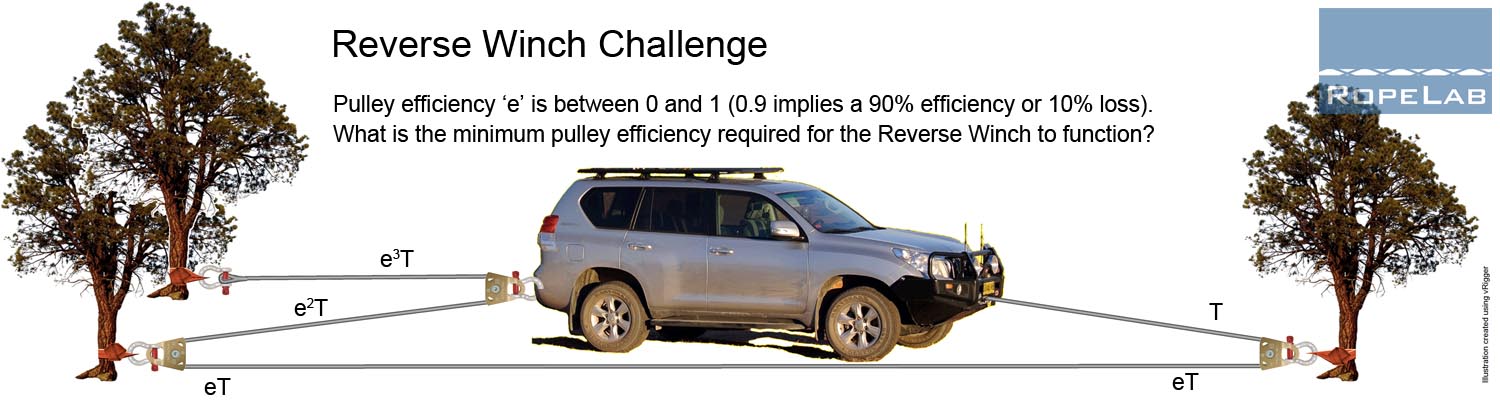
Credit: www.ropelab.com.au
How Winches Work
Winches are tools that pull or lift heavy objects. They use a rope, cable, or chain wrapped around a drum. The drum turns to wind or unwind the cable. This action creates the pulling force.
Understanding how a winch works helps in using it correctly. It also shows if a winch can work in reverse. The main parts work together to control the load safely.
Basic Mechanism
A winch has a drum connected to a handle or motor. Turning the handle or powering the motor spins the drum. The cable wraps or unwraps as the drum moves. This winding pulls or releases the load.
A brake or clutch often controls the drum. It stops the drum from turning backward. This prevents the load from falling. The brake holds the load in place when the winch is not active.
Common Winch Types
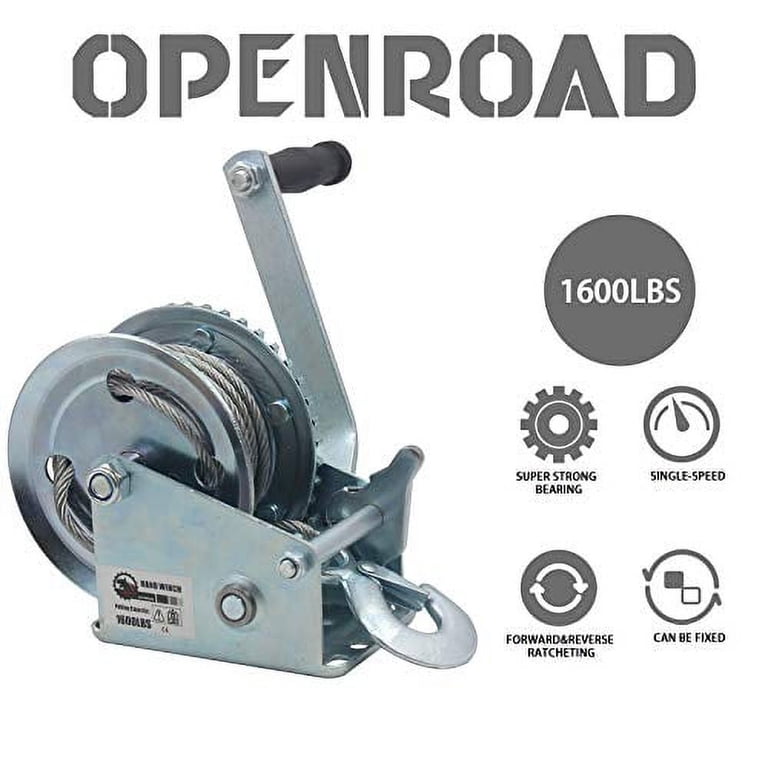
Manual winches use a hand crank to turn the drum. They work well for light to medium loads. Electric winches use a motor powered by a battery or power source. They handle heavier loads and require less effort.
Hydraulic winches use fluid pressure to turn the drum. They are very strong and used in tough jobs. Each type has strengths and fits different tasks and settings.
Using A Winch In Reverse
A winch is a tool designed to pull heavy loads using a cable or rope. Many users wonder if the winch can operate in reverse. Understanding this can help in tricky situations or when controlling the load differently.
Using a winch in reverse means letting out the cable while controlling the drum’s movement. This action helps manage the load smoothly and safely.
Is Reverse Operation Possible?
Yes, most electric and hydraulic winches can run in reverse. The motor inside can spin backward to release the cable. This function allows the operator to lower or ease heavy objects carefully.
Winches often have a control switch or remote that lets users change the direction quickly. The reverse mode is essential for precise control during unloading or positioning tasks.
Situations For Reverse Use
Reverse operation is useful when lowering a load slowly. It helps prevent sudden drops or damage to the object. For example, when lowering a vehicle from a steep hill, reversing the winch controls the descent.
Another situation is freeing a stuck cable. Running the winch backward can help rewind the line properly. It also helps in adjusting the cable tension after pulling.
Reverse use is critical in rescue operations or off-road recovery. It allows careful release of tension and safer handling of heavy loads.
Safety Tips For Reverse Winching
Using a winch in reverse requires careful attention to safety. This helps avoid accidents and damage to the equipment. Follow key safety tips to keep the winching process smooth and safe.
Avoiding Cable Damage
Check the cable for wear before use. Replace frayed or damaged cables immediately. Keep the cable tight and straight while winching. Avoid sharp bends or twists in the cable. Use a cable dampener to reduce snapback risks. Always spool the cable evenly onto the drum. This prevents kinks and tangles that cause damage.
Preventing Motor Overload
Do not exceed the winch’s rated capacity. Stop winching if the motor feels hot. Give the motor time to cool down between uses. Use short pulls instead of long, continuous ones. Monitor the power source to avoid voltage drops. Overloading can cause motor failure or fire. Proper care extends the winch’s life and ensures safety.
Maintenance When Operating In Reverse
Operating a winch in reverse needs special care. This helps keep the winch working well and avoids damage. Regular maintenance is important to make sure all parts work smoothly. It also keeps the winch safe to use.
Inspecting Components
Check all winch parts before and after using it in reverse. Look for cracks, bends, or worn-out pieces. Pay close attention to the cable, hooks, and gears. Replace any damaged parts right away. Small problems can turn into big troubles if ignored.
Lubrication And Care
Keep the winch parts well-lubricated to reduce friction. Use the right type of oil or grease for your winch model. Avoid over-lubricating as it can attract dirt and dust. Clean the winch regularly to remove debris. This helps the winch move smoothly and last longer.
Common Mistakes To Avoid
Using a winch in reverse might seem simple. Yet, many make mistakes that cause damage or injury. Avoiding common errors keeps the winch safe and effective. Understanding these mistakes helps you use the winch properly and extend its life.
Overloading The Winch
Pushing a winch beyond its weight limit is dangerous. Overloading causes the motor to strain and the cable to snap. Always check the winch’s capacity before use. Use a winch that matches the weight of the load. Overloading not only breaks the winch but risks your safety.
Ignoring Manufacturer Guidelines
Every winch comes with specific instructions. Ignoring these guidelines leads to wrong use and damage. Follow the manufacturer’s advice on how to reverse the winch. Use recommended cables and attachments only. Skipping this step can void warranties and cause accidents.

Credit: www.youtube.com
Alternative Methods To Reverse Winching
Alternative methods to reverse winching offer practical solutions for various situations. Sometimes, a winch cannot pull in reverse due to its design or power limits. Other tools and setups can help move loads backward safely and efficiently. These options provide flexibility without needing complex equipment.
Manual Winching Options
Manual winches use hand power to pull loads in either direction. These winches often have a ratchet or lever system for control. They work well for light to medium loads and allow slow, steady movement backward. Operators can stop and start easily, reducing risks during reverse winching.
Manual winches are compact and affordable. No electricity or batteries needed. Their simple design makes repairs easy. They suit outdoor tasks or places without power access. Using a manual winch requires physical effort but offers precise control over the load.
Using Pulley Systems
Pulleys multiply pulling force and change direction effectively. A block and tackle setup lets you reverse the load’s movement without heavy machinery. Combining ropes and pulleys can reduce effort and increase safety. It also enables smooth, controlled motion when winching backward.
This method is useful for heavy loads or tricky angles. Pulleys can spread the weight evenly and reduce strain on the winch. They help avoid damage to cables or anchors. Setting up pulleys takes time but improves efficiency and control in reverse winching tasks.
Credit: www.walmart.com
Frequently Asked Questions
Can A Winch Operate In Reverse Safely?
Yes, many winches can safely operate in reverse. This allows controlled lowering or backing up loads. Always check the winch’s manual to confirm reverse functionality and safety guidelines before use.
What Are The Benefits Of Using A Winch In Reverse?
Using a winch in reverse helps lower heavy loads gently and control movement. It prevents damage to the cable and ensures precise positioning. This feature adds versatility to your winching tasks.
How Do You Control A Winch When Used In Reverse?
Control a winch in reverse by using the remote or switch carefully. Maintain steady pressure and avoid sudden movements. Always monitor the load and cable tension to prevent accidents.
Are All Winches Designed For Reverse Operation?
Not all winches are designed for reverse use. Some models only pull loads forward. Always verify the specifications and manufacturer instructions to ensure your winch supports reverse operation.
Conclusion
A winch can be used in reverse, but with care. Not all winches are designed for this. Using it backward may cause damage or reduce its life. Always check the winch’s manual before trying. Safety should come first to avoid accidents.
Knowing how your winch works helps you use it right. This keeps your equipment safe and working well. So, use your winch wisely and stay safe.
![Read more about the article Roller Fairleads vs. Hawse Fairleads [Guide for Beginners]](https://autopartsguideline.com/wp-content/uploads/2021/10/winch-fairleads-300x198.webp)

