Have you ever wondered what a winch really is and why it’s so important in many industries? Whether you’re working on a construction site, fixing a boat, or just curious about tools, understanding the meaning of winch can open up new possibilities for you.
This simple device can make heavy lifting easier and safer, but there’s more to it than meets the eye. Keep reading to discover exactly what a winch is, how it works, and why it might be the tool you didn’t know you needed.
Your next project could depend on this!
What A Winch Is
A winch is a tool used to pull or lift heavy objects. It works by winding a rope or cable around a drum. This process helps move weight that is hard to handle by hand. Winches are common in many industries, such as construction, boating, and off-roading.
They make tough jobs easier and safer. Understanding what a winch is helps you see its value. Let’s explore the basic parts and types of winches.
Basic Components
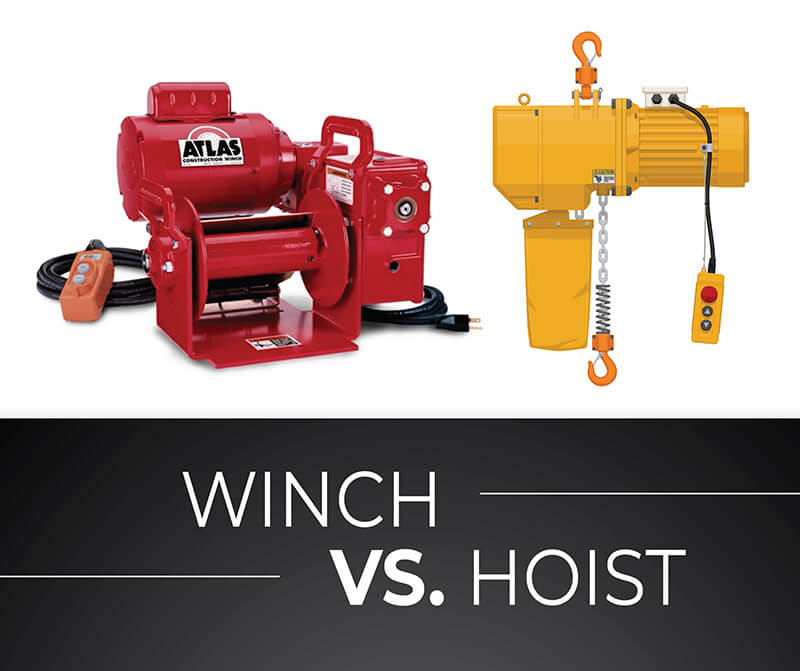
A winch has several key parts. The drum is where the rope or cable winds. A motor or hand crank powers the drum to turn. The rope or cable is the part that pulls or lifts objects. A brake holds the load in place when stopped. The frame supports all these parts and keeps them steady.
Types Of Winches
There are many types of winches. Electric winches use a motor powered by a battery. They are common on trucks and boats. Manual winches require hand power to turn the crank. They are simple and reliable for small jobs. Hydraulic winches use fluid pressure for strong pulling power. These are often used in heavy machinery. Each type fits different needs and uses.

Credit: m.acronymsandslang.com
How Winches Work
A winch is a tool that pulls or lifts heavy things using a rope or cable. It works by turning a handle or motor to wind the rope around a drum. This simple device makes moving heavy loads easier and safer.
Mechanical Principles
A winch works by winding a rope or cable around a drum. This drum turns to pull or lift heavy objects. The core idea is simple: using a small force to create a larger one. This happens through mechanical advantage. Gears inside the winch help increase force. They allow you to move heavy loads with less effort. The drum’s rotation pulls the cable evenly. This stops the load from slipping or falling. A brake system often holds the load in place. It keeps the load secure when the winch stops.
Power Sources
Winches can be powered in different ways. Manual winches use a hand crank to turn the drum. This type is common for light tasks. Electric winches use motors powered by batteries or electricity. They are faster and need less effort. Hydraulic winches use fluid pressure to create force. These are strong and used in tough jobs. Pneumatic winches use air pressure for power. They are common in industrial settings. Each power source fits specific needs and jobs.
Common Winch Applications
Winches are useful tools found in many areas of daily work and adventure. They help move heavy loads with less effort. Different industries and activities use winches in unique ways. Understanding these common uses shows how versatile winches really are.
Off-road And Vehicle Recovery
Winches help drivers get stuck vehicles out of mud, sand, or snow. They attach to a strong point and pull the vehicle free. Many off-road vehicles have winches installed for emergencies. These winches save time and prevent damage during recovery.
Marine Uses
Winches on boats control anchors and sails. They make raising or lowering anchors easier and safer. Sailors also use winches to adjust sail tension quickly. Winches improve safety and efficiency on the water.
Industrial And Construction Tasks
Factories and construction sites use winches to lift and move heavy materials. They handle steel beams, machinery, and other large objects. Winches reduce the need for many workers to carry heavy loads. This speeds up work and lowers injury risks.
Entertainment And Event Setup
Winches help set up stages and lighting equipment for concerts and events. They lift heavy trusses and speakers into place. Using winches makes setup faster and safer. This ensures events run smoothly and on time.

Credit: en.wikipedia.org
Choosing The Right Winch
Choosing the right winch is important for safe and efficient work. The winch must match the task and environment. Picking the wrong winch can cause damage or accidents. Consider the load, cable type, and power source before buying. These factors affect performance and durability.
Load Capacity Considerations
Check the winch’s load capacity before use. It shows how much weight the winch can pull. Choose a winch with a capacity higher than your heaviest load. This keeps the winch safe and prevents breakdowns. Never use a winch near or above its limit. Safety is always the top priority.
Cable Vs. Synthetic Rope
Winches use either steel cable or synthetic rope. Steel cables are strong and long-lasting. They resist heat and abrasion well. Synthetic ropes are lighter and easier to handle. They do not rust and float on water. Each type has pros and cons. Pick one based on your work needs and environment.
Manual Vs. Electric Winches
Manual winches require physical effort to operate. They are simple and cost less. Electric winches use a motor to pull loads. They work faster and need less effort. Choose manual for small jobs or remote areas. Electric suits heavy loads and frequent use. Consider power availability and job size.
Safety Tips For Winch Operation
Winches are powerful tools used to pull or lift heavy loads safely. Proper use is crucial to avoid accidents and injuries. Following safety tips ensures smooth and safe operation every time you use a winch.
Proper Setup
Always check the winch and cable before use. Make sure the winch is mounted securely. Use a strong anchor point that can handle the load. Keep the cable straight and free of knots or kinks. Wear gloves to protect your hands while handling the cable. Clear the area of bystanders before starting the winch. Never exceed the winch’s rated capacity.
Handling Techniques
Stand clear of the cable during operation. Avoid standing directly in line with the cable. Use a winch remote or control from a safe distance. Keep fingers away from the cable and fairlead. Pull the load slowly and steadily to avoid sudden jerks. Stop if the cable binds or becomes damaged. Communicate clearly with others involved in the operation.
Maintenance Practices
Inspect the winch regularly for wear or damage. Clean the cable and winch drum after use. Lubricate moving parts to prevent rust and wear. Replace worn or damaged cables immediately. Test the winch before each use to ensure it works correctly. Store the winch in a dry place to avoid corrosion. Follow the manufacturer’s maintenance schedule and guidelines.
Credit: thern.com
Innovations In Winch Technology
Winch technology has seen many improvements over the years. These changes help users work more safely and easily. Advances in design and materials make winches stronger and smarter. New features improve control and durability, making winches more reliable for tough jobs.
Smart Winches
Smart winches come with sensors and software. These tools monitor the winch’s performance in real time. They can stop the winch if there is too much load or a risk of failure. This helps avoid accidents and damage. Smart winches also provide data for maintenance to keep the winch in good shape.
Remote Controls
Remote controls allow users to operate the winch from a distance. This increases safety by keeping people away from moving parts. Remote systems are easy to use and improve precision. Users can control speed and direction without touching the winch. This makes work faster and safer.
Enhanced Durability Features
Modern winches use stronger materials like stainless steel and high-grade alloys. These resist rust and wear in harsh conditions. Seals and covers protect internal parts from dirt and water. Some winches also have better heat management to avoid overheating. These features extend the winch’s life and reduce repair costs.
Frequently Asked Questions
What Is A Winch Used For?
A winch is a mechanical device used to pull or lift heavy loads. It uses a rope or cable wound around a drum. Winches are common in towing, construction, and marine industries. They help move objects that are too heavy to lift manually.
How Does A Winch Work?
A winch works by winding a cable or rope around a rotating drum. When powered, the drum spins, pulling the cable in or letting it out. This action allows the winch to lift or drag heavy objects safely and efficiently.
What Types Of Winches Are There?
There are mainly three types: electric, hydraulic, and manual winches. Electric winches use motors, hydraulic winches use fluid power, and manual winches rely on hand cranks. Each type suits different applications based on power needs and usage conditions.
Where Are Winches Commonly Used?
Winches are commonly used in off-road vehicles, boats, construction sites, and rescue operations. They help recover stuck vehicles, lift heavy equipment, and perform controlled pulling tasks. Their versatility makes them essential in many industries.
Conclusion
A winch helps lift or pull heavy objects easily. It uses a strong rope or cable wrapped around a drum. People use winches in many places, like boats, trucks, and construction sites. Knowing what a winch does makes tasks safer and faster.
Now, you can see why winches are important tools. They save effort and time in many jobs. Understanding this simple device can help you in different situations.


