Have you ever wondered what the full meaning of “winch” is and why it matters? Whether you’re into boating, construction, or just curious about tools, understanding a winch can make a big difference.
This simple device can save you time, effort, and even prevent accidents. By the end of this article, you’ll not only know what a winch is but also how it works and why it’s so useful in everyday tasks. Keep reading to discover the power behind this often overlooked tool and how it can help you in your projects.
Credit: thern.com
Winch Basics
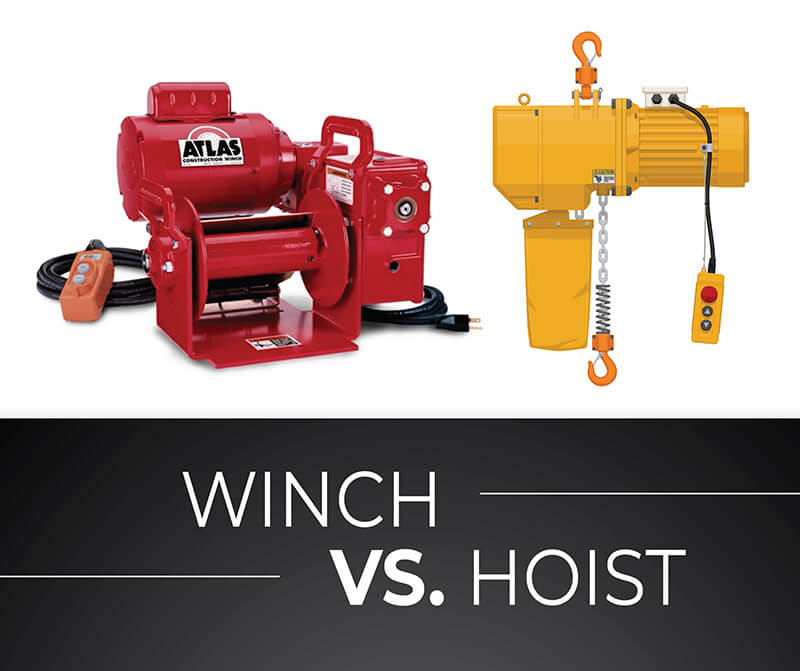
A winch is a device used to pull or lift heavy objects. It usually has a rope or cable wound around a drum. This tool helps move loads easily by turning a handle or using a motor.
Origin Of The Word
The word “winch” has roots in old languages. It comes from the Middle English word “wincchen.” This word was linked to tools used for winding or pulling.
Its origin traces back to Old French and possibly to Latin. The history shows the tool’s long use in lifting and moving heavy objects.
Core Definition
A winch is a mechanical device. It helps pull or lift heavy loads using a rope or cable.
This device uses a drum or spool that rotates. When turned, it winds the rope or cable in or out.
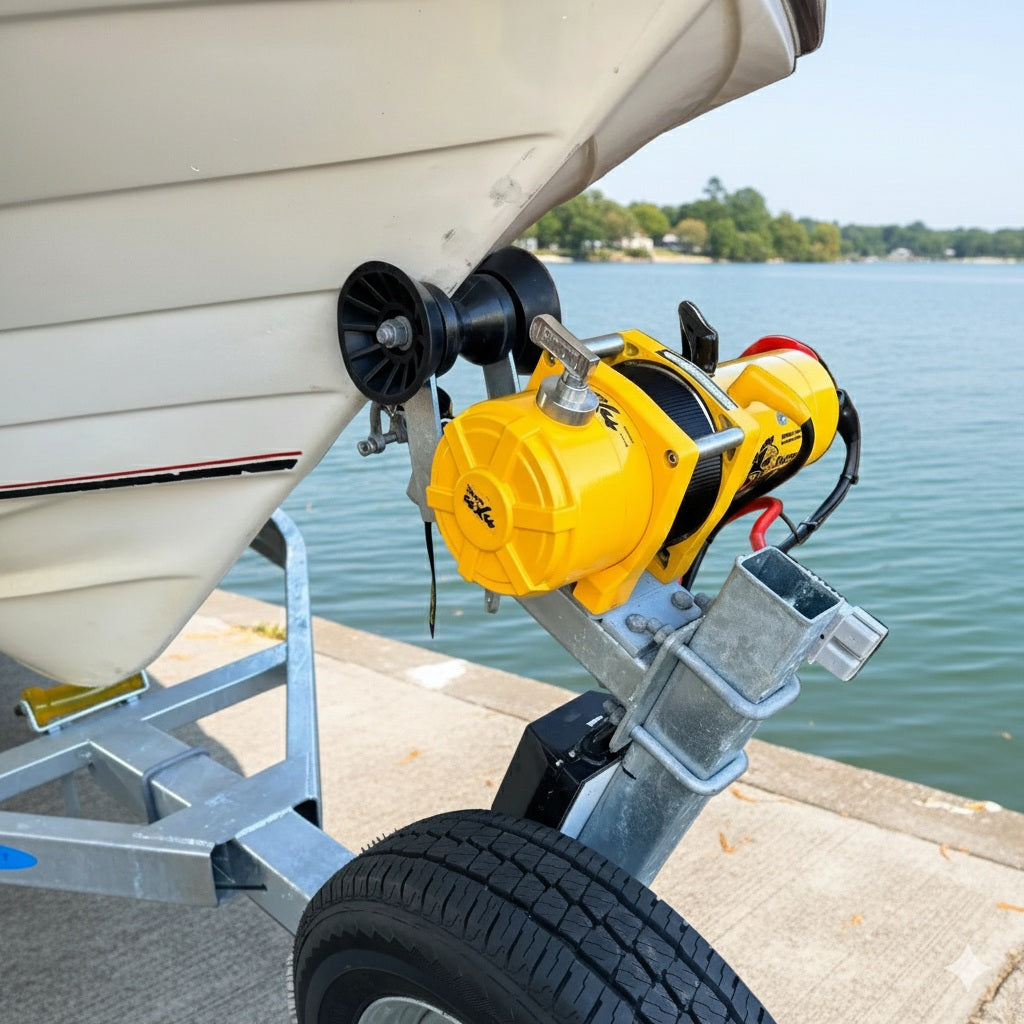
Winches are common in many areas. They appear in boats, off-road vehicles, and construction sites.
The main goal is to make hard work easier and safer.
Credit: sherpa4x4.com
Types Of Winches
Winches come in different types. Each type suits a special job. Knowing the types helps you pick the right winch.
Winches vary in power source and use. Some are simple, some need electricity or fluids. The choice depends on the task and place.
Manual Winches
Manual winches work by hand. You turn a handle or crank. They need no power or fuel. Manual winches are simple and light. They fit small jobs or places without power.
Electric Winches
Electric winches use batteries or power plugs. They pull heavy loads with more strength. Electric winches work fast and need less effort. They are common for vehicles and workshops.
Hydraulic Winches
Hydraulic winches use fluid pressure to pull. They are strong and reliable. These winches work well in tough conditions. Hydraulic winches fit heavy machines and industry use.
Pneumatic Winches
Pneumatic winches use compressed air for power. They work in places with air systems. Pneumatic winches are clean and safe. They fit well in factories and mines.
How Winches Work
A winch is a tool that pulls or lifts heavy objects using a rope or cable. It works by turning a drum to wind the rope, creating strong pulling force. The full meaning of winch relates to this simple but powerful mechanical device.
Mechanical Components
A winch has several key parts that work together. The main part is the drum, which holds the cable or rope. When the drum turns, it winds or unwinds the cable. Gears connect to the drum and help increase force. The gears allow the winch to pull heavy loads with less effort. A brake system stops the drum from spinning freely. This keeps the load in place when the winch is not moving.
Power Sources
Winches use different power sources to turn the drum. Some winches are manual and use a hand crank. This type is simple and does not need fuel or electricity. Electric winches run on batteries or electric power. They are easier to use and faster than manual ones. Hydraulic winches use fluid pressure to create strong pulling power. These are common in heavy-duty work like towing or construction.
Operation Process
Operating a winch starts by attaching the cable to the load. The operator then activates the power source. The drum begins to turn and pulls the cable in. This moves the load closer or lifts it. The operator controls the speed and direction of the drum. When the load reaches the desired spot, the brake holds it steady. This process allows safe and controlled movement of heavy objects.

Credit: messagesstar.com
Common Uses Of Winches
Winches are powerful tools used to pull or lift heavy loads. They help move objects that are too heavy for people to handle alone. Winches find uses in many fields because of their strength and reliability. Below are some common ways winches are used.
Industrial Applications
Factories use winches to move heavy machinery and equipment. Winches help lift parts during assembly or repair. They also pull materials along conveyor belts. This saves time and reduces worker strain. In warehouses, winches assist in stacking large items safely.
Off-road And Vehicle Recovery
Off-road drivers use winches to get stuck vehicles out of mud or sand. Winches pull the vehicle to solid ground quickly. Emergency responders also rely on winches for vehicle recovery. They provide a safe, controlled way to rescue cars from tough spots.
Marine And Boating
Winches on boats help manage sails and anchor chains. They make it easier to raise sails or anchor heavy loads. Fishermen use winches to haul in fishing nets and traps. Winches improve safety and control in rough waters.
Construction And Heavy Lifting
Construction sites use winches to lift building materials to higher floors. Winches pull heavy beams and tools into place. They reduce the need for manual lifting and speed up work. Cranes often use winches to control loads precisely.
Choosing The Right Winch
Choosing the right winch is important for safety and efficiency. A winch helps move heavy loads by pulling or lifting. Different tasks need different types of winches. Understanding key factors can help you pick the best one for your needs.
Consider the weight of the load, power source, and environment. These details affect how well the winch will work. Knowing these points can save time, money, and effort.
Load Capacity
Load capacity means how much weight the winch can pull or lift. Always choose a winch with a higher capacity than your heaviest load. This keeps the winch from breaking or wearing out fast. Check the maximum load rating before buying.
Power Requirements
Winches use different power sources such as electric, hydraulic, or manual. Electric winches work well for light to medium tasks. Hydraulic winches are strong and suited for heavy-duty work. Manual winches are simple and need no power but require effort. Match the power type to your job and power availability.
Environment Considerations
Think about where you will use the winch. Wet or dusty places need winches with good protection. Saltwater areas need rust-resistant winches. Cold weather can affect battery-powered winches. Choose a winch built for your environment to last longer and work better.
Safety Tips
Using a winch can be risky without the right safety steps. Following safety tips helps prevent accidents and keeps everyone safe. This section covers key safety points for winch users.
Proper Usage
Always read the winch manual before use. Check the weight limit and do not exceed it. Secure the winch hook properly to the load. Keep hands and clothes away from the cable. Use gloves to protect your hands. Never stand near a stretched cable. Stay clear of the load path during operation.
Maintenance Practices
Inspect the winch regularly for damage or wear. Look for frayed cables, loose bolts, and rust. Clean the winch after use to remove dirt and moisture. Lubricate moving parts as recommended in the manual. Replace damaged cables or parts immediately. Keep the winch covered when not in use. Regular maintenance extends the winch’s life and ensures safety.
Avoiding Common Hazards
Do not use a winch in bad weather like heavy rain or snow. Avoid using a damaged or worn cable. Keep bystanders away from the winching area. Do not use a winch for lifting people. Avoid sudden starts and stops to prevent cable snap. Use a winch dampener to reduce recoil risk. Always stay alert and focused while operating the winch.
Frequently Asked Questions
What Is The Full Meaning Of Winch?
A winch is a mechanical device used to pull or lift heavy loads. It consists of a drum, cable, and crank. Winches provide controlled tension to move objects safely and efficiently. They are commonly used in vehicles, construction, and marine applications.
How Does A Winch Work?
A winch works by winding a cable around a drum. Turning the drum pulls or lifts the load attached to the cable. The device uses mechanical advantage to handle heavy weights with minimal effort. Power sources can be manual, electric, or hydraulic.
What Are Common Uses Of A Winch?
Winches are used for towing vehicles, lifting heavy equipment, and securing loads. They help in off-road recovery, construction projects, and marine operations. Winches improve safety and efficiency when moving or lifting heavy objects.
What Types Of Winches Exist?
There are manual, electric, hydraulic, and pneumatic winches. Manual winches require hand cranking, while electric and hydraulic ones use motors. Each type suits different tasks based on load capacity and power availability.
Conclusion
A winch is a simple tool that helps lift or pull heavy things. It uses a strong rope or cable wrapped around a drum. People use winches in many places, like boats, trucks, and construction sites. Knowing the full meaning of winch helps you understand how it works.
It is an important device for moving heavy loads safely and easily. Now, you can recognize a winch and its basic purpose. This knowledge can be useful in many everyday situations.


