Are you sure your winch brake is working properly? A faulty brake can lead to serious accidents and costly repairs.
Knowing how to make a winch brake test is essential for your safety and the smooth operation of your equipment. You’ll discover simple, step-by-step methods to check your winch brake effectively. By the time you finish reading, you’ll feel confident that your winch is ready to handle any load without slipping or failure.
Don’t leave your safety to chance—let’s get your winch brake tested right now.
Credit: alatas.com
Winch Brake Basics
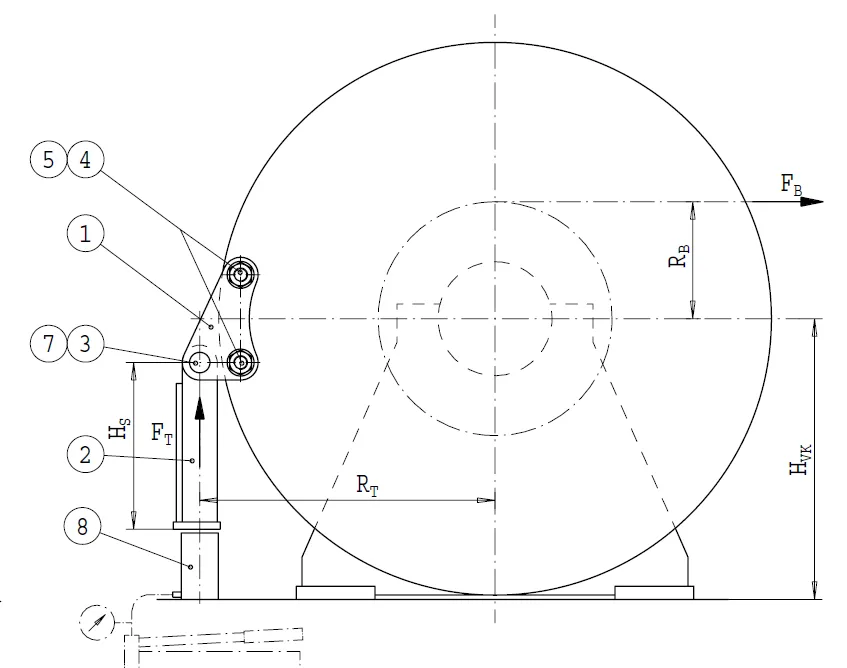
Testing a winch brake ensures it holds loads safely. Start by applying a load, then check if the brake stops movement. Repeat the test to confirm consistent brake performance.
Types Of Winch Brakes
Winch brakes control the movement of the winch drum. They stop or hold the load safely. There are two main types of winch brakes: mechanical and hydraulic.
Mechanical brakes use friction to stop the drum. They often have brake pads or shoes pressing on a drum or disc. These brakes are simple and reliable.
Hydraulic brakes use fluid pressure to control the drum. They offer smooth and precise stopping power. These brakes are common in heavy-duty winches.
Some winches combine both types for better safety. Knowing the type helps in testing and maintenance.
Importance Of Brake Testing
Brake testing ensures the winch brake works correctly. It checks if the brake can hold the load safely. Testing prevents accidents and equipment damage.
Regular brake testing finds wear or faults early. It helps avoid sudden failures during use. Testing also keeps the winch compliant with safety rules.
Safe winch operation depends on a strong brake system. Testing is a key step in winch maintenance routines.
Tools And Equipment Needed
Performing a winch brake test requires specific tools and equipment. These tools ensure accurate results and safe operation. Using the right tools prevents damage and keeps the test efficient. Always prepare your tools before starting the test.
Essential Testing Tools
A reliable load cell is crucial to measure the brake force. A calibrated dynamometer helps check the brake’s holding power. Use a strong rope or cable to connect the load cell. A winch control device allows smooth operation during the test. Have a sturdy anchor point or frame to secure the winch. A tape measure helps verify distances and setup accuracy.
Safety Gear Requirements
Wear safety gloves to protect your hands from rope burns. Safety goggles shield your eyes from debris and snapbacks. A hard hat prevents head injuries in case of falling objects. Wear sturdy boots to protect your feet during the test. High-visibility clothing keeps you noticeable on-site. Always have a first aid kit nearby for emergencies.
Preparing The Winch For Testing
Preparing the winch for testing is a crucial step to ensure accurate results. It helps identify any issues early and keeps everyone safe. Proper preparation can prevent accidents and extend the winch’s life.
Start by checking all parts of the winch. This helps spot damage or wear that could affect the test. Next, create a safe space around the winch. This area should protect people and equipment during the test.
Inspecting The Winch Components
Look closely at the winch drum, cable, and brake system. Check for cracks, rust, or frayed cables. Make sure the brake pads are not worn out. Test the control switches and wiring for damage. Tighten any loose bolts or screws. Replace parts that look damaged or worn. This step ensures the winch works correctly during the test.
Setting Up A Safe Testing Area
Clear the area around the winch of any obstacles. Mark the testing zone with cones or tape. Keep all bystanders far from the test site. Use barriers if possible to stop unauthorized access. Ensure the ground is stable and free of debris. Have emergency equipment nearby, like a fire extinguisher. Good safety setup reduces risks during the brake test.

Credit: knowledgeofsea.com
Step-by-step Brake Test Procedure
Performing a winch brake test ensures the safety and reliability of your equipment. This step-by-step guide helps you test the brake correctly. Follow each stage carefully to avoid mistakes and keep your work safe.
Initial Brake Engagement Check
Start by inspecting the brake for any visible damage. Turn on the winch and engage the brake slowly. Listen for unusual sounds and check if the brake holds the drum firmly. Make sure the brake stops the winch immediately when released.
Load Application And Monitoring
Attach a test load that matches the winch’s rated capacity. Slowly apply the load to the winch drum. Watch the winch and brake for any slipping or unusual movement. Keep the load steady and observe the brake’s response closely.
Measuring Brake Holding Capacity
Use a force gauge or load cell to measure the holding power. Increase the load gradually until the brake slips or fails. Record the maximum load the brake holds without slipping. Compare this with the manufacturer’s specifications for safety.
Recording Test Results
Write down all measurements and observations clearly. Note the test date, load applied, and any irregularities. Keep these records for future reference and safety audits. Proper documentation helps track the brake’s condition over time.
Common Issues And Fixes
Winch brakes are vital for safety and control during operation. Problems with the brake can cause serious issues. Recognizing common problems helps keep the winch working well. Fixes are often simple and save time and money. This section covers typical brake issues and how to fix them.
Brake Slippage Causes
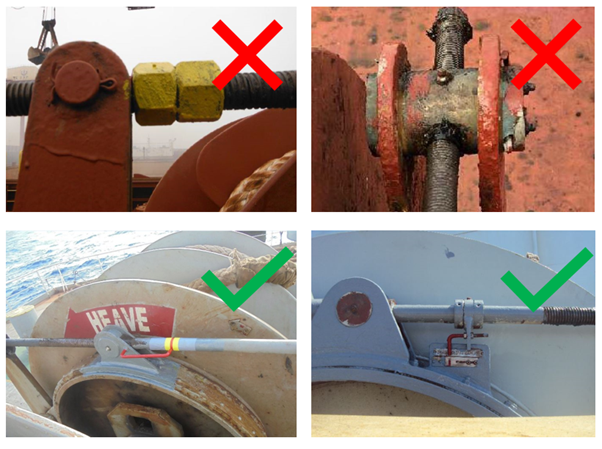
Brake slippage means the brake does not hold firmly. This can happen if the brake pads are worn out or dirty. Oil or grease on the brake parts also causes slipping. Another cause is a loose brake drum or weak springs. Identifying the cause is key to fixing the problem.
Adjusting Brake Tension
Brake tension controls how tightly the brake grips. If the tension is too low, the brake slips. Too much tension can cause wear and damage. Adjust the tension by tightening or loosening the brake spring. Use the winch manual for specific instructions. Test the brake after adjustment to ensure it holds well.
Replacing Worn Brake Parts
Brake parts wear out over time and need replacement. Common parts to check include brake pads, springs, and drums. Worn pads reduce braking force and cause slippage. Springs lose tension and fail to hold the brake tight. Replace parts with original or compatible ones. Regular inspection helps catch wear early.
Credit: rightship.com
Safety Tips During Brake Testing
Testing a winch brake is a critical task that demands focus on safety. Without proper precautions, accidents can happen quickly. Observing safety tips helps protect workers and equipment during the test. This section highlights key safety steps to follow.
Avoiding Hazards
Clear the test area of all non-essential personnel. Check the winch and brake system for visible damage before starting. Use personal protective equipment like gloves and helmets. Ensure the winch is properly anchored and stable. Keep hands and clothing away from moving parts. Watch for loose cables or broken components. Maintain a safe distance from the load during testing.
Emergency Procedures
Know the location of emergency stop buttons and switches. Train all workers on how to shut down the winch quickly. Keep a first aid kit nearby and know basic first aid steps. Have a clear plan for calling emergency services if needed. Communicate clearly with the team throughout the test. Stop the test immediately if any unsafe conditions arise. Report all incidents, even minor ones, to supervisors.
Maintaining Winch Brakes After Testing
Maintaining winch brakes after testing keeps your equipment safe and reliable. Regular care helps avoid sudden failures and extends brake life. This section explains easy steps to follow after testing your winch brakes. Proper maintenance ensures smooth and safe winch operation every time.
Routine Inspection Schedule
Set a regular schedule to check your winch brakes. Inspect the brake pads for wear or damage. Check for loose parts or unusual noises during brake operation. Look for signs of rust or corrosion on brake components. Record inspection results to track brake condition over time. Replace worn parts promptly to keep brakes effective. Inspections every 30 days work well for frequent use.
Lubrication And Cleaning Tips
Clean brake parts to remove dust and debris after each test. Use a soft brush or cloth for gentle cleaning. Avoid harsh chemicals that can damage brake materials. Apply lubricant to moving parts like shafts and pivots. Use lubricants recommended by the winch manufacturer. Too much lubricant can attract dirt, so apply sparingly. Clean and lubricate parts regularly to keep brakes working smoothly.
Frequently Asked Questions
What Is A Winch Brake Test?
A winch brake test checks the braking system’s effectiveness. It ensures the winch stops and holds loads safely. Regular testing prevents accidents and equipment damage. It is essential for compliance with safety standards in lifting operations.
How Often Should Winch Brake Tests Be Done?
Winch brake tests should be conducted regularly, typically every 6 to 12 months. Frequency depends on usage intensity and manufacturer recommendations. Frequent testing ensures the brake system remains reliable and safe during operations. Always follow your local safety regulations.
What Tools Are Needed For A Winch Brake Test?
Common tools include a load cell, test weights, and a brake force gauge. These tools measure brake holding capacity and performance accurately. Proper tools help identify brake wear or failure early. Using calibrated equipment ensures test accuracy.
Who Should Perform A Winch Brake Test?
A qualified technician or trained professional should perform the test. They must understand winch mechanics and safety protocols. Proper training ensures accurate testing and prevents equipment damage. Always verify credentials before assigning this task.
Conclusion
Performing a winch brake test keeps your equipment safe and reliable. Always follow the steps carefully to avoid mistakes. Regular testing helps catch problems early and prevents accidents. Use the right tools and check the brake’s response every time. Remember, safety depends on your attention and care.
Stay consistent with testing to protect both people and machines. Simple actions make a big difference in winch operation. Keep your worksite safer with proper brake checks today.


