Are you trying to figure out the difference between a hoist and a winch? You’re not alone.
These two tools might seem similar, but knowing how they differ can save you time, money, and even prevent accidents. Whether you’re working on a construction site, managing heavy equipment, or just curious, understanding their unique features will help you choose the right tool for your needs.
Keep reading, and by the end, you’ll be confident about when to use a hoist and when a winch is the better choice.
Credit: btstech.com.au
Basic Functions
Understanding the basic functions of hoists and winches helps clarify their differences. Both tools move heavy objects but serve distinct roles. Each has unique features tailored for specific tasks. Knowing their purposes aids in choosing the right equipment for a job.
Purpose Of A Hoist
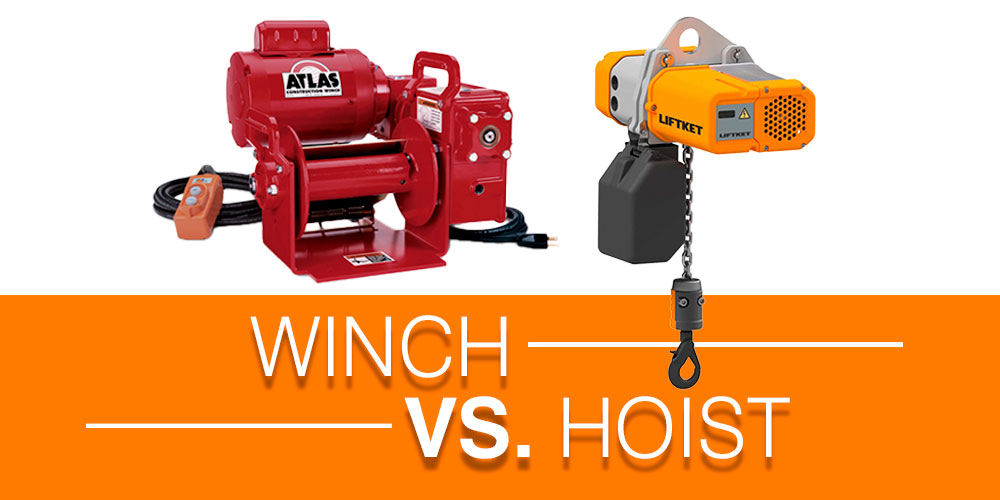
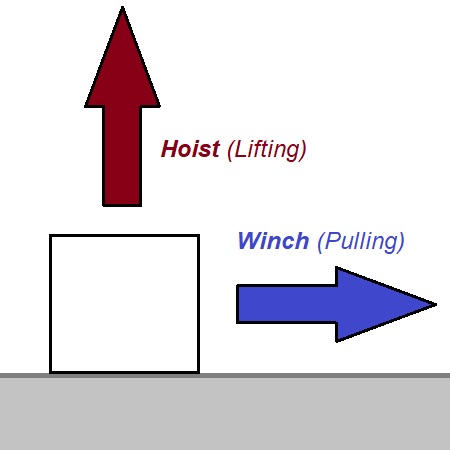
A hoist lifts heavy loads vertically. It raises and lowers objects with ease. Commonly used in construction and manufacturing sites. Hoists use chains, ropes, or cables to carry weight. They focus on moving items straight up or down. Hoists often hang from a beam or crane.
Purpose Of A Winch
A winch pulls or drags loads horizontally. It moves objects across surfaces or over distances. Winches use a spool and cable or rope. They help in towing, pulling boats, or moving vehicles. Winches work by winding the cable to draw objects closer. They are usually fixed to a solid base.
Design And Components
The design and components of hoists and winches define their function and use. Both machines move heavy loads, but their parts differ. Understanding these differences helps choose the right tool for each job.
Hoist Mechanism
A hoist lifts or lowers loads vertically. It usually has a drum or lift-wheel. A strong steel wire rope or chain wraps around it. The hoist uses a motor or manual force to turn the drum. This action pulls the rope or chain, raising the load.
Hoists include brakes to hold the load safely in place. They have hooks or slings to attach the load. The frame is sturdy to handle heavy weight. Controls allow smooth start, stop, and speed changes.
Winch Mechanism
A winch pulls or lets out rope horizontally or at an angle. It has a spool where the cable or rope winds. A motor or hand crank powers the spool’s rotation. This pulls or releases the rope to move objects.
Winches feature a strong drum and a gearbox for power. A ratchet or brake prevents the rope from slipping back. The design focuses on pulling power rather than lifting. Winches often have handles or switches for easy control.
Types And Variations
Hoists and winches come in many types. Each type serves a specific purpose and suits different tasks. Understanding the main types helps pick the right tool for the job. Below are common variations of hoists and winches used in various industries.
Common Hoist Types
Electric hoists use motors to lift heavy loads quickly and safely. They are popular in factories and workshops. Manual hoists work by hand, using a chain or lever. They are simple and cost-effective for light lifting. Pneumatic hoists run on compressed air, ideal for hazardous environments. They avoid sparks and provide smooth operation. Hydraulic hoists use fluid pressure to lift loads. They handle very heavy weights and work well in construction.
Common Winch Types
Electric winches use electric motors to pull or lift loads with power and speed. They often appear on trucks and boats. Manual winches need a person to crank the handle. They suit small tasks and light loads. Hydraulic winches use fluid pressure for strong pulling power. They are common on heavy equipment. Rope or cable winches use steel cables or synthetic ropes. Each type offers different strength and flexibility. Drum winches spool the cable onto a drum for neat storage and easy control.
Power Sources
Power sources play a key role in how hoists and winches operate. They determine the ease and speed of lifting or pulling heavy loads. Choosing the right power source depends on the task and environment. Some power options are better for small jobs, while others suit heavy-duty work.
Manual Vs Electric Hoists
Manual hoists use hand chains or levers for lifting. They need physical effort but offer precise control. Manual hoists work well in places without electricity or where power tools are unsafe.
Electric hoists run on motors powered by electricity. They lift loads faster and require less effort. Electric hoists fit larger jobs and frequent use, saving time and energy.
Manual Vs Electric Winches
Manual winches use a hand crank to pull loads. They offer simple and reliable operation for light tasks. Manual winches do not depend on power sources and are easy to maintain.
Electric winches use an electric motor to pull heavy loads quickly. They are ideal for tough jobs and save human strength. Electric winches work best in places with easy access to power.
Load Capacity And Usage
Load capacity and usage are key factors in choosing between a hoist and a winch. Both devices lift or pull heavy objects but work best in different settings. Understanding their load limits helps pick the right tool for the job.
Typical Load Limits For Hoists
Hoists usually handle heavier loads than winches. Common hoists lift between 500 pounds and 10 tons. Some industrial hoists can carry even more. They are designed to lift loads vertically with strong safety features. Hoists fit well in construction, factories, and warehouses.
Typical Load Limits For Winches
Winches often pull loads horizontally or at an angle. Their load limits range from 1,000 pounds to 20,000 pounds. Smaller winches serve light tasks, like moving vehicles or boats. Heavy-duty winches handle large loads in towing and off-road recovery. Winches focus on pulling power rather than lifting height.

Credit: gebuwin.com
Applications And Industries
Hoists and winches serve different roles in various industries. Both tools move heavy loads but in distinct ways. Understanding their applications helps choose the right equipment for the job. Each has unique strengths suited for specific tasks.
Where Hoists Are Used
Hoists often appear in construction sites. They lift heavy materials vertically. Factories use hoists to move parts during assembly. Warehouses rely on hoists to stack goods on high shelves. Shipyards use hoists to handle large ship components. Hoists help in mining to lift equipment and ore. They also find use in theaters to move stage scenery.
Where Winches Are Used
Winches pull loads horizontally or at an angle. They work on boats to control anchors and sails. Off-road vehicles use winches to pull through rough terrain. Logging operations pull trees with winches. Rescue teams use winches to pull vehicles or people. Winches also appear in construction to move heavy objects sideways. They help in cable installation by pulling wires through ducts.
Safety Considerations
Safety is a key concern when using hoists and winches. Both tools move heavy loads. They can cause serious injury if not handled properly. Understanding safety rules reduces risks. It helps protect operators and bystanders.
Each device has its own safety needs. Knowing these is important for safe operation. Operators should follow guidelines strictly. Regular checks keep equipment in good shape.
Hoist Safety Tips
- Inspect the hoist before every use.
- Check the load capacity and never exceed it.
- Ensure the load is balanced and secure.
- Use proper lifting techniques and keep clear of the load.
- Wear safety gear like gloves and helmets.
- Do not stand under a suspended load.
- Keep controls clean and dry for safe handling.
- Follow manufacturer instructions for maintenance.
Winch Safety Tips
- Verify the winch’s weight limit before use.
- Keep hands and body away from the cable.
- Use gloves when handling the cable.
- Make sure the cable is free of knots and damage.
- Secure the winch to a stable anchor point.
- Do not overload the winch or use it for unintended tasks.
- Stand clear of the cable path during operation.
- Inspect the winch regularly for wear and tear.
Maintenance And Longevity
Maintenance plays a key role in the life span of hoists and winches. Proper care keeps them safe and working well. Regular checks stop small issues from becoming big problems. This saves money and time over the long run.
Understanding the differences in their maintenance needs helps extend their use. Each device has unique parts that need attention. Knowing how to care for them ensures they last longer and perform better.
Maintaining Hoists
Hoists need frequent inspections of cables and hooks. Look for frays, cracks, or wear. Lubricate moving parts to prevent rust and stiffness. Check the motor and controls for proper function. Clean the hoist to remove dust and debris. Follow the manufacturer’s guide for regular servicing. Replace worn parts immediately to avoid accidents.
Maintaining Winches
Winches require checking the drum and cable for damage. Make sure the cable winds evenly and tightly. Grease the gears and bearings to reduce friction. Test the brake system often to ensure it holds well. Keep the winch free from mud and water. Use the recommended oil for the gearbox. Swap out any damaged components without delay.
Cost And Availability
The cost and availability of hoists and winches vary widely. Both tools serve different purposes, so their prices reflect their design and features. Understanding these differences helps in choosing the right equipment.
Pricing Factors For Hoists
Hoists usually cost more than winches. They are designed to lift heavy loads vertically. The lifting capacity affects the price. Electric hoists tend to be pricier than manual ones. Brands and build quality also impact costs. Industrial-grade hoists have higher price tags. Availability depends on the type and power source. You can find hoists in hardware stores or online shops.
Pricing Factors For Winches
Winches are generally less expensive than hoists. They pull loads horizontally or at an angle. The pulling capacity influences the price. Manual winches cost less than electric or hydraulic models. Size and brand affect the cost too. Winches are easy to find in many stores. They are popular for off-road and towing uses.
Credit: www.safetyliftingear.com
Choosing Between Hoist And Winch
Choosing between a hoist and a winch depends on the job you need done. Both tools lift or pull heavy loads but work differently. Picking the right one saves time and effort. It also keeps work safe and efficient.
Factors To Consider
Think about the load’s weight and size. Hoists are best for lifting heavy items straight up. Winches pull loads horizontally or at an angle. Consider the distance the load must move. Winches handle long pulls better than hoists.
Look at power sources too. Hoists often use electric or air power. Winches can be electric, hydraulic, or manual. Also, check the job’s environment. Wet or dusty places might need special equipment.
Making The Right Choice
Match the tool to your task’s needs. Use a hoist for vertical lifting tasks. Use a winch for pulling or dragging loads. Think about ease of use and safety features. Choose the tool that fits your work style and budget.
Frequently Asked Questions
What Is The Main Difference Between Hoist And Winch?
A hoist lifts loads vertically, while a winch pulls loads horizontally. Hoists use chains or ropes for lifting. Winches rely on cables or ropes for pulling and dragging heavy objects.
Where Are Hoists Commonly Used Compared To Winches?
Hoists are often used in construction and manufacturing for vertical lifting. Winches are common in towing, marine, and off-road applications for pulling loads horizontally.
Can Hoists And Winches Be Powered Differently?
Yes, both can be manual, electric, or hydraulic. Hoists typically use electric or manual power for lifting, while winches often use electric, hydraulic, or manual power for pulling.
Are Hoists Safer Than Winches For Lifting Tasks?
Hoists are generally safer for vertical lifting due to controlled load handling. Winches are designed mainly for pulling, making them less ideal for lifting heavy vertical loads safely.
Conclusion
Hoists and winches both help move heavy loads, but they work differently. Hoists lift objects straight up, while winches pull them horizontally. Knowing this difference helps you pick the right tool for your job. Choose a hoist for vertical lifting and a winch for pulling tasks.
Understanding these tools makes work safer and easier. Now, you can make better decisions on which one fits your needs best. Simple, clear, and effective.

![Read more about the article Parts Of A Winch Explained In Details [Everything You Must Know]](https://autopartsguideline.com/wp-content/uploads/2022/03/parts-of-winch-300x191.webp)