
Have you ever relied on your winch only to find it suddenly stopped pulling? It’s frustrating, especially when you need it the most.
You might feel stuck, unsure what went wrong or how to fix it quickly. But don’t worry—this problem is more common than you think, and there are simple steps you can take to get your winch working again. Keep reading, and you’ll discover easy tips to diagnose and solve the issue so your winch won’t let you down again.
Credit: veteranslegalaid.org
Common Reasons For Winch Failure
Winches are powerful tools for pulling heavy loads. They often stop working due to a few common problems. Knowing these issues helps you fix your winch faster and avoid long delays. Below are some frequent reasons why a winch might fail to pull.
Power Supply Issues
The winch needs a steady power source to work. Weak batteries or loose connections stop the winch from running. Check the battery charge and cables for rust or damage. A poor power supply means the winch motor cannot get enough energy.
Damaged Cable Or Rope
The cable or rope carries the pulling force. Wear, frays, or breaks in the cable stop the winch from pulling safely. Damaged cables increase the risk of snapping under load. Always inspect the cable for visible damage before use.
Motor Problems
The motor drives the winch drum. Overheating, worn brushes, or internal faults cause motor failure. A motor that hums but does not turn the drum needs repair. Keep the motor clean and avoid overloading the winch.
Control Switch Malfunctions
The control switch signals the winch to pull or stop. Faulty switches can cause no response or erratic operation. Dirt, moisture, or wear may damage the switch. Test the switch regularly and replace it if it fails to work properly.
Basic Troubleshooting Steps
When a winch stops pulling, the problem may be simple to fix. Basic troubleshooting helps find the cause fast. Follow these easy steps to check your winch before calling for help.
Each step focuses on a key part of the winch system. The goal is to spot issues that block the winch from working properly.
Checking The Battery And Connections
Start with the battery. A weak or dead battery can stop the winch. Use a voltmeter to check the battery charge. Look for loose or corroded battery terminals. Clean connections and tighten them if needed. Proper power flow is essential for the winch to pull.
Inspecting The Winch Cable
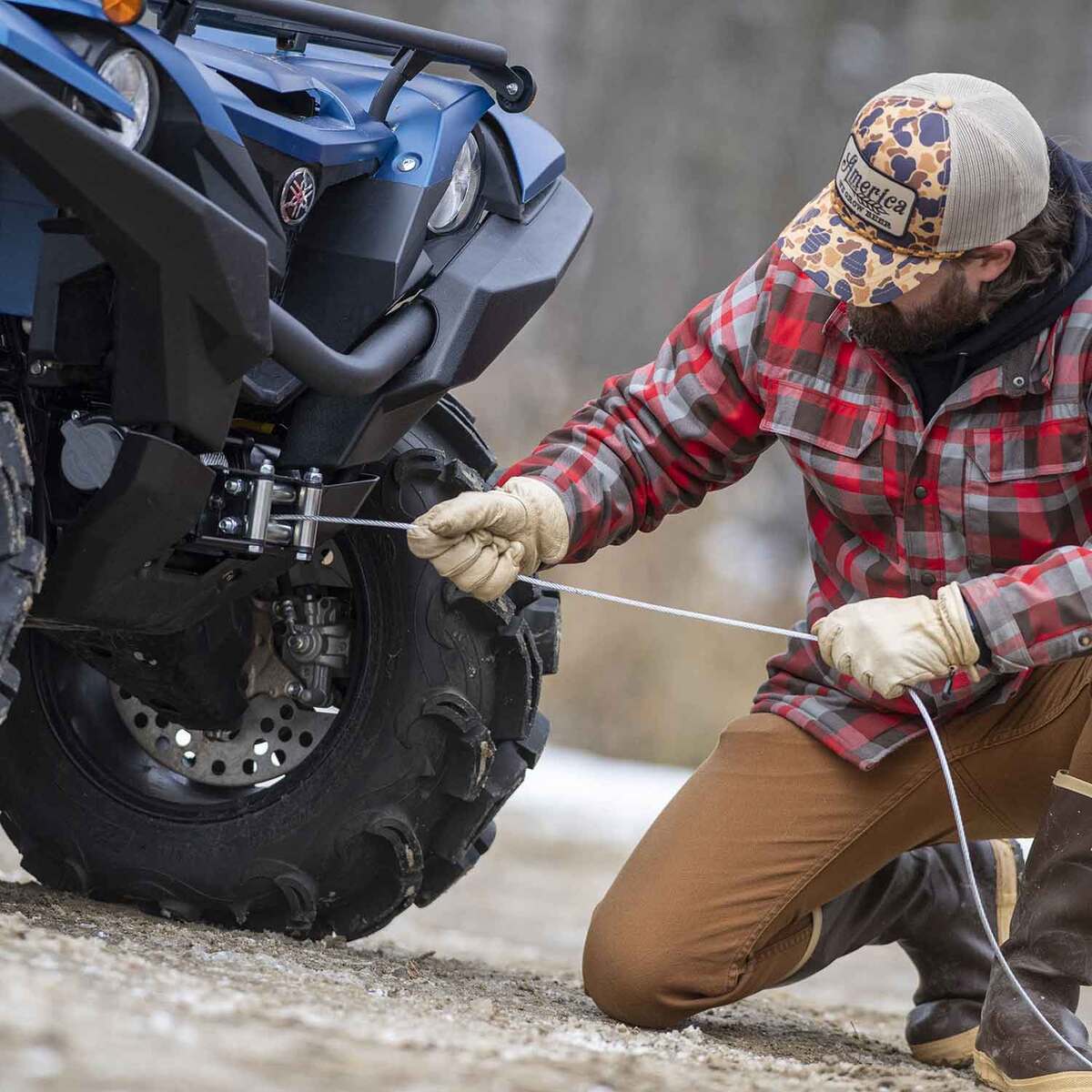
Next, look at the winch cable. See if it is tangled, frayed, or broken. Damaged cables can prevent the winch from pulling. Pull the cable out and rewind it smoothly. Replace the cable if you find any serious damage. A smooth cable helps the winch work well.
Testing The Control Switch
Check the control switch or remote next. The switch sends signals to the winch motor. Test the switch by pressing it and watching for any response. Look for broken wires or dirty contacts. Clean or replace the switch if it does not work correctly. A good switch ensures the winch follows your commands.
Listening For Motor Sounds
Finally, listen to the winch motor. Turn on the winch and hear if the motor runs. A quiet motor may mean no power or a stuck motor. A buzzing or grinding noise could show motor trouble. Motor sounds help identify if the winch motor is working or not.
Quick Fixes For Electrical Issues
Electrical problems often cause a winch to stop pulling. These issues are usually simple to fix. Quick repairs can get your winch working again fast. This section explains easy fixes for common electrical problems.
Cleaning Battery Terminals
Dirty or corroded battery terminals block power flow. Use a wire brush to clean the terminals. Remove all dirt and corrosion for a good connection. Apply a little petroleum jelly to stop future corrosion. Tighten the battery clamps firmly after cleaning.
Replacing Blown Fuses
A blown fuse stops electricity from reaching the winch. Find the fuse box and check the winch fuse. Replace any blown fuse with one of the same rating. Use only the correct fuse to avoid damage. Test the winch after replacing the fuse to see if it works.
Repairing Loose Wiring
Loose wires can cause power interruptions. Inspect all wiring connections near the winch. Tighten any loose wires or connectors carefully. Look for broken or damaged wires and replace them. Secure wires to avoid movement that causes loosening. Test the winch after fixing the wires to confirm the repair.

Credit: jmpatelcollege.com
Mechanical Repairs You Can Do
When a winch stops pulling, some simple mechanical repairs can often fix the problem. These repairs do not require special tools or advanced skills. Basic maintenance can bring your winch back to life quickly and safely. Here are a few common repairs you can try yourself.
Lubricating The Gearbox
The gearbox moves the winch drum smoothly. Dirt and old grease can cause it to jam. Apply a quality lubricant to the gears inside the gearbox. This reduces friction and wear. Regular lubrication helps keep your winch working well. Open the gearbox cover carefully before applying grease. Avoid over-lubricating, as excess can attract dirt.
Adjusting The Brake
The brake stops the winch drum from turning when not in use. If it is too tight, the winch may not pull properly. Too loose, and the drum may slip. Find the brake adjustment screw or bolt. Turn it slightly to loosen or tighten the brake. Test the winch after each adjustment. Small changes make a big difference in performance.
Replacing Damaged Cables
Cables wear out or fray over time. Damaged cables can stop the winch from pulling safely. Inspect the cable closely for cuts or broken strands. Replace the cable if you see damage. Use a cable designed for your winch model. Secure the new cable firmly to the drum. Check the cable regularly to avoid future issues.
When To Call A Professional
Knowing when to call a professional is key if your winch stops pulling. Some problems need expert help to avoid more damage. Simple fixes can wait, but serious issues require a trained technician.
Signs Of Motor Burnout
Burnt smell near the winch motor is a clear warning. The motor may stop working or run unevenly. Strange noises like grinding or screeching are common. A professional can diagnose and fix motor burnout safely.
Complex Electrical Failures
Electrical issues can be hard to spot and fix. Loose wires, blown fuses, or faulty switches cause problems. If the winch does not respond or works intermittently, call an expert. They use special tools to trace and repair electrical faults.
Severe Mechanical Damage
Bent gears, broken cables, or damaged drums stop your winch from pulling. These parts need careful inspection and repair. Attempting to fix serious mechanical damage alone can cause injury. Professionals have the right tools and skills to restore your winch safely.
Preventive Maintenance Tips
Preventive maintenance helps keep your winch working smoothly. Regular care stops problems before they start. This saves time and money on repairs. Follow simple steps to extend your winch’s life. Maintain safety and efficiency with easy habits.
Regular Inspection Routine
Check the winch often for wear and damage. Look at cables, hooks, and the drum closely. Tighten loose bolts and clean dirt or rust. Test the winch by running it without load. Spot small issues early to fix quickly. A simple routine keeps the winch ready.
Proper Storage Practices
Store the winch in a dry, clean place. Cover it to protect from dust and moisture. Avoid leaving the winch outside in harsh weather. Coil cables neatly to prevent kinks and breaks. Keep the winch away from chemicals or sharp objects. Good storage stops rust and damage.
Avoiding Overloading
Know your winch’s weight limit and never exceed it. Overloading causes the motor to strain and stop pulling. Use the right winch for the job size. Pull slowly and steadily to reduce stress. Overloading shortens the winch’s life and can cause accidents. Always follow the manufacturer’s guidelines.
Credit: www.polaris.com
Frequently Asked Questions
Why Did My Winch Stop Pulling Suddenly?
Your winch may stop pulling due to motor failure, blown fuse, or a damaged solenoid. Check electrical connections, inspect the fuse box, and test the motor for issues. Regular maintenance prevents unexpected failures.
How Can I Fix A Winch That Won’t Pull?
Start by checking the battery voltage and wiring. Inspect the solenoid and control switch for damage. Replace faulty parts and lubricate moving components. Follow your winch’s manual for detailed troubleshooting steps.
What Causes A Winch To Lose Pulling Power?
Low battery voltage, worn cables, or a damaged drum can reduce pulling power. Overheating or mechanical wear also impacts performance. Ensure proper maintenance and avoid exceeding your winch’s rated capacity.
Can A Stuck Winch Be Reset Easily?
Yes, many winches have a free-spool clutch to reset a stuck cable. Disengage the clutch, manually rewind the cable, and then re-engage. Always follow safety guidelines to prevent injury.
Conclusion
A winch that stops pulling can cause big problems. Check the power source first. Look for worn cables or broken gears. Keep your winch clean and well-oiled. Regular care helps avoid most issues. Small fixes often bring it back to life.
Don’t wait until it breaks completely. Stay safe and keep your gear ready. A working winch makes tough jobs easier. Simple steps can save you time and stress.


![Read more about the article How To Wire A Winch Without A Solenoid? [Step By Step Guide]](https://autopartsguideline.com/wp-content/uploads/2022/05/how-to-wire-a-winch-without-solenoid-300x184.webp)