
If you own an RV, you know how tricky it can be to get out of tight spots or uneven ground. That’s where a winch comes in handy.
But how do you use a winch in your RV, especially with the There Yet model? You might feel unsure or worried about making mistakes. Don’t worry—this guide will walk you through every step clearly and safely. By the end, you’ll feel confident handling your winch like a pro, making your travels smoother and more enjoyable.
Keep reading to learn how to make the most of your RV winch.
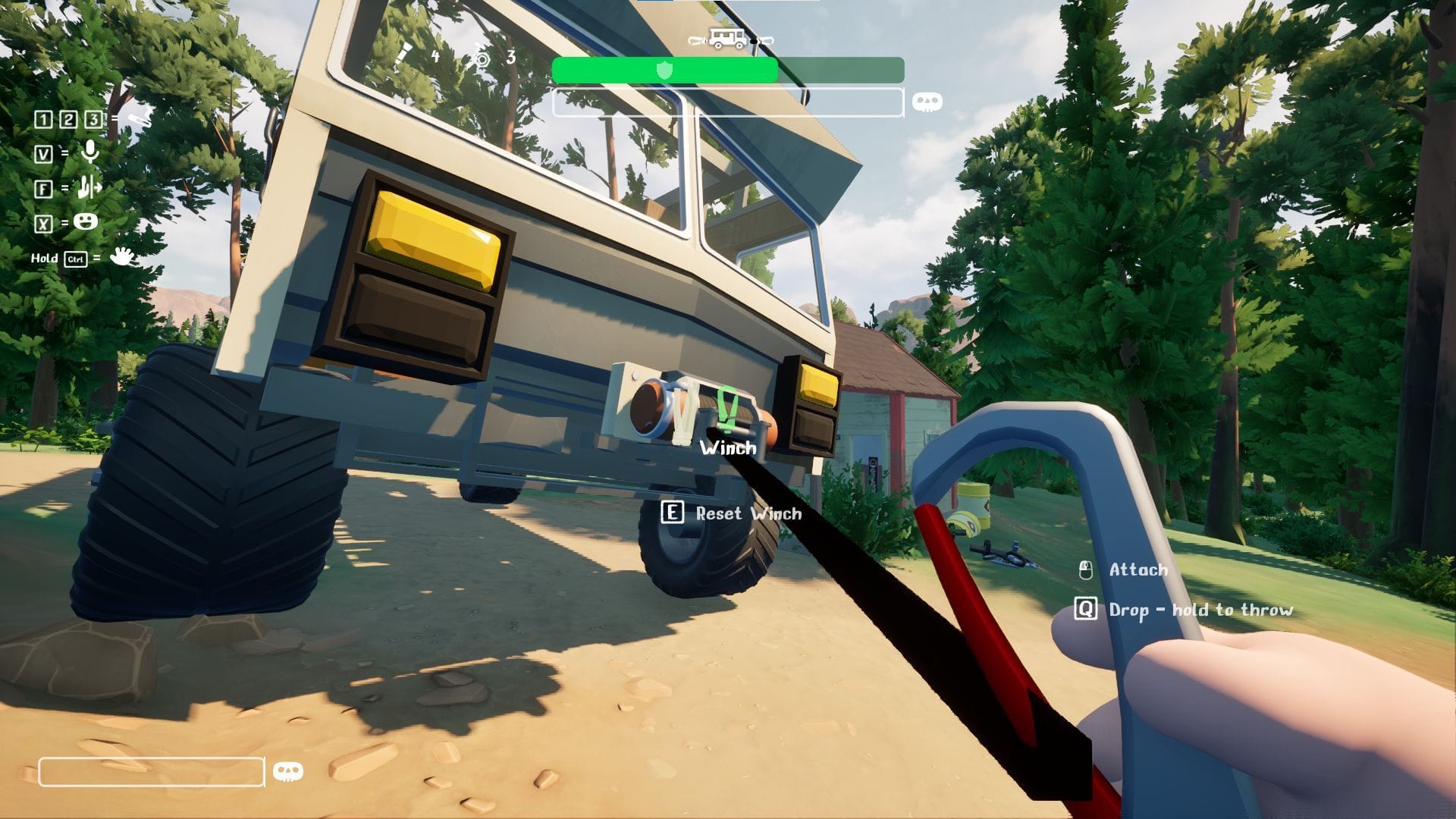
Credit: www.sportskeeda.com
Choosing The Right Winch
Choosing the right winch for your RV is important for safety and ease. A good winch helps you handle tough situations like stuck wheels or uneven terrain. You need to pick one that matches your RV’s size and weight. Understanding the types, capacity, and power source will guide your choice.
Types Of Winches For Rvs
There are three common types of winches for RVs: hand winches, electric winches, and hydraulic winches. Hand winches are simple and low-cost. They work well for light loads but require manual effort. Electric winches are popular because they are easy to use and fast. Hydraulic winches are strong and great for heavy-duty tasks. They need a hydraulic system on your RV.
Winch Capacity And Rating
Winch capacity shows how much weight it can pull. Always choose a winch with a capacity at least 1.5 times your RV’s weight. This extra power helps in tough spots. Check the rating for pulling power and durability. A higher rating means better performance and safety. Don’t use a winch with too low capacity. It can break or fail during use.
Electric Vs Hydraulic Winches
Electric winches run on your RV’s battery. They are easy to install and operate with a switch or remote. Their power is enough for most RV needs. Hydraulic winches use your RV’s hydraulic system. They provide more power and last longer under heavy use. Hydraulic winches are quieter but need more setup. Choose based on your RV’s power options and how often you plan to use the winch.
Preparing Your Rv For Winching
Preparing your RV for winching is a key step to ensure safety and success. It helps avoid damage to your vehicle and prevents accidents. Taking the time to prepare will make the winching process smoother and safer.
This preparation involves checking your equipment, setting secure anchor points, and wearing the right safety gear. Each part plays a crucial role in protecting you and your RV.
Inspecting The Winch And Cables
Start by examining the winch carefully. Look for any signs of wear or damage on the cable or rope. Frays, rust, or broken strands can cause failure during use. Check the winch drum for smooth operation and any unusual sounds. Ensure the electrical connections are tight and clean. Proper inspection helps prevent accidents and equipment failure.
Setting Up Anchor Points
Select strong anchor points before winching your RV. Trees, large rocks, or heavy vehicles can serve as anchors. Avoid weak or unstable objects that might give way. Attach the winch hook securely to the anchor. Use a tree saver strap to protect trees and improve grip. A solid anchor point holds the load and keeps the winching process safe.
Safety Gear And Precautions
Wear protective gloves to avoid rope burns and cuts. Eye protection shields you from snapping cables or flying debris. Keep bystanders at a safe distance from the winch line. Never stand directly behind or in line with the cable under tension. Use a winch dampener to reduce recoil if the cable breaks. Safety gear and careful steps protect you during winching.
Step-by-step Winch Operation
Using a winch on your RV can help you move heavy loads safely. Follow these steps to operate the winch with ease. This guide breaks down each action clearly.
Connecting The Winch To The Load
First, find a strong point on the load to attach the winch cable. Use a hook or a shackle to secure the cable tightly. Check that the connection is firm and won’t slip. Never attach the winch cable to a weak or unstable part.
Operating The Winch Controls
Locate the winch control switch or remote. Start the winch slowly to take up slack in the cable. Use short bursts to avoid overheating the motor. Keep your hands clear of the cable and drum. Stop and check the cable tension regularly.
Monitoring The Winching Process
Watch the load closely as it moves. Make sure the cable winds evenly on the drum. Listen for any unusual sounds from the winch. Stop immediately if the cable frays or slips. Keep the area clear of people during operation.

Credit: rvthereyet.space
Handling Common Winching Challenges
Using a winch in an RV can be tricky. It demands care and attention to avoid problems. Knowing how to handle common winching challenges makes the job safer and smoother. This section covers key tips for managing typical issues during winching.
Dealing With Uneven Terrain
Uneven terrain causes the winch cable to pull at odd angles. This stress can damage the cable or the winch. Always place the RV on as flat ground as possible before winching. Use boards or rocks to level the tires if needed. Keep the cable straight and avoid sharp bends. This helps the winch work efficiently without strain.
Avoiding Cable Snags And Breaks
Cable snags happen when the wire rope catches on rough surfaces or objects. Snags weaken the cable and can cause breaks. Always inspect the cable before use for frays or kinks. Pull the cable slowly and evenly to prevent sudden jerks. Use a cable dampener or heavy blanket to reduce recoil risks if the cable snaps.
Winching In Wet Or Slippery Conditions
Wet or slippery surfaces reduce traction and control. This makes winching riskier and less predictable. Clear mud or water from the cable and anchor points before starting. Choose solid, dry anchor spots whenever possible. Move the winch slowly to maintain steady tension. This approach keeps the process safe and effective in tough weather.
Maintaining Your Winch
Maintaining your winch ensures it works smoothly every time you need it. A well-kept winch lasts longer and stays reliable in tough situations. Regular care helps avoid costly repairs and keeps your RV adventures safe. Follow simple steps to clean, inspect, and store your winch properly.
Cleaning And Lubrication Tips
Start by removing dirt and debris from the winch drum and cable. Use a soft brush or cloth to clean all surfaces gently. Avoid harsh chemicals that can damage the winch parts. Apply a light lubricant to the cable and moving parts to reduce friction. Lubricate only the areas that need it to prevent attracting dirt.
Regular Inspection Checklist
Check the cable for frays, rust, or broken strands. Inspect the winch drum for dents or cracks. Test the clutch and brake to ensure they engage properly. Look for loose bolts or worn-out parts. Replace any damaged components immediately to prevent accidents.
Storage Best Practices
Store your winch in a dry, clean place away from moisture. Cover it with a protective cloth or case to keep dust off. Avoid leaving the cable tightly wound for long periods to prevent kinks. Unwind and rewind the cable occasionally to keep it flexible. Proper storage protects the winch from rust and wear.
Safety Tips For Towing With A Winch
Using a winch for towing in your RV can be very helpful, but safety must be your top priority. Winches pull heavy loads, and mistakes can cause serious injury or damage. Follow these key safety tips to protect yourself and others during towing.
Personal Safety Measures
Wear gloves to protect your hands from sharp cables. Avoid loose clothing that can get caught in the winch. Always stand clear of the cable while it is under tension. Use safety glasses to protect your eyes from snapping cables or debris. Never touch the cable or winch drum during operation.
Safe Distance And Spotting
Keep bystanders at least 30 feet away from the winch line. Use a spotter to guide the winching process and watch for hazards. The spotter should stand in a safe location with a clear view. Avoid standing directly in line with the cable. Communicate clearly with hand signals or radios.
Emergency Procedures
Know how to stop the winch quickly in an emergency. Keep the winch remote control within easy reach. If the cable snaps, move away immediately. Have a first aid kit ready for minor injuries. Call for help if someone gets hurt or if equipment fails.

Credit: www.youtube.com
Frequently Asked Questions
How Do I Safely Operate A Winch In My Rv?
Always read the winch manual first. Use gloves and keep a clear area. Attach the hook securely and avoid sudden pulls to prevent accidents.
What Types Of Winches Work Best For Rvs?
Electric winches are popular for RVs due to ease of use. They offer sufficient power for common recovery tasks and are easy to install.
When Should I Use A Winch In An Rv Trip?
Use a winch if your RV is stuck in mud, sand, or uneven terrain. It helps recover your vehicle safely without external towing assistance.
How Do I Maintain My Rv Winch For Longevity?
Regularly clean and lubricate the winch cable. Inspect for frays or damage. Store the winch covered and test it periodically to ensure proper function.
Conclusion
Using a winch in your RV helps you stay safe and prepared. It pulls your vehicle out of tough spots with ease. Always check your winch before every trip. Practice using it in a calm place first. This way, you know how it works when needed.
Keep the winch clean and well-maintained for best results. A little care goes a long way. Using your winch correctly saves time and stress on the road. Stay confident and ready for any situation.
![Read more about the article How To Wire A Winch Without A Solenoid? [Step By Step Guide]](https://autopartsguideline.com/wp-content/uploads/2022/05/how-to-wire-a-winch-without-solenoid-300x184.webp)

