If you’re planning to haul your car on a trailer, one question probably keeps running through your mind: how much winch power do you really need? Picking the right winch isn’t just about numbers—it’s about making sure your car gets loaded safely, quickly, and without any hassle.
Getting this wrong can lead to wasted time, damaged gear, or even accidents. You’ll discover exactly how to choose the perfect winch for your car and trailer setup. Keep reading to find out the simple rules that will save you stress and keep your vehicle secure every time.

Credit: www.reddit.com
Choosing The Right Winch
Choosing the right winch for pulling a car onto a trailer is very important. The winch must be strong enough to handle the car’s weight. It should also match the trailer and the type of work you need. Picking the wrong winch can cause damage or make pulling unsafe. Understanding winch capacity, types, and power sources helps you make the best choice.
Winch Capacity And Vehicle Weight
Winch capacity means how much weight the winch can pull safely. Always choose a winch with a capacity higher than your car’s weight. A good rule is to pick a winch that holds at least 1.5 times the car’s weight. This gives extra power for tough spots. For example, if your car weighs 4,000 pounds, use a winch rated for 6,000 pounds or more. This prevents strain and keeps the winch working well.
Types Of Winches For Car Trailers
There are several types of winches for car trailers. Manual winches use hand cranks and are simple but need effort. Electric winches use motors and make pulling easier. Hydraulic winches use fluid power and handle heavy loads smoothly. Each type suits different needs. Manual winches are good for light cars and short pulls. Electric winches work well for regular use. Hydraulic winches fit heavy cars and tough conditions.
Electric Vs Hydraulic Winches
Electric winches run on your trailer’s battery or vehicle power. They are easy to control with a switch or remote. Electric winches are popular for most car trailer uses. They are quiet and fast but need a good battery. Hydraulic winches use pressure from a hydraulic pump. They offer more power and last longer under hard use. Hydraulic winches are best for very heavy vehicles or frequent pulling. They need a hydraulic system on the trailer or vehicle.
Calculating Winch Capacity
Calculating the right winch capacity is crucial for safely pulling a car onto a trailer. The winch must handle the weight without strain or risk. Knowing how to calculate this capacity helps avoid damage and accidents.
Gross Vehicle Weight Rating (gvwr)
GVWR is the maximum weight a vehicle can safely carry. This includes the car’s weight, passengers, and cargo. Check the car’s GVWR to understand the total pulling weight. Use this number as the base for winch capacity calculations.
Trailer Weight And Load Factors
The trailer’s weight adds to the total load the winch must pull. Include the trailer’s empty weight and any cargo. Consider load factors like friction and incline, which increase the force needed. Add these to the car’s weight for a full load estimate.
Safety Margins And Multipliers
Always add a safety margin to the calculated weight. Multiply the total weight by 1.5 to 2 times for safety. This accounts for extra stress during pulling. A higher safety margin reduces the risk of winch failure.
Winching Techniques For Safety
Winching a car onto a trailer requires care and the right techniques for safety. Using the winch correctly helps avoid accidents and damage. It also makes the process faster and smoother. Learning safe winching methods protects you and your vehicle during loading.
Proper Cable Handling
Always keep the cable straight and free of twists. Twisted cables can snap or cause the winch to jam. Use gloves to protect your hands from sharp strands. Pull the cable slowly and evenly to avoid sudden jerks. Avoid letting the cable touch sharp edges on the trailer or vehicle.
Using Snatch Blocks
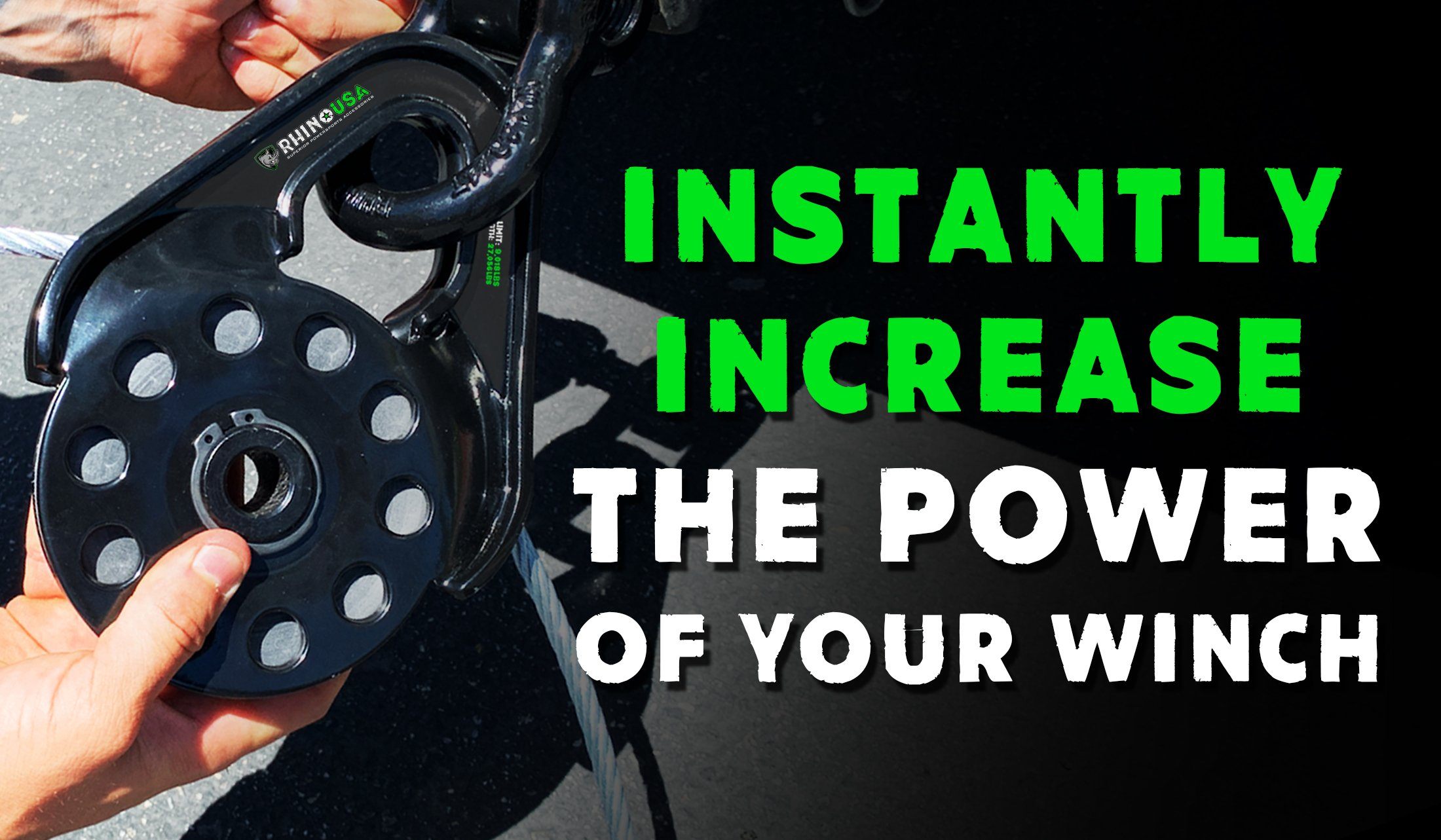
Snatch blocks help reduce the load on the winch by changing the pulling direction. This allows the winch to work more efficiently and safely. Attach the snatch block securely to a strong anchor point. Feed the cable through the block smoothly to prevent damage. Using snatch blocks can double the pulling power of the winch.
Maintaining Control During Pull
Keep a clear view of the vehicle and cable at all times. Use a remote control if your winch has one. Never stand directly in line with the cable. Stop if the cable frays or shows signs of damage. Pull slowly and steadily to maintain control and avoid sudden movements.

Credit: www.youtube.com
Common Mistakes To Avoid
Using a winch to pull a car onto a trailer seems simple. Yet, many make mistakes that cause damage or injury. Avoiding these errors helps keep the process safe and smooth. Understanding common mistakes is key to using your winch correctly.
Overloading The Winch
Each winch has a weight limit. Exceeding this limit can break the cable or motor. Always check the winch’s rated capacity before use. Choose a winch with a capacity higher than your car’s weight. This prevents strain and unsafe situations.
Ignoring Winch Maintenance
Winches need regular care to work well. Dirt, rust, and lack of lubrication cause failures. Inspect the cable for frays or damage before every use. Clean and oil moving parts to ensure smooth operation. Neglecting maintenance can lead to winch breakdowns.
Incorrect Anchor Points
Secure the winch to a strong anchor point. Weak or unstable anchors cause the winch to slip or break. Use the trailer frame or a solid vehicle part designed for towing. Avoid using parts that can bend or break under pressure.
Winch Accessories And Safety Gear
Using the right winch accessories and safety gear is key to pulling a car onto a trailer safely. These tools protect you and your equipment. They help the winching process go smoothly. Without proper gear, you risk injury or damage. Below are important accessories every winching job needs.
Gloves And Protective Equipment
Strong gloves protect your hands from cuts and burns. Winch cables can snap or fray during use. Gloves reduce the chance of injury. Protective eyewear shields your eyes from flying debris. Wear sturdy boots to protect your feet. Safety gear keeps you safe throughout the job.
Winch Dampers And Straps
Winch dampers stop the cable from whipping if it breaks. They absorb shock and reduce danger. Heavy-duty straps help secure the car to the trailer. Straps distribute the load evenly. Using quality straps prevents slipping and damage. Dampers and straps work together for a safer pull.
Remote Controls And Emergency Stops
Remote controls let you operate the winch from a safe distance. You see the car and trailer clearly. Emergency stop buttons halt the winch instantly. This feature prevents accidents and equipment damage. Remote controls and stop switches make winching safer and easier.
Credit: www.rhinousainc.com
Legal And Manufacturer Guidelines
Understanding legal and manufacturer guidelines is key for safe winching. These rules protect you, your vehicle, and others on the road. Following proper guidelines avoids damage and legal trouble.
Winch Manufacturer Recommendations
Manufacturers give clear instructions on winch capacity. Always choose a winch with a pulling power twice the vehicle’s weight. This prevents strain and winch failure. Check the manual for cable type and maintenance tips. Using the correct winch extends its life and keeps pulling safe.
Trailer Safety Regulations
Each state has rules on towing and winching. Regulations often set limits on trailer weight and equipment standards. A secure tie-down and proper winch use are usually required by law. Ignoring these rules can lead to fines or accidents. Always check local regulations before pulling a car onto a trailer.
Insurance Considerations
Insurance policies may require following winch and towing laws. Some insurers refuse claims if guidelines are ignored. Using the right winch and equipment helps keep coverage valid. Report any modifications or equipment changes to your insurer. This protects you from denied claims after an accident.
Frequently Asked Questions
How Much Winch Capacity Is Needed To Pull A Car?
You need a winch with a capacity at least 1. 5 times your car’s weight. This ensures safe and efficient pulling. For example, a 3,000-pound car requires a 4,500-pound winch for reliable operation.
Can A Small Winch Pull A Heavy Car On A Trailer?
A small winch may struggle with heavy cars. Using a winch rated below the car’s weight risks damage or failure. Always choose a winch with higher capacity to ensure safety when pulling heavy vehicles.
Does Trailer Type Affect Winch Pull Requirements?
Yes, trailer type impacts winch needs. Enclosed trailers add more resistance than open ones. Consider trailer weight and friction when selecting your winch capacity for smooth pulling.
How To Choose The Right Winch For Car Loading?
Check your car’s weight and add 50% extra capacity to the winch rating. Consider trailer type and cable length too. This approach ensures safe and effective car loading on trailers.
Conclusion
Choosing the right winch power keeps your car safe on the trailer. A winch with enough pull force prevents damage and saves time. Always check your car’s weight and add extra capacity for safety. Use a winch that matches or exceeds the total load.
This helps avoid accidents and makes loading easier. Remember, a strong winch means smooth, stress-free towing every time. Keep your gear reliable and your trips worry-free. Simple steps lead to safer and better towing experiences.
![Read more about the article How Does A PTO Winch Work? [Power Take Off Winch 101]](https://autopartsguideline.com/wp-content/uploads/2022/02/how-does-a-PTO-winch-work-300x194.webp)