
Has your winch stopped working right when you needed it most? It’s frustrating and can bring your whole project to a halt.
You might be wondering what went wrong and how to fix it quickly. Don’t worry—you’re not alone, and there are simple steps you can take to get your winch back in action. Keep reading, and you’ll discover easy solutions that save you time, money, and stress.
Your winch will be running smoothly again before you know it.
Common Winch Problems
Winches are useful tools that help pull heavy loads. They work in many jobs like towing, lifting, and off-road driving. Sometimes, winches stop working. Common problems cause this. Knowing these issues helps fix winches faster and avoid damage.
Power Issues
Power problems are common in winches. A dead battery can stop the winch from working. Loose or broken wires also block power flow. Check the battery charge and cables first. A bad switch or fuse may also cause power failure. Testing these parts can find the problem quickly.
Cable And Drum Problems
The winch cable and drum often face wear and tear. The cable can get frayed, kinked, or stuck. This stops the cable from pulling smoothly. Dirt and rust on the drum slow down the winch. Regular cleaning and replacing old cables keep the winch working well.
Motor And Gear Failures
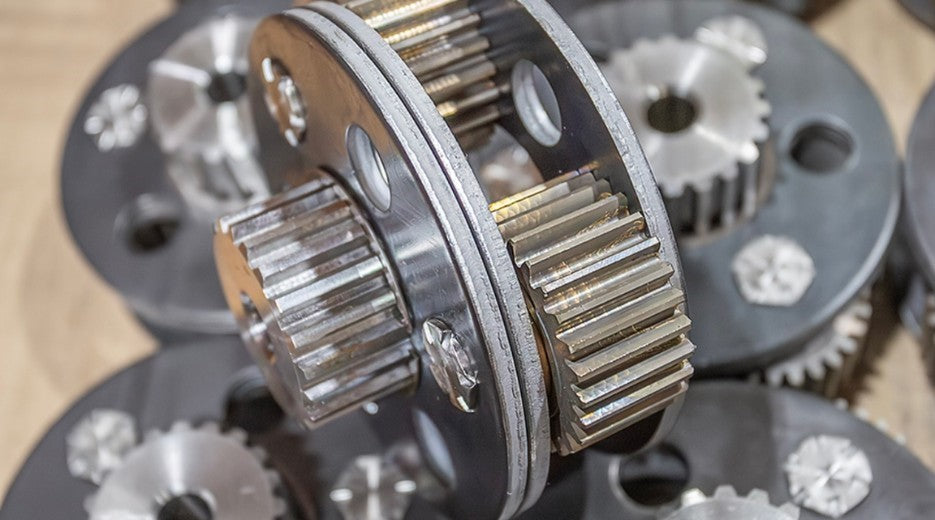
The motor powers the winch. If it overheats, it may stop working. Gears inside the winch can wear out or break. This leads to grinding noises or a winch that won’t turn. Inspecting and lubricating the motor and gears helps prevent these failures.

Credit: www.youtube.com
Safety Precautions
Safety is the top priority when a winch stops working. Taking proper precautions helps prevent injuries and damage. Always follow these safety steps before trying any repairs or inspections. Stay alert and cautious to avoid accidents.
Disconnect Power Source
Always cut off the power before touching the winch. Unplug the battery or switch off the circuit breaker. This stops accidental starts and electric shocks. Double-check that no electricity flows to the winch before you begin.
Wear Protective Gear
Wear gloves to protect your hands from sharp edges. Use safety glasses to shield your eyes from debris. Heavy boots help guard your feet in case parts fall. Proper gear keeps you safe during all repairs or checks.
Avoid Overloading
Never try to lift more weight than the winch can handle. Overloading causes damage and increases the risk of failure. Check the winch’s load limit and follow it strictly. Using the right load keeps the winch safe and working well.
Basic Troubleshooting Steps
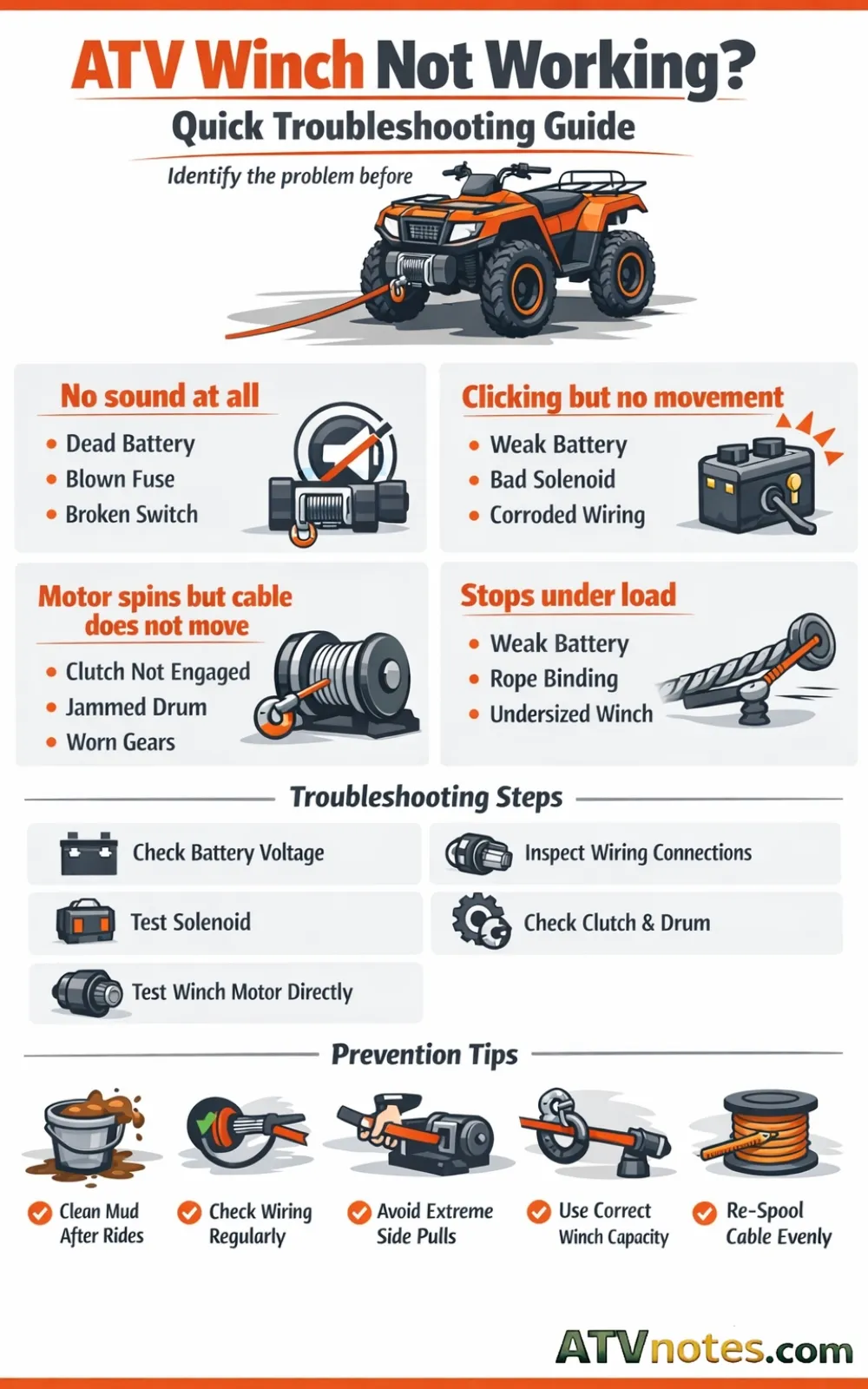
When your winch stops working, basic troubleshooting helps find the problem fast. It saves time and money before calling for repairs. Follow these simple steps carefully.
Check Battery And Connections
Start by checking the battery power. A weak or dead battery can stop the winch. Make sure the battery is fully charged. Look for loose or corroded connections at the battery terminals. Clean any rust or dirt with a wire brush. Tighten all connections to ensure good contact. A solid power supply is key for winch operation.
Inspect Remote Control
Next, check the remote control. Make sure the remote has fresh batteries installed. Inspect the buttons for damage or dirt that may block them. Test the remote by pressing the buttons and watching for any response from the winch. Replace the remote if it does not work after changing batteries. The remote must send clear signals to operate the winch.
Test Switches And Solenoids
Finally, test the switches and solenoids. Use a multimeter to check for electrical continuity. Listen for a clicking sound from the solenoid when activating the winch. No click may mean a faulty solenoid or switch. Replace any parts that do not pass the test. Working switches and solenoids are essential for controlling the winch motor.
Credit: atvnotes.com
Fixing Electrical Problems
Electrical problems often cause a winch to stop working. These issues can be simple to fix. Checking the electrical parts carefully helps find the problem fast. Follow these steps to fix common electrical faults in your winch.
Replace Blown Fuses
Fuses protect the winch from electrical damage. A blown fuse cuts power to the winch. Find the fuse box and check each fuse. Look for a broken wire inside the fuse or a blackened end. Replace any blown fuses with the same type and rating. This often restores power quickly.
Repair Wiring Issues
Loose or damaged wires cause poor connections. Inspect all wiring for cuts, wear, or loose ends. Tighten any loose wires using a screwdriver. Replace wires that have cracks or bare spots. Use electrical tape or heat shrink tubing to cover exposed wires. Good wiring ensures steady power flow to the winch.
Clean Corroded Contacts
Corrosion blocks electrical current in contacts and terminals. Remove the battery or power source first. Use a wire brush or sandpaper to clean corroded contacts. Wipe away dirt and rust with a clean cloth. Apply a small amount of dielectric grease to prevent future corrosion. Clean contacts improve electrical flow and winch performance.
Addressing Mechanical Issues
Mechanical problems often cause winches to stop working. Fixing these issues helps bring the winch back to life. Simple steps can solve many common problems.
Checking the moving parts, cables, and damaged pieces is key. These parts need care and repair to work well again.
Lubricate Moving Parts
Moving parts often get dry or rusty. This stops the winch from working smoothly. Applying lubricant reduces friction and wear. Use a good quality grease or oil made for machinery. Focus on gears, bearings, and joints. Regular lubrication keeps parts moving freely and prevents damage.
Realign Cable And Drum
The cable must sit correctly on the drum. Misalignment causes the cable to jam or tangle. Check if the cable wraps evenly around the drum. Adjust the drum or cable guides to fix the position. Proper alignment avoids wear and stops the winch from stopping.
Replace Damaged Components
Parts like cables, gears, or brakes can break or wear out. Damaged components reduce the winch’s power and safety. Inspect all parts carefully for cracks or breaks. Replace any broken or worn parts with new ones. Using strong, intact parts restores the winch’s strength and reliability.
When To Seek Professional Help
Knowing when to seek professional help is key to fixing a winch that stopped working. Some problems need expert skills to avoid further damage or safety risks. Recognizing these signs can save time and money.
Persistent Electrical Failures
Repeated electrical issues signal a deeper problem. Loose wiring or faulty switches might cause this. Professionals have tools to test and fix wiring safely. Avoid trying complex electrical repairs yourself.
Major Mechanical Damage
Strange noises or broken parts show serious mechanical damage. A damaged gear or drum needs expert repair. Attempting to fix these can cause more harm. Experts can replace or repair parts correctly.
Safety Concerns
Any sign of unsafe operation requires immediate professional attention. Faulty brakes or slipping cables pose serious risks. Professionals ensure the winch works safely. Do not ignore safety issues to protect yourself and others.
Preventive Maintenance Tips
Preventive maintenance helps keep your winch working well for a long time. It stops small problems from becoming big issues. Regular care saves time and money. Follow these simple tips to maintain your winch.
Regular Inspections
Check your winch often. Look for worn parts and loose bolts. Listen for strange noises when using it. Early signs of damage need quick attention. Regular inspections prevent sudden breakdowns.
Proper Storage Practices
Store your winch in a dry place. Avoid wet or damp areas that cause rust. Cover it to block dust and dirt. Keep cables neat and untangled. Proper storage keeps your winch ready to work.
Routine Cleaning And Lubrication
Clean your winch after each use. Remove mud, salt, and grime gently. Use a soft brush and mild soap. Dry it completely before storing. Apply lubricant to moving parts to reduce wear. Clean and lubrication keep your winch smooth and strong.
Credit: www.partsvia.com
Frequently Asked Questions
Why Did My Winch Suddenly Stop Working?
Your winch may stop due to electrical issues, motor failure, or a blown fuse. Check power connections and the fuse box first. Inspect the winch motor for signs of damage or overheating. Regular maintenance prevents sudden failures.
How Can I Fix A Winch That Won’t Power On?
Start by checking the battery and wiring for loose or corroded connections. Replace any blown fuses. Test the remote control and switch for faults. If the motor is damaged, professional repair or replacement may be needed.
What Causes A Winch Motor To Overheat And Stop?
Overloading the winch or continuous use without breaks causes motor overheating. Poor ventilation and dirty components also contribute. Allow cooling periods and keep the winch clean to avoid overheating and automatic shutdown.
Can A Faulty Solenoid Cause Winch Failure?
Yes, a faulty solenoid can prevent the winch from engaging or powering on. The solenoid controls electric current flow to the motor. Testing and replacing a bad solenoid often restores winch functionality quickly.
Conclusion
A winch that stops working can cause real trouble. Check the power source and connections first. Look for any broken parts or worn cables. Clean and lubricate moving parts to keep them smooth. Sometimes, resetting the system helps solve the issue.
Don’t ignore small problems; fix them early. Regular care can keep your winch running longer. Remember, safety comes first when working with winches. Taking these simple steps can save time and money. Stay patient and follow each step carefully. Your winch will be back in action soon.


