Are you confused about the terms hoist and lift? You’re not alone.
Many people use these words interchangeably, but they actually mean different things. Understanding the difference can save you time, money, and even prevent accidents. If you want to know which one suits your needs or project, keep reading. By the end of this article, you’ll clearly see how hoists and lifts work and which one is right for you.
Let’s dive in!
Basic Definitions
Understanding the basic definitions of hoist and lift helps clarify their different uses. Both devices move objects vertically but serve different purposes. Knowing these basics is key before diving deeper into their functions.
What Is A Hoist
A hoist is a device that lifts or lowers heavy loads. It uses a drum or lift-wheel with a rope or chain. Hoists are common in construction and factories. They help move materials quickly and safely. Hoists can be manual, electric, or pneumatic.
What Is A Lift
A lift is a platform or cabin that carries people or goods vertically. It travels inside a shaft or along a guide rail. Lifts are mostly found in buildings like homes, offices, and malls. They provide safe and easy vertical transportation. Lifts use motors and cables to move up and down.

Credit: hoists.com
Primary Uses
Understanding the primary uses of hoists and lifts helps to choose the right tool. Both move objects but serve different purposes. Hoists mainly handle heavy loads vertically. Lifts focus on moving people or goods between floors.
Common Applications Of Hoists
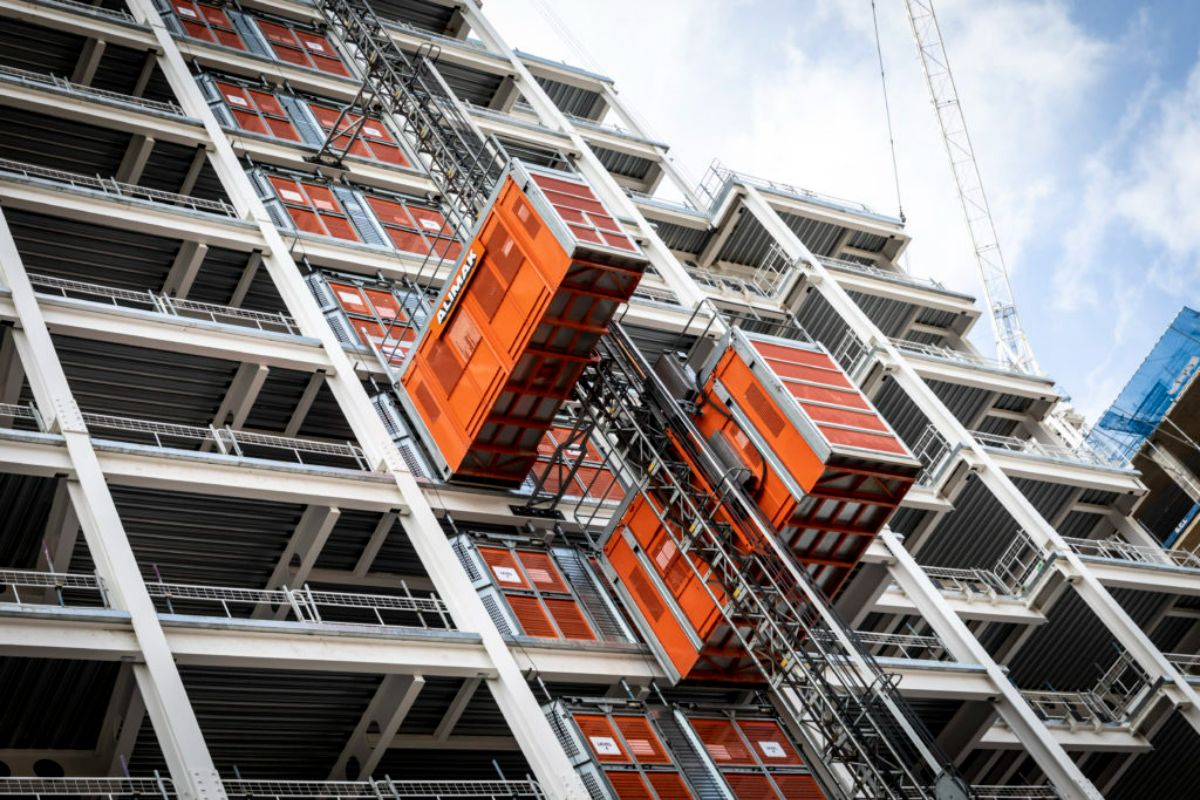
Hoists are common in construction sites. They raise heavy materials like steel beams and concrete blocks. Factories use hoists to move parts on assembly lines. Warehouses rely on hoists for stacking large crates. Hoists also appear in shipyards for heavy cargo handling.
Common Applications Of Lifts
Lifts transport people in buildings and malls. They help move goods in hotels and hospitals. Residential buildings use lifts for easy floor access. Parking garages have lifts for vehicles. Lifts also assist in moving equipment in offices and stores.
Design And Mechanism
The design and mechanism of hoists and lifts differ significantly. These differences affect how each machine functions and serves various needs. Understanding their design helps to know which tool suits a particular job.
Hoists are mainly built for lifting heavy loads vertically. They use a simple but strong mechanism to move objects up and down. Lifts, on the other hand, are designed to carry people or goods between floors. Their mechanism focuses on smooth and safe movement inside buildings.
How Hoists Work
Hoists use a drum or a lift-wheel to wind a rope or chain. This rope or chain is attached to the load. When the drum turns, it pulls the rope, lifting the load off the ground.
Electric motors or manual power can drive the drum. The hoist has brakes to hold the load in place. Its frame supports the entire system and ensures stability.
How Lifts Operate
Lifts have a cabin that moves along vertical guide rails. Inside the cabin, people or goods ride safely between floors. A motor drives a system of pulleys and cables to move the cabin.
Modern lifts use counterweights to balance the cabin’s weight. This reduces the energy needed to move the lift. Safety features like emergency brakes and sensors keep passengers safe.

Credit: icarelifts.com
Types And Variations
Hoists and lifts serve different purposes but share one goal: moving heavy objects safely. Both come in many types and variations to fit specific jobs. Understanding these types helps choose the right equipment for the task.
Different Hoist Types
Chain hoists use a chain to lift loads. They are common in workshops and factories.
Wire rope hoists use a strong cable instead of a chain. They handle heavier weights and longer lifts.
Electric hoists run on power, making lifting faster and easier. They reduce manual effort.
Manual hoists require hand operation. They are simple and cost-effective for light tasks.
Hydraulic hoists use fluid pressure to lift. They are strong and precise for heavy loads.
Different Lift Types
Passenger lifts carry people between floors. Elevators in buildings are the most common example.
Freight lifts move goods and equipment. They are larger and built for heavy loads.
Scissor lifts raise platforms vertically. Workers use them for maintenance and construction.
Hydraulic lifts use fluid power to move up and down smoothly.
Electric lifts operate with motors. They are fast and efficient for various uses.
Load Capacity And Size
Load capacity and size are key factors when choosing between a hoist and a lift. These aspects affect how much weight the equipment can handle and where it can be used. Understanding these differences helps pick the right tool for the job.
Load Capacity Of Hoists
Hoists usually have a high load capacity. They can lift heavy materials in factories and construction sites. Some hoists handle several tons at once. This makes them ideal for heavy-duty tasks.
Many hoists use chains or wire ropes. These help support large weights safely. The load capacity depends on the hoist type and design.
Load Capacity Of Lifts
Lifts generally carry lighter loads compared to hoists. They are designed for people or small cargo. Typical lifts hold a few hundred to a few thousand pounds. This suits offices and residential buildings well.
Elevators in buildings have safety limits set by law. These limits ensure safe use and prevent accidents.
Size Differences Between Hoists And Lifts
Hoists are often smaller and more compact. This allows them to fit into tight spaces on job sites. Their design focuses on lifting power, not size.
Lifts tend to be larger due to passenger space. They require a cabin or platform. The size varies depending on the number of passengers or cargo capacity.
Both hoists and lifts come in different sizes. Size depends on the load and the intended use.
Safety Features
Safety features are vital in both hoists and lifts. They protect users and prevent accidents. Knowing these features helps you choose the right equipment.
Safety Features Of Hoists
Hoists have brakes that stop the load quickly. They often include overload protection to avoid lifting too much weight. Emergency stop buttons allow workers to halt operations fast. Hoists also have limit switches to prevent the load from moving too far up or down.
Safety Features Of Lifts
Lifts include safety brakes that activate if cables fail. Most lifts have door sensors to stop movement if doors are open. Emergency alarms and communication systems help in case of trouble. They also use speed governors to control how fast the lift moves.
Comparing Safety Measures
Both hoists and lifts focus on stopping loads safely. Hoists emphasize controlling heavy loads in open spaces. Lifts focus more on passenger safety and enclosed environments. Each system meets different safety standards based on use.
Installation And Maintenance
Installation and maintenance play a key role in the safe and efficient use of hoists and lifts. Both require careful setup and regular checks to keep them working well. Understanding the differences helps in choosing the right equipment and caring for it properly.
Installation Process For Hoists
Hoists are often mounted on beams or overhead structures. They need strong support to handle heavy loads. Installation usually requires professionals with experience in rigging and electrical work. The setup focuses on securing the hoist and testing its movement and controls.
Installation Process For Lifts
Lifts involve more complex installation steps. They require building a shaft or enclosure. Electrical and mechanical systems must be connected carefully. Safety systems like brakes and emergency stops need thorough testing. Installation takes longer and needs specialized technicians.
Maintenance Needs For Hoists
Hoists need regular inspection of cables, hooks, and motors. Lubrication of moving parts prevents wear and tear. Checking the controls ensures smooth operation. Maintenance is simpler but must be done often to avoid breakdowns.
Maintenance Needs For Lifts
Lifts require detailed maintenance routines. Doors, cables, and pulleys must be checked. Safety features get tested monthly or quarterly. Maintenance involves mechanical and electrical parts. It is more complex and costly than hoist upkeep.
Credit: multico.com.ph
Cost Considerations
Cost plays a big role in choosing between a hoist and a lift. Both machines serve to move loads, but their price points vary. Understanding these costs helps make a smart choice for any project or business.
Hoists tend to be less expensive upfront. They are simpler devices designed mainly to raise and lower heavy items vertically. Their parts and installation usually cost less than lifts.
Lifts, on the other hand, offer more features and flexibility. They can move people or goods between floors smoothly. This complexity often means higher purchase and maintenance costs.
Initial Purchase Price
Hoists often have a lower initial price. Basic models cost less to manufacture and buy. Lifts come with advanced safety and control systems, increasing their cost.
Installation Expenses
Installing a hoist is usually quicker and cheaper. It requires less space and structural changes. Lifts need more work to set up, raising installation fees.
Maintenance And Operating Costs
Hoists are easier to maintain. They have fewer parts that can break. Lifts need regular checks and servicing to keep safe operation, adding to expenses.
Long-term Value
Lifts may cost more but offer greater utility over time. They can improve workflow and safety, potentially saving money later. Hoists serve well for specific lifting needs at a lower cost.
Choosing Between Hoist And Lift
Choosing between a hoist and a lift depends on the task at hand. Both tools move heavy objects but serve different purposes. Picking the right one makes work safer and more efficient.
Understanding the key factors and industry needs helps in making the best choice. Let’s explore what to consider and how different sectors prefer one over the other.
Factors To Consider
Weight capacity is a major factor. Hoists usually handle heavy loads vertically. Lifts move people or goods vertically and sometimes horizontally. Space is another key point. Hoists need less room and fit in tight spots. Lifts require more space for safe operation.
Speed also matters. Hoists operate slower for precise control. Lifts move faster for quick transport. Safety features differ too. Lifts often have more safety mechanisms for passengers. Hoists focus on load security.
Industry-specific Preferences
Construction often favors hoists for lifting heavy materials. Warehouses use lifts for moving goods and workers to different levels. Manufacturing plants select hoists for precise placement of parts. Retail stores prefer lifts for moving stock and customers.
Each industry chooses based on job needs, safety rules, and workspace design. Knowing these preferences helps in selecting the right equipment quickly.
Frequently Asked Questions
What Is The Main Difference Between A Hoist And A Lift?
A hoist primarily lifts heavy loads vertically using ropes or chains. A lift transports people or goods vertically within buildings. Hoists are used in construction, while lifts are common in elevators.
Are Hoists Safer Than Lifts For Heavy Lifting?
Hoists are designed for heavy, industrial loads with safety features specific to lifting weight. Lifts focus more on passenger safety and comfort. Both are safe when used correctly, but hoists are specialized for heavier loads.
Can A Lift Be Used As A Hoist?
No, lifts are designed for transporting people or goods, not heavy industrial loads. Hoists have stronger lifting mechanisms and controls for heavy-duty tasks. Using a lift as a hoist can be unsafe and damage the equipment.
Where Are Hoists Commonly Used Compared To Lifts?
Hoists are used in construction sites, warehouses, and manufacturing for lifting heavy materials. Lifts are found in residential and commercial buildings for vertical transportation of people and light goods. Each serves distinct operational needs.
Conclusion
Hoists and lifts both move heavy objects but serve different purposes. Hoists mainly lift loads vertically using chains or ropes. Lifts carry people or goods between floors inside buildings. Choosing the right one depends on the task and environment. Understanding their key differences helps in picking the best tool.
Both keep work safe and efficient when used correctly. Now you know how hoists and lifts differ. Use this knowledge to make smarter decisions in your projects.
![Read more about the article How To Attach Cable To Winch Drum [Step By Step Guide]](https://autopartsguideline.com/wp-content/uploads/2022/05/how-to-attach-cable-to-winch-drum-300x184.webp)
