
Imagine you’re in the middle of a tough job, relying on your winch to pull heavy loads safely. Suddenly, you hear a sharp snap—your winch cable has broken.
What happens next? How dangerous is this, and what should you do to protect yourself and others? Understanding what occurs when a winch cable snaps is crucial for your safety and the success of your work. Keep reading to learn the risks, warning signs, and essential steps you need to take if this unexpected event happens to you.
Common Causes Of Winch Cable Failure
Winch cables face a lot of stress during use. Understanding why they fail helps prevent accidents. Several key reasons cause winch cable snapping. Each reason affects the cable’s strength and safety.
Wear And Tear
Daily use wears down the cable fibers. Friction and bending weaken the strands over time. Small cuts or frays can develop into breaks. Ignoring minor damage leads to sudden failure.
Overloading The Winch
Winches have weight limits. Pulling heavier loads strains the cable beyond its capacity. Excess weight causes stretching and snapping. Always check load limits before use to avoid damage.
Improper Installation
Wrong cable setup increases risk of failure. Twisting or kinking the cable causes weak spots. Poor anchoring makes the cable unstable. Correct installation ensures even tension and safety.
Corrosion And Environmental Damage
Exposure to moisture and chemicals harms the cable. Rust weakens metal fibers and reduces strength. Dirt and debris cause abrasion and wear. Regular cleaning and protection extend cable life.
Immediate Risks When A Cable Snaps
When a winch cable snaps, immediate risks arise that can cause serious problems. The sudden failure brings dangers to people and equipment nearby. Understanding these risks helps to stay safe and avoid damage.
Flying Cable Hazards
A snapped cable can whip through the air with great force. This flying cable can hit anything in its path. The rapid movement causes severe injuries and can break objects. Staying clear of a winch under load is critical.
Damage To Equipment
The sudden release of tension can damage the winch and nearby tools. Parts may break or bend from the shock. Equipment close to the cable’s path may also get hit. Repair costs can be high after a cable snap.
Injury To Bystanders
People near the winch risk being struck by the cable or falling load. Injuries can include cuts, bruises, broken bones, or worse. Awareness and safety barriers reduce the chance of harm. Always keep bystanders at a safe distance.
Loss Of Load Control
Once the cable breaks, the load falls or swings uncontrollably. This sudden loss of control can cause damage or injury. The load may hit structures, equipment, or people nearby. Proper safety gear and precautions are essential to manage this risk.
Preventing Winch Cable Failures
Preventing winch cable failures is key for safety and equipment life. A snapped cable can cause serious injuries and damage. Taking simple steps helps keep your winch working well and avoids accidents.
Regular Inspection And Maintenance
Check the winch cable often for signs of wear and tear. Look for frays, rust, or broken strands. Clean the cable regularly to remove dirt and moisture. Lubricate it with the right oil to prevent rust. Replace the cable immediately if you see damage. Regular care extends cable life and keeps it safe.
Choosing The Right Cable
Select a cable that matches your winch’s load capacity. Thicker cables usually handle more weight. Steel cables are strong but need more care. Synthetic cables are lighter and safer but can wear out faster. Check the cable’s rating before use. A proper cable reduces the risk of snapping.
Proper Winch Operation
Use the winch according to the manufacturer’s instructions. Avoid sudden jerks or overloading the cable. Keep the cable evenly wound on the drum. Do not let the cable twist or kink. Always use gloves when handling the cable. Correct use prevents damage and keeps the cable strong.
Environmental Considerations
Protect the cable from harsh weather and chemicals. Store the winch in a dry place when not in use. Avoid exposing the cable to saltwater or mud for long. Rinse and dry the cable after use in wet conditions. Environmental care helps prevent corrosion and wear.

Credit: www.reddit.com
Safety Gear And Precautions
Winch cables carry heavy loads and high tension. A snap can cause serious injury or damage. Safety gear and precautions protect workers and bystanders. Proper equipment and clear rules reduce risks. Awareness and quick action save lives.
Personal Protective Equipment
Wear gloves to protect hands from sharp cable ends. Safety glasses shield eyes from flying debris. Hard hats guard against falling objects. Steel-toed boots protect feet from heavy loads. Use high-visibility vests to stay seen in busy areas.
Safe Distance Guidelines
Keep a safe distance from the winch cable during operation. Stand at least twice the cable length away. Never cross the cable’s path or stand near the load. Mark danger zones clearly with cones or barriers. Limit access to trained personnel only.
Emergency Stop Procedures
Know how to stop the winch immediately if the cable snaps. Use the emergency stop button or switch. Alert others nearby to move away quickly. Follow company protocols for shutting down equipment safely. Regularly test emergency stops to ensure they work.
Training And Awareness
Train workers on winch operation and dangers of cable snaps. Conduct regular safety briefings and drills. Teach how to spot cable wear and damage early. Promote a culture of safety and caution. Encourage reporting of hazards without delay.
Steps To Take After A Cable Breaks
When a winch cable snaps, quick and careful action is key. The right steps can prevent injuries and further damage. Knowing what to do after a cable breaks makes the situation safer and easier to handle.
Assessing The Situation
First, check the area for any immediate dangers. Look for people or objects near the broken cable. Make sure no one is hurt. Understand how the cable snapped. This helps prevent the same problem again.
Securing The Area
Clear everyone away from the winch and cable. Mark the danger zone with cones or tape. Keep a safe distance until the area is safe. Turn off the winch and any power sources. Prevent accidental starts or movements.
Replacing The Cable Safely
Use the right tools and follow the manufacturer’s guide. Wear gloves and protective gear. Handle the new cable with care to avoid kinks or damage. Attach the cable tightly and test it slowly before full use. Ensure everything works smoothly.
Reporting And Documentation
Write down what happened and how you fixed it. Note the date, time, and people involved. Report the incident to your supervisor or safety officer. Keeping records helps improve safety and tracks equipment issues.
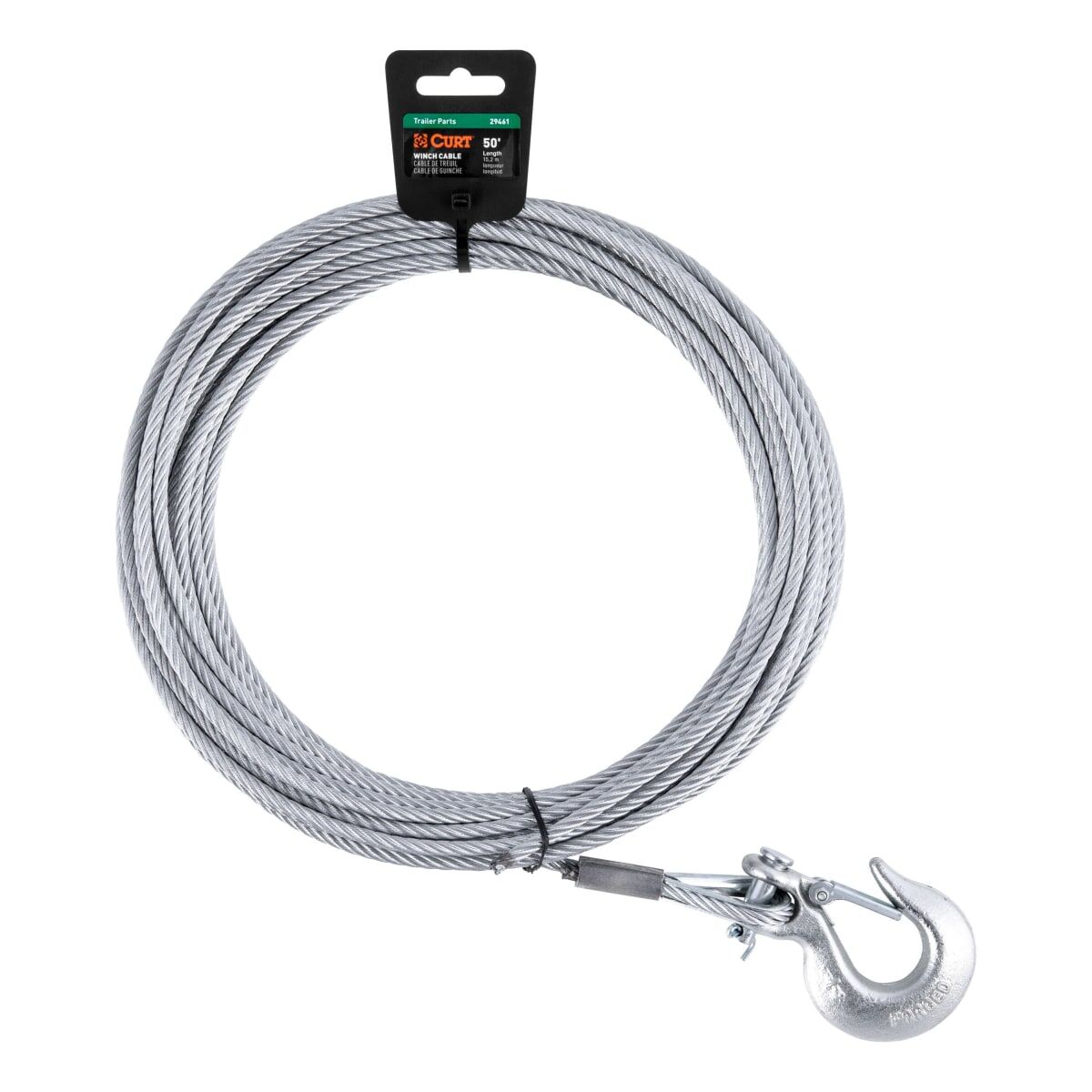
Credit: www.lippert.com

Credit: www.youtube.com
Frequently Asked Questions
What Causes A Winch Cable To Snap Unexpectedly?
A winch cable can snap due to overloading, corrosion, wear, or improper use. Regular inspection prevents sudden breaks and ensures safety.
What Are The Immediate Dangers When A Winch Cable Snaps?
A snapping cable can recoil violently, causing serious injury or damage. Always stand clear and wear protective gear when operating a winch.
How Can You Safely Handle A Snapped Winch Cable?
Stop using the winch immediately and inspect the cable. Replace damaged cables with the correct type and avoid makeshift repairs.
Can A Winch Cable Snap Cause Damage To The Winch?
Yes, a snapped cable can damage the winch drum, motor, or gears. Regular maintenance helps avoid costly repairs and downtime.
Conclusion
A winch cable snapping can cause serious problems fast. It may lead to injuries or damage to equipment. Knowing how to act quickly keeps everyone safer. Always check cables for wear before use. Replace any damaged cables without delay. Using the right tools and careful handling helps prevent breaks.
Stay alert and respect safety rules. This way, you reduce risks and keep work smooth. Remember, safety first keeps accidents far away.
![Read more about the article How to Install a Winch [Ultimate Step by Step Guide]](https://autopartsguideline.com/wp-content/uploads/2021/10/how-to-install-a-winch-1-300x197.webp)
