Choosing the right winch can be confusing. You might be asking yourself, “What capacity winch do I need?” Picking a winch that’s too small could leave you stuck when you need it most.
On the other hand, a winch that’s too big can be heavy, expensive, and hard to handle. This guide will help you figure out exactly what winch capacity matches your needs. By the end, you’ll feel confident about making the right choice—so you’re ready for any challenge ahead.
Keep reading to find out how to match your winch to your tasks perfectly.
Factors Affecting Winch Capacity
Choosing the right winch capacity is key for safe and effective use. Several factors affect the winch capacity you need. Understanding these helps you pick the best winch for your tasks.
Vehicle Weight And Load
The total weight of your vehicle is the main factor. Add the weight of any extra load or gear. The winch should handle at least 1.5 times this combined weight. This extra power ensures the winch pulls smoothly without strain.
Terrain And Conditions
Different terrains demand different winch power. Soft mud, sand, or snow increase resistance. Rocky or steep slopes also add stress. Choose a winch with higher capacity for tough terrain. This avoids getting stuck or damaging the winch.
Winch Line Length And Pull Speed
Longer winch lines reduce pulling power. The winch must work harder to pull from far away. Pull speed also affects performance. Slower speeds give more control but require more power. Balance line length and speed for your needs.
Types Of Winches And Their Capacities
Winches come in different types. Each has a specific capacity range. Understanding types helps choose the right winch for the job.
Capacity depends on the winch type and its power source. Some winches are better for heavy loads. Others fit smaller tasks.
Electric Winches
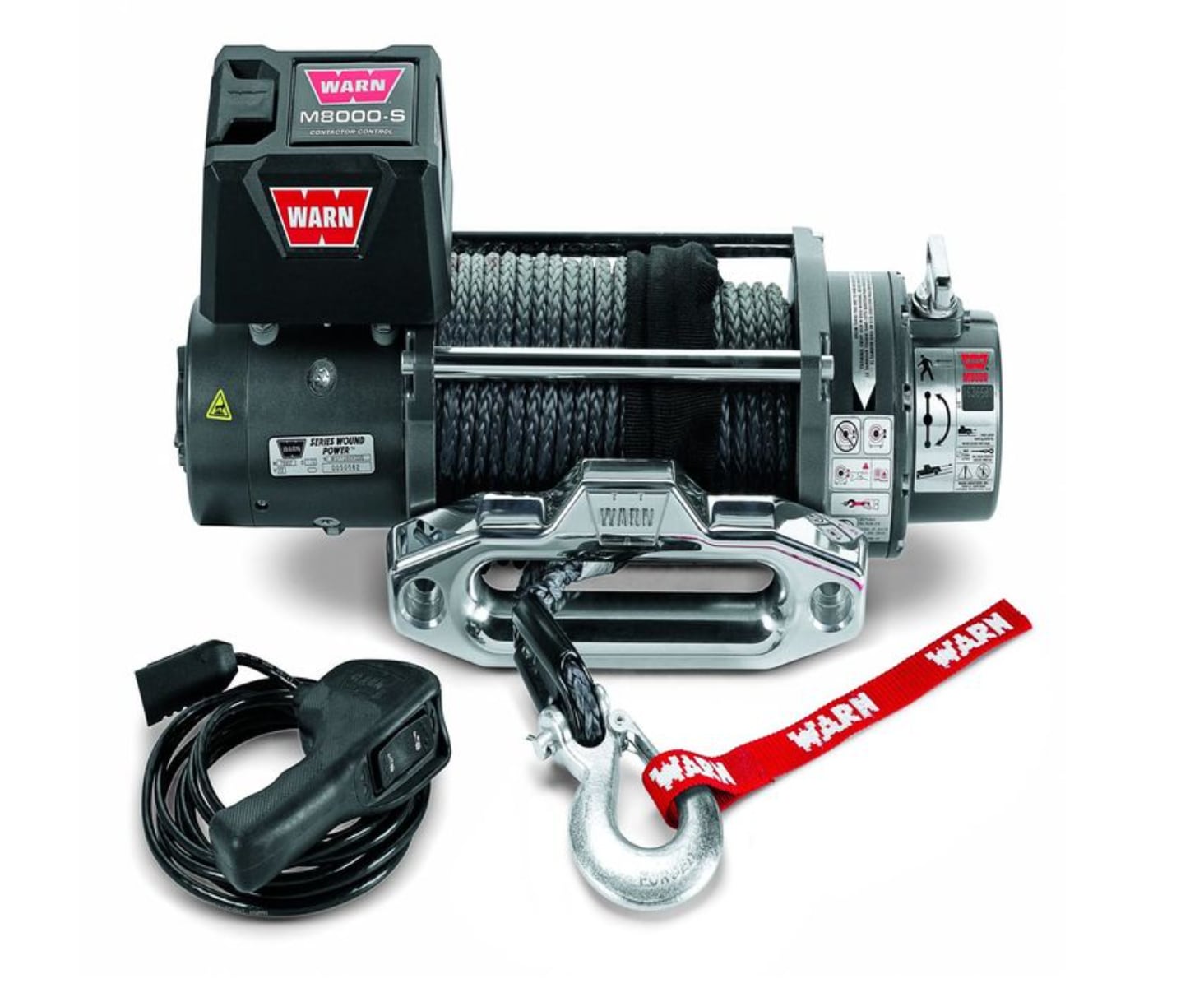
Electric winches use a motor powered by a battery. They handle loads from 2,000 to 12,000 pounds. Common for off-road vehicles and light industrial use. Easy to operate with a switch or remote. Best for moderate pulling tasks and quick setups.
Hydraulic Winches
Hydraulic winches connect to a hydraulic system. They offer strong pulling power, from 5,000 to over 30,000 pounds. Often used in heavy-duty and commercial work. They run smoothly and last long under tough conditions. Ideal for large vehicles and industrial lifting.
Manual Winches
Manual winches require hand cranking to pull loads. Their capacity ranges from 500 to 4,000 pounds. Simple design and low cost. Perfect for light tasks where power sources are unavailable. They need physical effort but are reliable and easy to maintain.
Calculating The Right Winch Capacity
Calculating the right winch capacity is crucial for safe and effective winching. Using a winch with too little power can cause damage or failure. A winch with the right capacity handles loads smoothly and lasts longer. This section helps you figure out the correct winch size for your needs.
Estimating Total Weight
Start by knowing the total weight of what you want to pull. Include the weight of your vehicle or load. Add any extra gear or cargo that adds to the total. This number gives the base for choosing your winch capacity.
Considering Safety Margins
Always add a safety margin to your total weight. A good rule is to pick a winch with at least 1.5 times the total weight. This margin protects against sudden shocks or heavier loads. It keeps the winch from working too hard and breaking down.
Adjusting For Inclines And Obstacles
Pulling up a hill or over rough ground needs more winch power. Steep slopes increase the load on the winch. Obstacles like rocks or mud add resistance. Multiply the total weight by 1.5 to 2 for these conditions. This step ensures your winch can handle tough terrain.

Credit: www.enthuze.ca
Common Winch Capacities For Different Vehicles
Choosing the right winch capacity depends on your vehicle size and weight. Winch capacity means how much weight the winch can pull safely. Using the correct capacity helps avoid damage and ensures safety. Below are common winch capacities for different types of vehicles.
Small Cars And Atvs
Small cars and ATVs usually need winches with lower capacities. A winch rated for 2,000 to 4,000 pounds suits these vehicles well. This range handles light recovery tasks and occasional pulling. It prevents overloading the winch and vehicle.
Suvs And Light Trucks
SUVs and light trucks require medium-capacity winches. Typically, these vehicles use winches rated between 8,000 and 12,000 pounds. This range supports heavier loads and tougher conditions. It offers more power for off-road adventures or towing needs.
Heavy-duty Trucks And Off-road Vehicles
Heavy-duty trucks and serious off-road vehicles need stronger winches. Winches with capacities of 12,000 pounds or more work best here. They can pull larger loads and handle extreme situations. This capacity ensures reliability and safety in harsh environments.
Additional Winch Features To Consider
Choosing the right winch is not just about capacity. Other features affect how well it works and how long it lasts. These features can make your job easier and safer. Consider the type of line, control options, and mounting before buying.
Line Material And Durability
The winch line is the rope or cable that pulls the load. Steel cable is strong and lasts long but can rust. Synthetic rope is light and safer if it breaks. It also floats on water and is easier to handle. Check the line’s thickness and length for your needs. A durable line saves money and effort in the long run.
Control Options And Accessibility
Winches come with different ways to control them. Remote controls give you freedom to stand away while pulling. Wired remotes are simple and reliable. Wireless remotes offer more range and convenience. Some winches have manual controls on the device itself. Choose a control option that fits your work style and safety needs.
Mounting And Compatibility
Your winch must fit the vehicle or spot where you mount it. Some winches come with universal mounting kits. Others need specific mounts made for certain vehicles. Check the winch’s size and weight to avoid installation problems. Proper mounting keeps the winch stable and prevents damage during use.

Credit: www.connect-knkt.com
Maintenance Tips To Extend Winch Life
Maintaining your winch properly can help it last much longer. It saves money and keeps it working well. Simple steps can stop damage and make sure the winch stays safe to use. Keep the winch clean, check it often, and store it right. These care habits help your winch do its job every time.
Regular Inspection And Cleaning
Look over your winch before and after each use. Check for loose bolts, frayed cables, or worn parts. Clean dirt and mud from the winch body and cable. Use a soft brush or cloth. Avoid harsh chemicals that can damage surfaces. Keeping the winch clean prevents rust and wear.
Lubrication And Cable Care
Lubricate moving parts regularly to reduce friction. Use a light machine oil or grease. Avoid over-lubricating, which can attract dirt. Inspect the cable for rust or breaks. Replace damaged cables immediately. Keep the cable neat and untangled to avoid kinks and snaps.
Storage And Usage Best Practices
Store the winch in a dry, covered place. Protect it from rain and snow to stop rust. Avoid using the winch beyond its capacity to prevent damage. Let the motor cool down after heavy use. Proper storage and careful use extend the life of your winch.
Credit: www.autozone.com
Frequently Asked Questions
What Factors Determine The Winch Capacity I Need?
Winch capacity depends on the load weight and terrain type. Multiply your vehicle’s gross weight by 1. 5 to 2. Choose a winch with at least this rating for safety and efficiency.
How Do I Calculate The Correct Winch Size?
Calculate by adding your vehicle weight to the load. Then multiply by 1. 5 or 2 for a safe capacity. This ensures your winch handles tough recovery situations without strain.
Can A Higher Capacity Winch Damage My Vehicle?
No, a higher capacity winch won’t damage your vehicle. It offers extra power and durability. Using a winch rated for your load ensures safer, more reliable operation during recovery.
Is A Winch Capacity Equal To Its Pulling Power?
Yes, winch capacity reflects its maximum pulling power. It indicates the weight the winch can safely pull. Always choose a capacity higher than your heaviest recovery load.
Conclusion
Choosing the right winch capacity keeps you safe and effective. Always pick a winch that handles at least 1. 5 times your heaviest load. This helps avoid damage and keeps work smooth. Think about the tasks you do most and match the winch to those needs.
A well-sized winch saves time and effort on every job. Remember, better preparation means less stress and better results. Take your time to decide carefully. Your winch will thank you with reliable service.

![Read more about the article Roller Fairleads vs. Hawse Fairleads [Guide for Beginners]](https://autopartsguideline.com/wp-content/uploads/2021/10/winch-fairleads-300x198.webp)
![Read more about the article How Does A PTO Winch Work? [Power Take Off Winch 101]](https://autopartsguideline.com/wp-content/uploads/2022/02/how-does-a-PTO-winch-work-300x194.webp)