Nothing is more frustrating than driving in the rain and hearing that annoying squeak every time your wiper blades swipe across the windshield. It’s distracting, it can make you tense, and worst of all—it might make you question if your wipers are actually doing their job.
But here’s the good news: you don’t have to live with that noise. You’ll discover simple, effective ways to stop your wiper blades from squeaking, so you can drive safely and comfortably no matter how hard it’s pouring. Keep reading—you’ll be amazed at how easy it is to fix this common problem.

Credit: www.automotiveglobespecialist.com
Causes Of Wiper Blade Squeaking
Wiper blade squeaking is a common problem during rain. It can be annoying and reduce visibility. Understanding the causes helps fix the noise quickly. Several factors make wiper blades squeak on the windshield.
Below are the main reasons why wiper blades create that squeaky sound. Knowing these helps keep your windshield clear and quiet.
Worn Out Blades
Wiper blades wear down over time. The rubber becomes hard and cracked. Old blades do not glide smoothly on glass. This causes them to squeak and skip. Replace blades every six to twelve months.
Dirty Windshield
A dirty windshield causes friction. Dust, dirt, and grime block smooth wiping. The blades drag on rough spots and squeak. Clean your windshield regularly for better wiping. Use proper glass cleaner and a soft cloth.
Incorrect Blade Position
Blades must sit flush on the glass. Wrong angles cause uneven pressure. This leads to skipping and noise. Adjust the blade arms if they bend or twist. Proper position helps blades move quietly.
Dry Rubber Edges
Dry rubber sticks and squeaks on glass. Lack of moisture makes blades noisy. Wet the blades before wiping during light rain. Use silicone spray to keep rubber soft. This reduces friction and stops squeaking sounds.
Cleaning Techniques For Blades And Windshield
Cleaning your wiper blades and windshield keeps them working smoothly. Dirt and grime cause squeaking noises during rain. Regular cleaning removes buildup that blocks smooth movement. Simple household items help clean effectively and quietly.
Using Soapy Water
Mix mild dish soap with warm water in a bucket. Dip a soft cloth or sponge into the solution. Wipe the wiper blades gently to remove dirt and dust. Clean the windshield with the soapy water too. Rinse both blades and glass with clean water. Dry with a soft towel before testing the wipers.
Applying Vinegar Solution
Combine equal parts white vinegar and water in a spray bottle. Spray the solution onto the wiper blades and windshield. Let it sit for a few minutes to break down grime. Wipe the surfaces with a clean cloth or paper towel. Vinegar helps remove mineral deposits and buildup. Rinse well afterward to avoid streaks on the glass.
Wiping With Rubbing Alcohol
Pour rubbing alcohol onto a clean cloth or cotton pad. Rub the wiper blades carefully to remove oils and residues. Clean the windshield with alcohol to prevent slippery streaks. Alcohol evaporates quickly, leaving the surface dry and clean. This step improves blade grip and stops squeaks effectively.
Blade Adjustment Tips
Blade adjustment is key to stopping wiper blades from squeaking in rain. Proper alignment helps the blades touch the windshield evenly. This reduces noise and improves wiping performance.
Simple tweaks to the blade and arm can fix most squeaks. Follow these tips to check and adjust your wiper blades.
Checking Blade Angle
Look at the blade against the windshield. The blade should lie flat and make full contact. If the angle is off, it can cause squeaking sounds.
Gently press the blade against the glass. Notice if one side lifts or if it bends oddly. Adjust the blade angle so it sits straight and smooth.
Realigning The Wiper Arm
The wiper arm holds the blade and moves it across the glass. If the arm is bent or loose, it affects blade contact.
Lift the arm away from the windshield. Check if it points straight. If not, carefully bend the arm back to a correct position.
Ensure the arm applies even pressure on the blade. Tighten any loose nuts or bolts that hold the arm in place.
Replacing And Maintaining Wiper Blades
Replacing and maintaining wiper blades stops the annoying squeak during rain. Wiper blades wear out over time. Dirt and damage make them noisy. Regular care keeps them working smoothly. Clean, sharp blades clear rain well. Follow these tips to keep blades quiet and effective.
Choosing The Right Blades
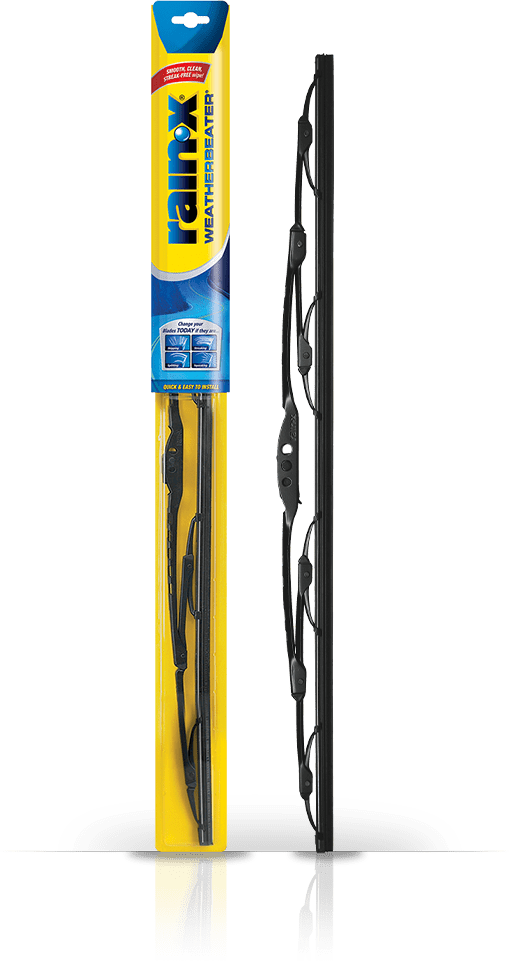
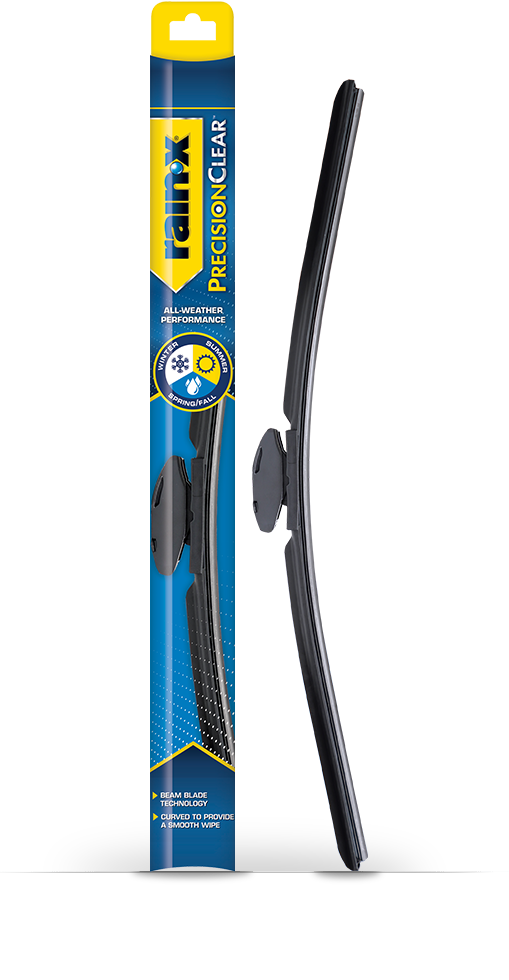
Select blades that fit your car’s make and model. Check your owner’s manual for size details. Buy blades made from durable materials. Silicone blades last longer and reduce noise. Avoid cheap blades that wear out fast. Good blades wipe clearly without streaks.
Proper Installation
Remove old blades carefully to avoid damage. Align new blades with the wiper arm. Snap them into place firmly. Test the blades by turning on the wipers. Make sure blades sit flat on the windshield. Poor installation causes uneven contact and noise.
Routine Maintenance
Clean blades regularly with a soft cloth and mild soap. Remove dirt and grime from blades and windshield. Check blades for cracks or tears often. Replace blades at least once every six months. Keep windshield washer fluid topped up. This prevents dry wiping and squeaking sounds.
Additional Hacks To Reduce Squeaking
Wiper blades that squeak during rain can be very annoying. Simple tricks can help reduce or stop the noise. These extra hacks work well alongside basic cleaning and blade checks. They keep your windshield clear and your drive quiet. Try these easy methods to improve wiper performance and reduce squeaks.
Using Silicone Spray
Silicone spray creates a smooth layer on the wiper blade. This layer helps the blade glide easily over the glass. Spray a small amount on the rubber edge of the blade. Avoid spraying the windshield directly. Let the spray dry for a few minutes before use. This reduces friction and stops squeaking sounds effectively.
Applying Wiper Lubricants
Wiper lubricants are made to reduce rubbing noise. Apply lubricant carefully along the rubber strip. Use a cloth to spread it evenly. Lubricants keep the rubber soft and flexible. This prevents the blade from sticking or dragging on the glass. Regular use helps maintain smooth wiping and less noise in rain.
Credit: www.rainx.com
Credit: www.rainx.com
Frequently Asked Questions
Why Do Wiper Blades Squeak In The Rain?
Wiper blades squeak due to dirt buildup or worn rubber edges. Moisture and debris cause friction, leading to noise. Cleaning or replacing blades often stops the squeak.
How Can I Clean Wiper Blades To Stop Squeaking?
Use a soft cloth with mild soap and water to clean blades. Remove dirt and grime gently. Regular cleaning prevents squeaks and improves blade performance.
Does Applying Lubricant Help Stop Wiper Blade Noise?
Yes, applying a silicone-based lubricant on the wiper arm joints reduces friction. Avoid lubricating the blade edges to prevent streaks on the windshield.
When Should I Replace Wiper Blades To Avoid Squeaking?
Replace blades every 6-12 months or when rubber cracks or hardens. Old blades lose flexibility, causing noise and poor wiping during rain.
Conclusion
Squeaky wiper blades can be annoying and unsafe in rain. Clean your blades and windshield often to stop the noise. Check the rubber for cracks or wear and replace if needed. Adjust the blade arm gently for better contact. Using the right cleaning products helps keep blades smooth.
Small steps make your drive safer and quieter. Keep these tips handy for rainy days. Clear vision matters most when the weather turns wet.