If you use a hoist regularly, you might wonder how often it needs servicing to keep it safe and reliable. Ignoring maintenance can lead to costly repairs or even accidents, putting you and your team at risk.
But how do you know when it’s time for a check-up? You’ll discover the key signs and recommended schedules for servicing your hoist. By understanding these simple guidelines, you can protect your equipment, save money, and ensure smooth operation every time you use it.
Keep reading to find out exactly what you need to know to keep your hoist in top shape.
Credit: carmedicsautowerks.com
Importance Of Regular Hoist Servicing
Regular servicing of a hoist is vital for safe and smooth operations. It helps find small problems before they become big ones. This prevents costly repairs and downtime. A well-maintained hoist works more efficiently and lasts longer. Skipping regular checks can put workers at risk and lead to accidents. Scheduled maintenance keeps the hoist in good shape and meets safety rules.
Safety Risks Of Neglected Maintenance
Ignoring hoist maintenance can cause serious safety hazards. Worn parts may fail suddenly. This can lead to dropped loads or injuries. Faulty brakes or cables increase accident chances. Regular inspections catch these problems early. Safe equipment protects workers and reduces liability risks.
Extending Hoist Lifespan
Routine servicing keeps the hoist working longer. Cleaning and lubrication reduce wear and tear. Replacing worn parts stops damage from spreading. A hoist that receives proper care avoids breakdowns. This saves money on buying new equipment often. Regular servicing is an investment in the hoist’s future.
Compliance With Industry Standards
Many industries require regular hoist inspections by law. Following these rules ensures the hoist is safe to use. It also avoids fines and penalties. Proper documentation of servicing proves compliance. Staying within standards protects your business and workers.
Recommended Service Intervals
Regular servicing of a hoist keeps it safe and efficient. Following a clear schedule avoids breakdowns and costly repairs. Different checks should happen at set times. Each step protects your equipment and workers. The schedule includes daily, weekly, monthly, and yearly tasks.
Daily And Weekly Checks
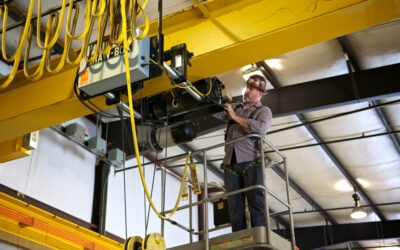
Daily checks catch small problems early. Look for worn cables, loose bolts, and unusual sounds. Check controls and brakes for proper function. Weekly, clean the hoist to remove dirt and debris. Check the hook and safety latch for damage. Record any faults found. These checks keep the hoist ready for use.
Monthly Inspections
Monthly inspections go deeper than daily checks. Examine all moving parts for wear and tear. Test limit switches and safety devices. Check the motor and gearbox for signs of overheating or leaks. Lubricate parts as needed to reduce friction. Monthly reviews help spot issues before they grow. Keep detailed records of each inspection.
Annual Professional Servicing
Annual servicing must be done by a qualified technician. They perform a thorough check of the entire hoist. Inspect internal components and electrical systems. Replace worn parts and update software if needed. Test load capacity and safety features under controlled conditions. This service ensures the hoist meets safety standards. It extends the lifespan of your equipment.
Key Maintenance Tasks
Maintaining a hoist ensures it works safely and lasts longer. Key maintenance tasks keep the hoist in good shape. These tasks focus on parts that wear out or get dirty. Regular attention helps avoid breakdowns and costly repairs. Here are the main tasks to perform regularly.
Lubrication And Cleaning
Lubricate moving parts to reduce wear and tear. Use the right oil or grease recommended by the manufacturer. Clean dirt, dust, and debris from the hoist surface. Avoid buildup that can block parts or cause rust. Regular cleaning helps the hoist run smoothly and safely.
Inspecting Wire Ropes And Chains
Check wire ropes and chains for signs of damage or wear. Look for broken strands, rust, or kinks in the wire ropes. Spot stretched, cracked, or worn links in chains. Replace damaged ropes or chains immediately. Regular inspection prevents accidents and keeps the hoist reliable.
Testing Brakes And Controls
Test the hoist brakes to ensure they hold the load firmly. Check control buttons and switches for proper function. Replace faulty controls or worn brake parts quickly. Proper brake and control operation is vital for safe hoist use.
Credit: www.gohispeed.com
Signs Your Hoist Needs Immediate Service
Knowing the signs that your hoist needs immediate service is important for safety and efficiency. Ignoring these signs can lead to accidents or costly repairs. Watch for changes in how your hoist sounds, moves, or looks. These changes often mean it is time to act fast.
Unusual Noises Or Vibrations
Listen closely for strange noises during operation. Grinding, squeaking, or banging sounds are warning signals. Vibrations that were not there before also suggest internal problems. These noises and vibrations may indicate worn parts or loose components. Do not ignore them. Stop using the hoist and have it checked right away.
Slower Lifting Speeds
If your hoist lifts loads more slowly, it could mean a problem. Reduced speed often points to motor or gearbox issues. It can also signal a lack of lubrication or electrical faults. Slower operation affects productivity and safety. Prompt service can prevent further damage and downtime.
Visible Wear Or Damage
Inspect the hoist regularly for visible damage. Look for cracks, rust, or worn cables and hooks. Any signs of wear can weaken the hoist’s strength. Damaged parts increase the risk of failure during use. Replace or repair damaged components immediately to keep the hoist safe and reliable.
Choosing A Qualified Service Provider
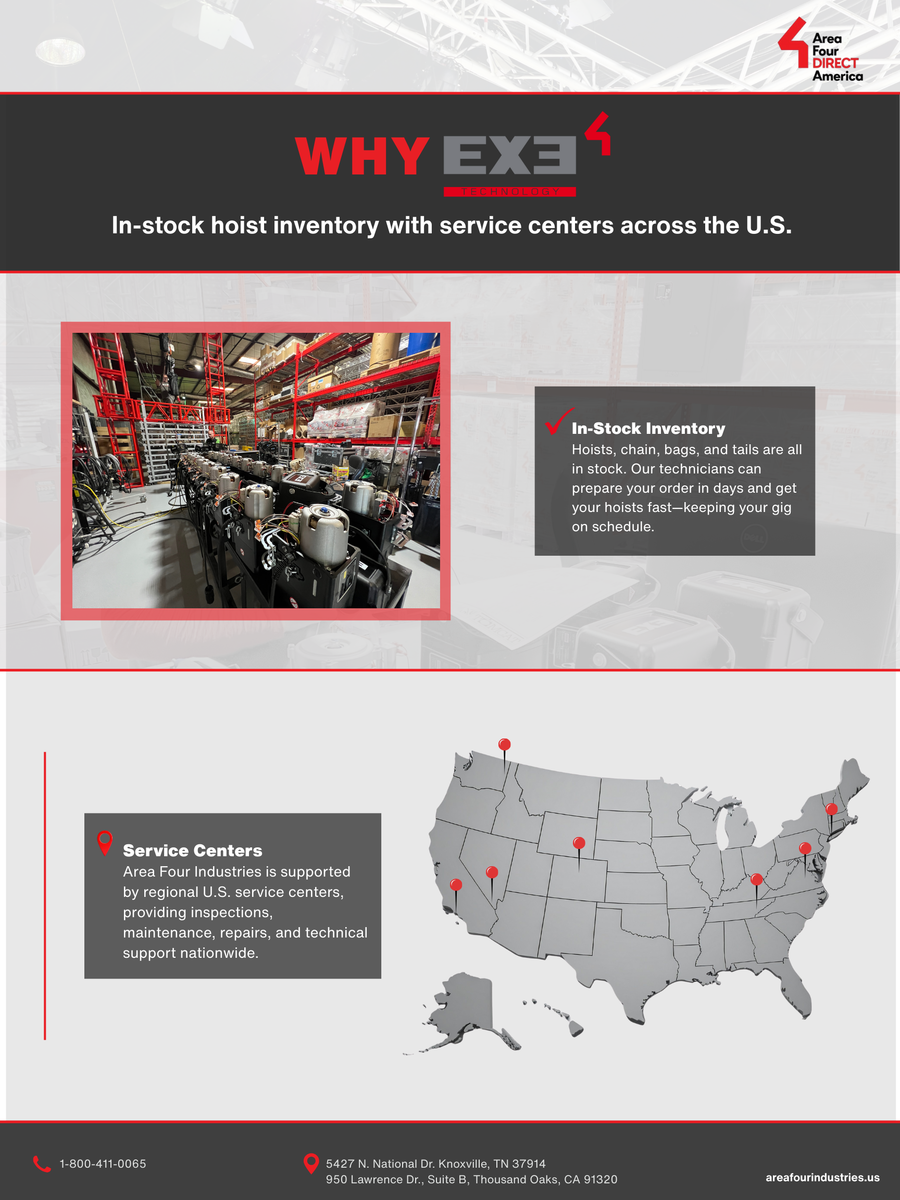
Choosing a qualified service provider for your hoist maintenance is important. The right provider ensures safety and keeps your equipment working well. Poor servicing can lead to costly repairs and safety risks. Selecting a skilled and trusted professional saves time and money.
Certification And Experience
Always check the provider’s certifications. Certified technicians have the skills needed to service hoists safely. Experience matters a lot. Providers with years of work understand different hoist models and common issues. They follow industry standards and use the right tools.
Service Contracts And Support
Service contracts offer regular check-ups and scheduled maintenance. This keeps your hoist in good condition. Support from the provider helps with quick answers to your questions. Reliable support means less downtime and fewer surprises with your hoist.
Emergency Repair Options
Hoists can break down unexpectedly. Emergency repair services are vital to minimize downtime. Choose a provider who offers fast response times. Quick repairs protect your work schedule and reduce risks of accidents.
Credit: www.tomcatglobal.com
Tips For Maintaining Hoist Performance
Keeping your hoist in good condition helps it last longer and work safely. Regular care improves performance and prevents breakdowns. Follow simple steps to maintain your hoist well. These tips help avoid costly repairs and keep your work running smoothly.
Proper maintenance also ensures safety for the operator and others nearby. Understanding the right habits and routines makes a big difference. Focus on training, storage, and record keeping to get the best results.
Operator Training And Best Practices
Train all hoist operators carefully. Teach them how to use the hoist correctly. Proper use lowers the chance of damage or injury. Encourage operators to check the hoist before each use. Spotting issues early stops small problems from growing. Always follow the manufacturer’s instructions for safe operation.
Proper Storage And Handling
Store the hoist in a dry, clean place. Avoid areas with extreme temperatures or moisture. Proper storage prevents rust and corrosion. Handle the hoist gently to avoid drops or shocks. Use protective covers when the hoist is not in use. Clean the hoist regularly to remove dirt and debris.
Record Keeping And Maintenance Logs
Keep a detailed log of all maintenance work. Note inspections, repairs, and parts replaced. This helps track the hoist’s condition over time. Use the log to plan regular service intervals. Accurate records improve safety and extend the hoist’s life. Review the log before each service to know what needs attention.
Frequently Asked Questions
How Often Should A Hoist Be Serviced?
A hoist should be serviced at least once every six months. Regular servicing ensures safety, reliability, and compliance with industry standards. Frequent use or harsh conditions may require more frequent checks to prevent breakdowns and extend equipment life.
What Factors Affect Hoist Service Frequency?
Service frequency depends on usage intensity, environment, and hoist type. Heavy daily use or exposure to dust and moisture demands more frequent maintenance. Following manufacturer guidelines and industry regulations helps determine the ideal service schedule.
Can I Perform Hoist Maintenance Myself?
Basic inspections can be done by trained operators, but professional servicing is essential. Certified technicians have the tools and knowledge to identify hidden issues and perform thorough repairs. Proper maintenance ensures safety and avoids costly downtime.
What Are The Risks Of Not Servicing A Hoist Regularly?
Neglecting regular service increases the risk of equipment failure and accidents. Worn components can cause hoist malfunction, leading to injuries and costly repairs. Regular maintenance keeps the hoist safe, efficient, and compliant with safety standards.
Conclusion
Regular hoist servicing keeps equipment safe and reliable. Check the manufacturer’s guidelines for service frequency. Frequent use means you should service it more often. Neglecting maintenance can cause costly repairs or accidents. Keep records of every service for better tracking.
A well-maintained hoist lasts longer and works smoothly. Don’t wait for problems—service your hoist on time. Safety and efficiency depend on proper care. Simple steps prevent breakdowns and save money. Stay safe and keep your work running without delays.

