
Are you thinking about adding a winch to your vehicle but wondering how much it will cost to install? Knowing the price upfront can help you plan your budget and avoid surprises later.
Whether you need a winch for off-roading, work, or emergencies, understanding installation costs is key to making the right choice. You’ll discover the factors that affect the price, what to expect during installation, and tips to get the best value for your money.
Keep reading to find out everything you need to know before you commit to installing a winch.
Winch Types And Price Ranges
Choosing the right winch depends on the type and cost. Different winches serve different needs. The price varies by power, size, and installation type. Understanding winch types helps you decide what fits your budget and use.
Electric Winches
Electric winches use a motor powered by your vehicle’s battery. They are easy to install and use. Prices range from $150 to $600 for the winch alone. Installation costs can add $100 to $300. They work well for most light to medium tasks.
Hydraulic Winches
Hydraulic winches run on your vehicle’s hydraulic system. They offer strong pulling power and last longer. The winch price starts around $500 and can go over $1,500. Installation is more complex and may cost $300 to $700. These are best for heavy-duty jobs and large vehicles.
Manual Winches
Manual winches use hand power to pull loads. They are the cheapest option, with prices from $50 to $200. Installation is simple or may not be needed. These winches suit light loads or emergency use. They require physical effort and are less fast than powered winches.
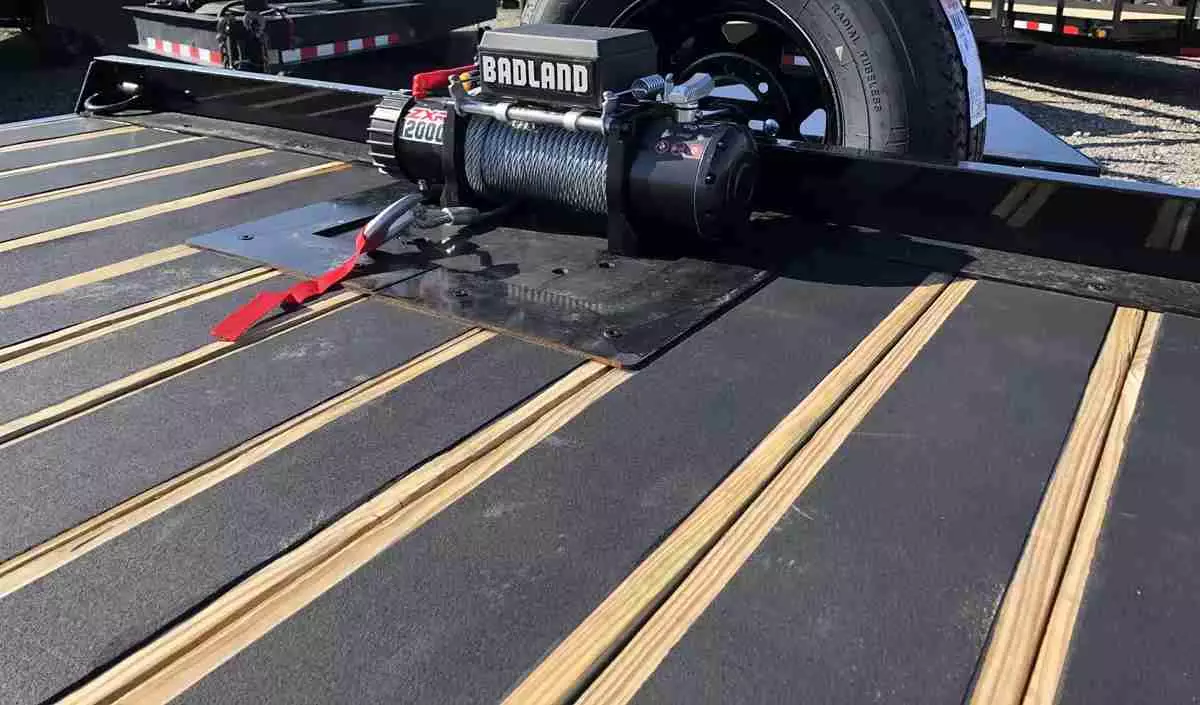
Credit: neighborstrailer.com
Factors Influencing Installation Costs
Several factors affect the cost of installing a winch. Understanding these helps plan your budget better. The price varies based on the winch type and your vehicle. Labor and extra parts also add to the total cost. Each factor plays a key role in the final price.
Winch Size And Capacity
Winch size impacts installation cost directly. Larger winches need stronger mounts and wiring. Higher capacity winches require more power and careful setup. Small winches are easier and cheaper to install. Choose a winch size based on your needs and budget.
Vehicle Type And Model
Different vehicles need different installation methods. Trucks and SUVs often need more work than smaller vehicles. Some models have limited space for mounting the winch. Custom brackets or modifications may raise the cost. Know your vehicle’s specifics before deciding.
Labor Charges
Labor costs vary by location and mechanic skill. Experienced professionals charge more but ensure quality work. Installation time depends on winch size and vehicle model. Some jobs take a few hours; others may take longer. Ask for estimates from multiple shops to compare prices.
Additional Accessories
Extras like remote controls or switches add to cost. Heavy-duty cables and protective covers may be needed too. Some accessories improve safety and convenience. The more accessories you add, the higher the total price. Pick only necessary extras to keep costs down.
Diy Vs Professional Installation
Choosing between installing a winch yourself or hiring a professional is important. Both choices affect cost, time, and safety. Understanding the benefits and drawbacks helps make the right decision.
Pros And Cons Of Diy
Doing the installation yourself saves money on labor. It allows you to learn new skills and work on your own schedule. You control the process from start to finish.
DIY can take longer without experience. Mistakes may cause damage or reduce safety. Some tools and knowledge are necessary to complete the job well.
When To Hire A Pro
Hire a professional if you lack electrical or mechanical skills. Professionals have the right tools and experience. They finish the job faster and ensure proper safety.
Complex winch systems or vehicles with tight spaces need expert help. A pro avoids risks like wiring errors or weak mounts. This prevents costly repairs later.
Cost Comparison
DIY installation costs less upfront, mainly the winch and tools. Professionals charge for labor, which can double the price. Labor fees usually range from $100 to $300.
Choosing a pro might save money by avoiding mistakes. DIY suits those on a tight budget or with time to learn. Both options depend on your skills and comfort level.
Credit: www.supersmittys.com
Typical Installation Cost Breakdown
Understanding the typical costs of winch installation helps plan your budget well. The overall price breaks down into three main parts. Each part has its own impact on the final cost.
Knowing these parts clearly can prevent surprises. It also helps you compare quotes better. Here is a simple cost breakdown for winch installation.
Parts And Materials
The winch itself is the biggest cost here. Prices vary by brand, size, and power. You also need cables, mounting plates, and bolts. These small parts add up. Good quality materials last longer and work better.
Labor Fees
Experts usually charge per hour or per job. Installation can take two to five hours. Labor costs depend on your location and the shop’s rate. Skilled workers ensure safe and correct setup. Cheaper labor may save money but risk poor installation.
Miscellaneous Expenses
Extra costs include wiring, connectors, and switches. Sometimes, you may need to modify your vehicle. This can raise prices. Delivery fees or taxes might also apply. Always ask for a full price estimate before work starts.
Winch Maintenance And Long-term Costs
Installing a winch involves more than just the initial cost. Winch maintenance and long-term costs matter a lot. Proper care keeps your winch working well and lasting longer. Neglecting maintenance can lead to costly repairs or early replacement. Understanding these costs helps you plan better for your winch investment.
Regular Maintenance Needs
Winches need regular checks and care. Clean the winch after use, especially if it gets dirty or wet. Check the cable or rope for wear and tear. Lubricate moving parts to prevent rust and friction. Test the winch’s operation often to catch problems early. Regular maintenance prevents big issues and keeps the winch safe to use.
Repair And Replacement Costs
Repairs can cost from small fees to several hundred dollars. Common repairs include fixing the cable, motor, or drum. Replacement parts vary in price depending on the winch model. Sometimes, the whole winch may need replacing, which costs more. Knowing repair costs helps you budget for future expenses.
Where To Buy Winches For Best Prices
Finding the best prices for winches starts with knowing where to buy them. Prices can vary a lot based on the seller. Choosing the right place can save money and ensure the winch fits your needs.
Many buyers prefer to explore different options before making a purchase. Some look for convenience, others for a better deal. Understanding the advantages of each buying option helps make a smart choice.
Online Retailers
Online stores offer a wide range of winches at competitive prices. Many websites provide customer reviews to help decide. Shopping online allows comparing prices quickly. Free shipping deals can lower total costs. Easy returns make online shopping less risky.
Local Dealers
Local dealers provide hands-on help and advice. You can see the winch before buying. Local stores may offer installation services. Supporting local businesses keeps money in your community. Sometimes, local dealers have special in-store discounts.
Used Winches Market
Used winches cost less than new ones. Check online marketplaces or local classifieds. Inspect the winch carefully for damage or wear. Buying used requires more caution but saves money. Some sellers offer short warranties on used products.
Tips To Save On Winch Installation
Installing a winch can be costly, but there are ways to save money. Knowing how to cut costs helps you get the best value. Simple steps can reduce installation expenses without lowering quality.
Choosing The Right Winch
Select a winch that fits your needs. Avoid buying the most expensive model if a cheaper one works. Check the winch’s capacity and features. A suitable winch saves money on both purchase and installation.
Bundling Services
Combine winch installation with other vehicle services. Many shops offer discounts for bundled work. You might save on labor costs by grouping repairs or upgrades together. Ask your mechanic about package deals.
Seasonal Discounts
Look for sales during off-peak seasons. Some shops lower prices in winter or slow months. Plan your installation during these times to benefit from discounts. Keep an eye on promotions from local installers.
Credit: www.supersmittys.com
Frequently Asked Questions
How Much Does Winch Installation Typically Cost?
Winch installation costs range from $100 to $500 depending on winch type and vehicle. Labor fees and wiring complexity affect the price. Professional installation ensures safety and proper function.
What Factors Affect Winch Installation Price?
Winch size, vehicle type, and installation difficulty impact costs. Electrical work and mounting hardware add expenses. Custom setups or off-road modifications can increase the price.
Can I Install A Winch Myself To Save Money?
DIY winch installation is possible with mechanical skills and tools. However, improper setup risks damage or injury. Professionals guarantee correct, safe installation and may save costs long-term.
Is Winch Installation Included In The Purchase Price?
Most winches are sold without installation. Some dealers offer packages including installation for extra fees. Always confirm if installation is included or a separate cost.
Conclusion
Installing a winch can vary in cost based on many factors. Choosing the right type and size affects the price. Labor charges also add to the total expense. Knowing these details helps plan your budget better. A winch is a useful tool worth the investment.
Take time to compare options before deciding. This way, you get the best value for your money.

![Read more about the article What Size Winch for Jeep [A Detailed Guide]](https://autopartsguideline.com/wp-content/uploads/2021/10/what-size-winch-for-Jeep-300x209.webp)
