
Are you wondering if you can use your winter wiper blades during summer? It’s a common question that many drivers ask, especially when changing seasons.
Using the right wiper blades can make a big difference in your visibility and safety on the road. But what happens if you don’t switch them out? You’ll discover why winter wiper blades might not be the best choice for warm weather and what you should do to keep your windshield clear all year round.
Keep reading to find out how to protect your vision and drive safer no matter the season.
Winter Wiper Blades Features
Winter wiper blades have special features that help them work well in cold weather. These features make them different from regular blades. Understanding their design and materials explains why they last in winter conditions. It also helps to see how they perform when temperatures drop. This knowledge is useful before deciding to use winter blades in summer.
Design And Materials
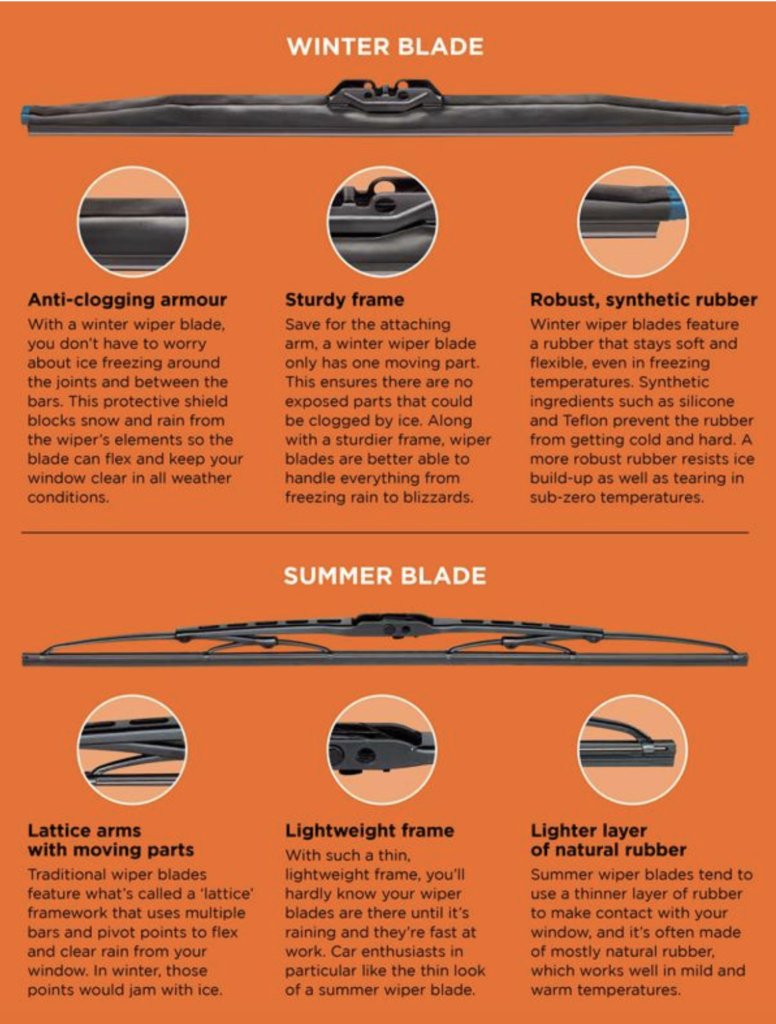
Winter wiper blades have a strong, flexible rubber edge. This edge resists cracking in cold weather. The blade frame is often covered with a protective coating. This keeps ice and snow from sticking to the frame. The design includes a shield that covers the blade’s moving parts. This shield stops ice buildup and keeps the blade flexible. Materials used are tougher than those in regular blades. This makes them last longer in harsh winter conditions.
Performance In Cold Weather
Winter blades clear snow and ice better than regular blades. They stay flexible even in freezing temperatures. This flexibility helps the blade stay close to the windshield. It removes water and ice without leaving streaks. Winter blades also resist freezing to the glass. This prevents damage to both the blade and windshield. Their performance reduces the risk of poor visibility. Drivers can see clearly and drive safer in winter storms.
Summer Wiper Blades Characteristics
Summer wiper blades have special features designed for hot weather. They work well under high temperatures and bright sunlight. These blades offer clear vision by wiping away rain, dust, and bugs. Their design focuses on durability and smooth performance during summer months.
Understanding summer wiper blades helps decide if winter blades fit summer use. Key points include the materials used and how effective they are in warm conditions.
Blade Composition
Summer wiper blades use soft rubber or silicone materials. These materials resist cracking from heat and sun exposure. They stay flexible to clear water without streaks. The blade frame is usually lightweight and rust-resistant. This helps the blade last longer under summer stress.
Effectiveness In Warm Conditions
Summer blades handle heat without losing shape. They glide smoothly over dry or wet windshields. Their design reduces noise and vibration during wiping. These blades clear away summer dirt, bugs, and light rain well. They avoid sticking or tearing on hot glass surfaces.
Using Winter Blades In Summer
Using winter wiper blades during summer is a question many drivers ask. These blades are designed for cold, snowy conditions. They have a rubber coating that protects the blade in ice and snow. But can they work well in warm weather? Let’s explore the pros and cons.
Advantages And Disadvantages
Winter blades clear ice and snow better than regular ones. They have a sturdy frame that stops snow build-up. This helps keep your windshield clear in cold months.
In summer, the sturdy frame is less useful. The rubber on winter blades is softer to stay flexible in cold. This softness can wear out faster on hot roads.
Winter blades may clean water well in rain. But they may leave streaks or miss spots due to the blade design. This affects visibility.
Potential Wear And Tear
Heat can cause winter blades to wear quickly. The rubber may become too soft and break down. This leads to cracks and poor wiping.
Sunlight also harms the rubber. UV rays dry out the blade, making it brittle. Over time, the blade loses its shape and function.
Using winter blades all year can shorten their life. It may cost more to replace them often. Regular summer blades suit warm weather better.

Credit: www.youtube.com
Impact On Visibility And Safety
Using winter wiper blades in summer affects your driving safety. Visibility is key to safe driving. Poor visibility raises the risk of accidents. Winter blades have a special design made for cold, icy conditions. This design changes how they work in warm weather.
Performance Differences
Winter blades have thicker rubber and a protective cover. They clear snow and ice well. In summer, this thick rubber wears out faster. The cover can stop the blade from touching the glass fully. This leaves streaks and reduces visibility. Summer blades have softer rubber that cleans better on hot glass. Winter blades may also be noisier in dry conditions.
Driving Conditions To Consider
Think about where you drive most. In rainy summer climates, winter blades may not clear water as well. On dry, sunny days, they can leave marks on your windshield. Dust and dirt also stick more to winter blades. If you drive in areas with sudden summer storms, winter blades might still help. For mainly dry, warm places, summer blades are safer and clearer.
Maintenance Tips For All-season Use
Using winter wiper blades in summer is possible with proper care. These blades are designed for cold weather but need maintenance to last year-round. Regular cleaning and timely replacement help keep your windshield clear. Follow simple steps to keep the blades working well through all seasons.
Cleaning And Care
Clean the blades often to remove dirt and dust. Use a soft cloth and mild soap with water. Wipe the rubber gently to avoid damage. Check for any cracks or stiffness. Keep the windshield clean too. Dirt can reduce the blade’s efficiency and scratch glass.
When To Replace Blades
Replace blades if they leave streaks or miss spots. Look for cracks, tears, or bending in the rubber. If the blade feels hard or brittle, it is time for new ones. Change them every six to twelve months for the best performance. Clear vision keeps driving safe in all weather.

Credit: www.farmandfleet.com
Alternatives To Switching Blades
Switching wiper blades between seasons can take time and effort. Many drivers want a simpler solution. Alternatives to switching blades offer convenience without sacrificing performance. These options work well in different weather conditions. They help keep your windshield clear all year.
All-season Wiper Blades
All-season wiper blades suit both winter and summer use. They have flexible rubber that resists heat and cold. These blades clear water, snow, and ice effectively. Their design prevents cracking in hot weather. They also maintain good contact with the windshield. All-season blades reduce the need for frequent changes.
Hybrid Designs
Hybrid wiper blades combine features of traditional and beam blades. They have a sturdy frame with a flexible rubber edge. This design adapts to curved windshields and rough weather. Hybrid blades perform well in rain, snow, and sun. They offer quiet wiping and strong durability. These blades are a smart middle ground choice.
Credit: www.reddit.com
Frequently Asked Questions
Can Winter Wiper Blades Be Used In Summer?
Yes, winter wiper blades can be used in summer. However, they may wear out faster due to heat. Their rubber is softer, which can reduce effectiveness on dry glass. It’s best to switch to regular blades for optimal performance in warm weather.
Do Winter Wiper Blades Damage Windshield In Summer?
Winter blades usually do not damage the windshield in summer. But their softer rubber can leave streaks on hot glass. Prolonged use may cause faster blade degradation. Regular blades are recommended to maintain clear visibility and protect your windshield.
Are Winter Wiper Blades Less Effective In Summer?
Winter wiper blades are less effective in summer. Their design suits snow and ice removal, not dry or hot conditions. Soft rubber can cause streaking and reduced wiping performance. For best results, use summer or all-season blades during warm months.
How Often Should Winter Wiper Blades Be Replaced?
Winter wiper blades should be replaced every 6 to 12 months. Harsh winter conditions wear them faster. Using them in summer can shorten lifespan. Inspect blades regularly for cracks, tears, or streaks to ensure clear visibility and safety.
Conclusion
Winter wiper blades can work in summer, but they are not ideal. They wear out faster on hot, dry roads. Summer blades offer better cleaning and last longer. Using the right wiper blades improves your safety and visibility. Change blades with the seasons for the best results.
Your car will stay clean, and your view will stay clear. Choose blades made for summer to avoid streaks and noise. It’s a small step that makes a big difference on the road.