
When was the last time you changed your wiper blades? If you’re like many drivers, you might replace just one blade when it starts to wear out.
But is that really the best choice for your safety and comfort on the road? Replacing wiper blades in pairs could save you from streaky windshields, poor visibility, and even accidents. You’ll discover why changing both blades at the same time might be the smartest move for your car—and how it can give you a clearer, safer drive every time you hit the road.
Keep reading to find out if you should replace wiper blades in pairs and how it benefits you.

Credit: www.crossculturesbycheryltiu.com
Why Replace Wiper Blades Together
Replacing wiper blades together keeps your car’s windshield clear and safe. Both blades age and wear at the same rate. Changing only one can cause uneven wiping and poor visibility. Understanding why replacing wipers in pairs matters helps you make smart car care choices.
Ensuring Even Wear And Performance
Wiper blades work as a pair to clear water and dirt. If one blade is new and the other old, the wiping won’t be smooth. Uneven wear causes streaks and missed spots on your windshield. Replacing both blades ensures they wipe evenly and perform well. This keeps your view clear during rain or snow.
Safety Benefits On The Road
Clear vision is key to safe driving. Old blades reduce your ability to see in bad weather. One worn blade and one new blade can create blind spots. Replacing both blades improves your windshield’s clarity. This helps you react faster and avoid accidents on wet roads.
Cost-effectiveness Of Pair Replacement
Buying two wiper blades at once often costs less than buying one now and another later. Changing both blades together saves time and effort. It prevents damage from uneven wiping, which can save money on repairs. Pair replacement is a smart choice for your wallet and your car.
Credit: sdusdfamilies.org
Signs It’s Time To Change Both Blades
Knowing when to replace both wiper blades saves time and improves safety. Sometimes, one blade looks fine but the other wears out faster. Changing both blades together helps keep your windshield clear and your driving safe. Watch for clear signs that both blades need replacement.
Visible Damage And Wear
Check your wiper blades for cracks or tears in the rubber. Look for bent frames or loose parts. If one blade shows damage, the other likely has some wear too. Replacing both prevents uneven wiping and streaks.
Streaking And Skipping Issues
Blades should wipe smoothly without leaving marks. Streaks or skipped spots mean blades are not working well. Dirt or hardened rubber can cause these issues. Both blades often wear out at the same rate, so swap them together for best results.
Age And Environmental Factors
Wiper blades usually last six to twelve months. Sun, rain, and cold weather can wear them faster. If one blade is old, the other is likely old too. Changing both blades at the same time keeps your windshield clear in all weather.
Risks Of Replacing Only One Blade
Replacing only one wiper blade might seem like a quick fix. Yet, it can cause problems that affect your driving safety. Using blades of different ages and conditions leads to uneven performance on the windshield. This section explains the main risks of changing just one blade instead of both.
Uneven Visibility
One new blade wipes clean while the old one may leave streaks. This difference causes uneven visibility during rain or snow. Drivers can get distracted or miss important details on the road. Clear and consistent wiping is crucial for safe driving.
Inconsistent Wiping Quality
Old blades wear out and lose flexibility over time. A new blade moves smoothly, but the old one might skip or chatter. This inconsistency reduces the overall wiping quality. Rain and dirt do not clear properly, affecting your view.
Potential For Increased Wear
New blades work harder to compensate for the old blade’s poor condition. This extra effort can cause faster wear on the new blade. Wiper motors also strain more, which might lead to damage. Replacing both blades helps maintain balance and durability.
How To Choose The Right Wiper Blades
Choosing the right wiper blades helps keep your windshield clear and safe. The right blades fit well and last longer. They wipe smoothly without leaving streaks or noise. Picking the best blades means knowing what size and type your car needs. Also, the material affects how long they work well. Price and brand can guide your choice too. Here are key points to help you choose the right wiper blades.
Matching Size And Type
Check your car’s manual or measure your old blades. Wiper blades come in different lengths for driver and passenger sides. Some cars need special types like beam or frame blades. Using the wrong size causes poor wiping and damage. Choose blades that fit your car model exactly. Proper fit means better contact with the windshield.
Material Options And Durability
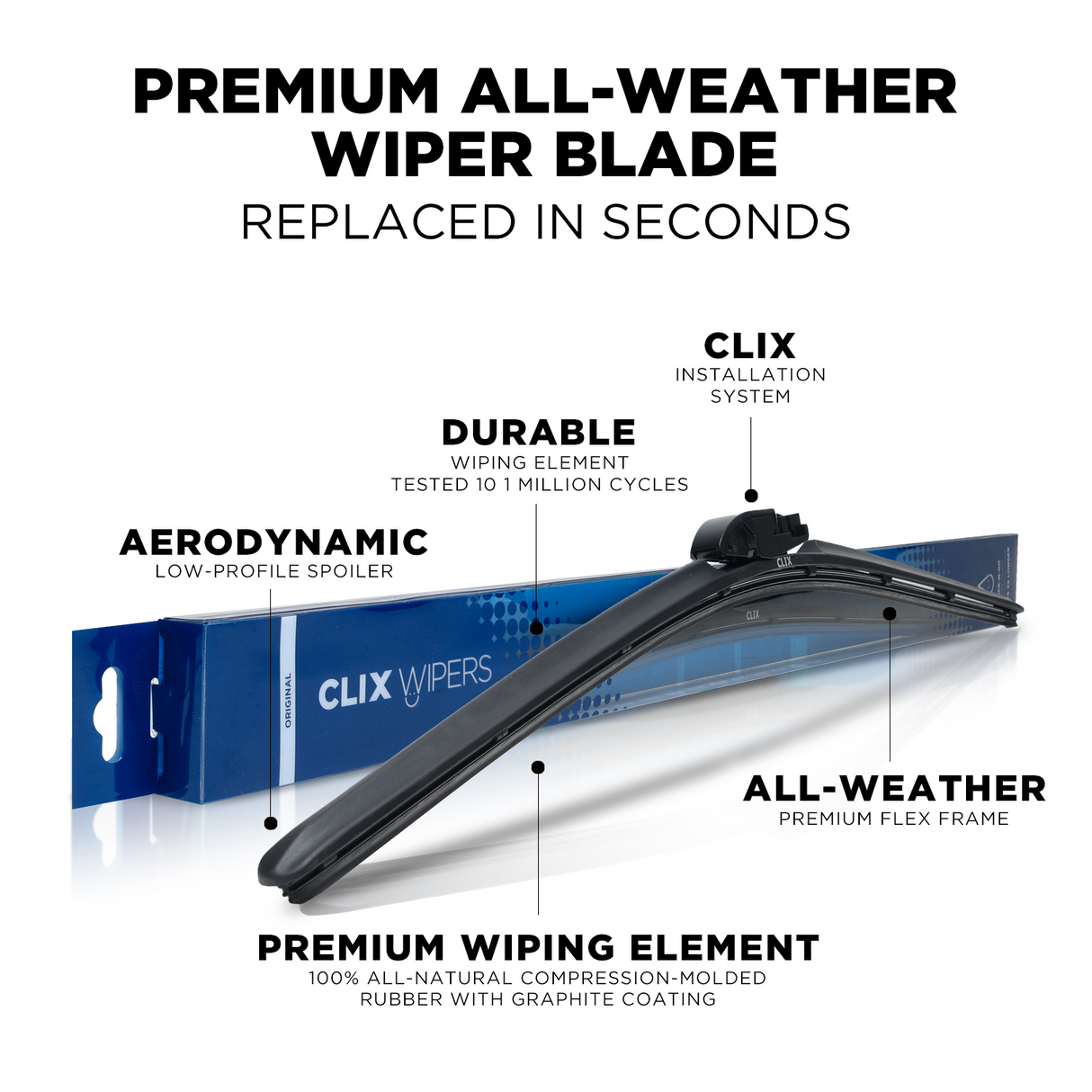
Wiper blades use rubber, silicone, or hybrid materials. Rubber blades are common and affordable. Silicone blades last longer and resist heat and cold. Hybrid blades combine frame and beam styles for better performance. Choose material based on your climate and how often you drive. Durable blades save money by needing fewer replacements.
Brand And Price Considerations
Well-known brands often offer reliable quality and warranties. Cheaper blades might wear out fast or streak more. Expensive blades do not always mean better quality. Balance cost with brand reputation and reviews. Buy blades from trusted sellers to avoid fake products. Good blades improve driving safety in all weather.
Step-by-step Wiper Blade Replacement
Replacing wiper blades is a simple task that anyone can do. It keeps your windshield clear and driving safe. Follow these easy steps for a smooth wiper blade replacement. This guide helps you save time and avoid mistakes.
Tools Needed
Gather a few basic tools before you start. You need a flathead screwdriver and a new pair of wiper blades. Some cars may only require your hands. Check your car manual for specific needs.
Removing Old Blades Safely
Lift the wiper arm away from the windshield. Press the small tab on the blade connector. Slide the old blade down and off the arm carefully. Avoid bending the wiper arm to prevent damage. Dispose of the old blades properly.
Installing New Blades Correctly
Align the new blade with the wiper arm hook. Slide it up until you hear a click. Make sure the blade is secure and locked in place. Gently lower the wiper arm back to the windshield. Test the new blades by turning on the wipers.
Maintaining Wiper Blades For Longevity
Maintaining wiper blades helps them last longer and work better. Good care stops streaks and noise. It also keeps your windshield clear in rain or snow. Simple habits can save money and improve safety on the road.
Wiper blades face tough conditions every day. Dirt, sun, and cold can wear them out fast. Protecting them with regular care keeps them smooth and effective.
Regular Cleaning Tips
Clean wiper blades often using a soft cloth and mild soap. Wipe the rubber edge gently to remove dirt and grime. Avoid harsh chemicals that can damage the rubber. Clean windshield glass too. This reduces drag and helps blades glide smoothly.
Avoiding Damage From Environmental Exposure
Park your car in shade to protect blades from sun damage. Heat makes rubber dry and crack. In winter, lift blades off the glass to stop ice from sticking. Avoid using wipers to clear heavy snow. This can tear the rubber or bend the frame.
Routine Inspection Practices
Check wiper blades every month for cracks or tears. Look for areas where the rubber is hard or missing. Test blades by spraying water on the windshield and turning them on. Replace blades if streaks or skips appear. Early detection prevents damage to the windshield.
Credit: www.slashgear.com
Frequently Asked Questions
Should I Replace Both Wiper Blades At The Same Time?
Yes, replacing both wiper blades together ensures even wear and consistent performance. It improves visibility and safety during bad weather. Uneven blades can cause streaks and reduce wiping efficiency. Pair replacement saves time and maintains balanced windshield cleaning.
What Happens If I Replace Only One Wiper Blade?
Replacing only one blade can cause uneven wiping and streaks. The old blade may smear water, reducing visibility. It also leads to inconsistent pressure on the windshield. This can cause faster wear on the new blade and increase driving hazards.
How Often Should Wiper Blades Be Replaced In Pairs?
Wiper blades should be replaced every 6 to 12 months. Replacing them in pairs ensures uniform performance and longevity. Check for streaks, chattering, or reduced visibility as signs for replacement. Weather conditions may affect replacement frequency.
Can Mismatched Wiper Blades Damage My Windshield?
Mismatched blades can cause uneven pressure and streaking. This may lead to scratches or damage over time. Consistent blade quality and size help protect the windshield surface. Always use compatible blades for your vehicle model.
Conclusion
Replacing wiper blades in pairs keeps your windshield clear and safe. Both blades wear out over time, so changing one blade alone can cause uneven wiping. New blades work best together for smooth, streak-free performance. This simple step helps avoid sudden problems during rain or snow.
Save time and effort by replacing both blades at once. Your driving safety improves with balanced, clean wipers. Don’t wait until one blade fails—stay prepared and confident on the road. Clean, clear vision matters every time you drive.