Choosing the right winch rating can feel confusing. You want to make sure your winch is strong enough to handle tough jobs without wasting money on one that’s too powerful.
But how do you figure out exactly what winch rating you need for your vehicle or project? You’ll discover simple steps to calculate the perfect winch rating. By the end, you’ll have the confidence to pick a winch that keeps you safe, saves you time, and gets the job done right every time.
Keep reading to find out how easy it can be.
Winch Basics
Understanding the basics of winches helps you choose the right one. Winches are useful tools for pulling or lifting heavy loads. Knowing how they work and what parts they have is important before buying. This guide covers the fundamental points about winches.
How Winches Work
A winch uses a spool and a motor or manual handle. The spool winds or unwinds a cable or rope. This action pulls or releases the load attached to the cable. The motor or handle gives the force to move heavy objects. Winches convert small effort into strong pulling power.
Types Of Winches
There are several types of winches based on power source and use. Electric winches run on a battery and are common on trucks. Hydraulic winches use fluid pressure for stronger force. Manual winches require physical effort with a crank or lever. Each type suits different tasks and weight limits.
Key Winch Components
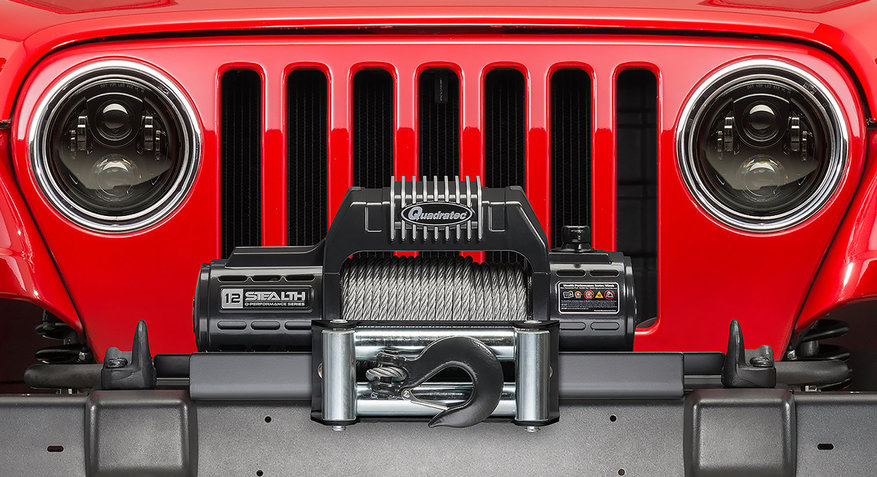
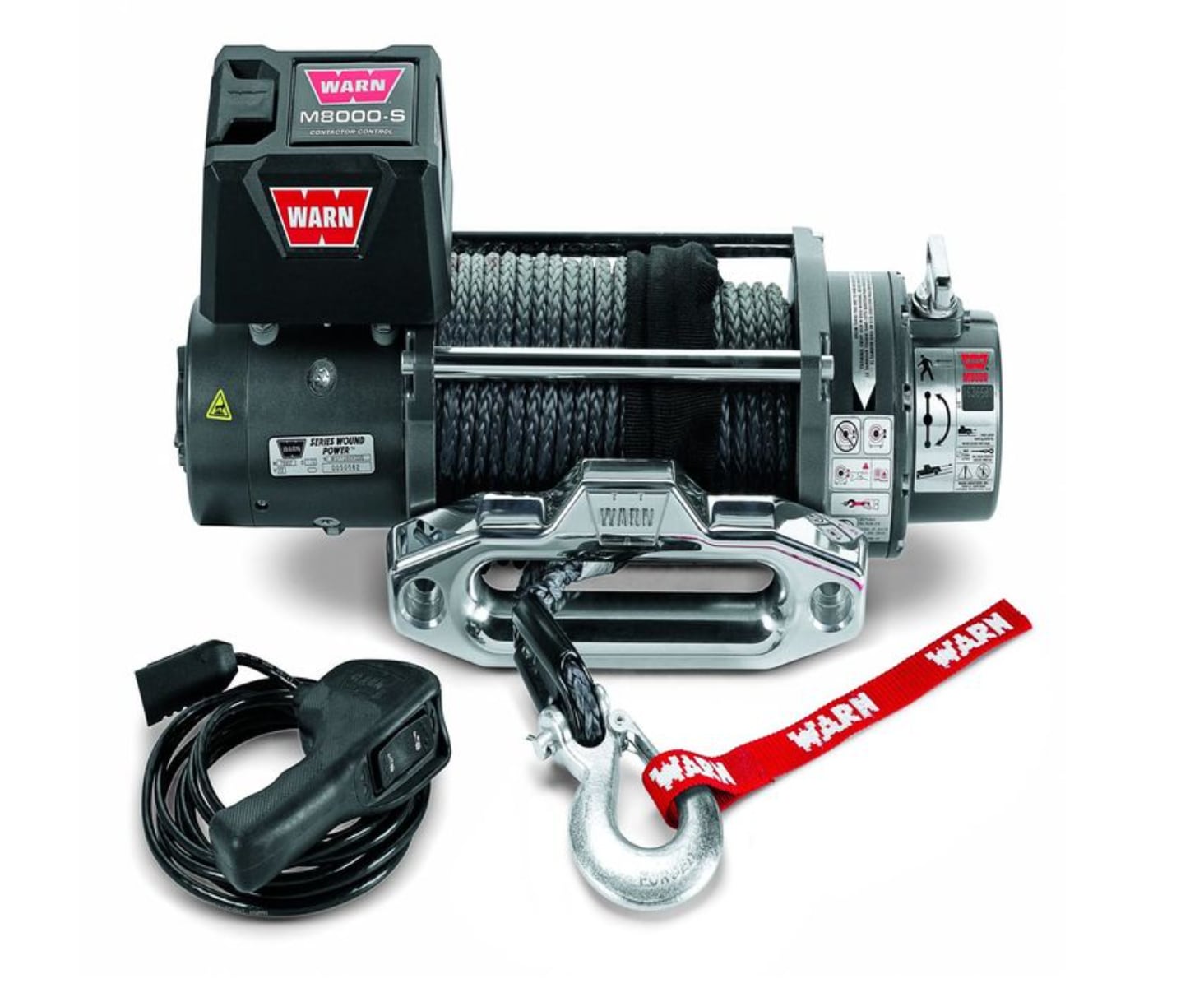
Winches have main parts that work together. The drum holds the cable or rope. The motor or crank powers the drum. The gear system controls the speed and strength of pulling. A brake stops the drum from turning unexpectedly. The cable or rope connects the winch to the load.
Factors Affecting Winch Rating
Choosing the right winch rating is important for safety and success. Several factors affect the winch rating you need. Understanding these helps you pick the best winch for your tasks.
Each factor plays a role in how much power your winch must have. This ensures smooth and safe pulling or lifting.
Vehicle Weight
The weight of your vehicle is a key factor in winch rating. Heavier vehicles need winches with higher pulling capacity. A winch should handle at least 1.5 times the vehicle’s weight. This gives extra power for tough situations.
Load Weight
The weight of the load you plan to pull affects the winch size. Loads heavier than your vehicle demand stronger winches. Always consider the heaviest load you expect to move. This prevents winch damage and keeps operations safe.
Terrain Challenges
Different terrains create different pulling demands. Mud, sand, or rocky surfaces make pulling harder. Winches need more strength to work well on rough or slippery ground. Think about the toughest terrain you will face when choosing a winch.
Winch Line Angle
The angle of the winch line changes the force needed. Pulling straight is easier than pulling at an angle. Angled pulls reduce winch efficiency and increase stress. Keep the winch line as straight as possible for best results.
Calculating Winch Capacity
Calculating the right winch capacity is key for safe and effective use. It ensures the winch can handle the load without damage or failure. Several factors come into play when deciding the correct rating.
Understanding these steps helps you pick a winch that matches your vehicle and recovery needs. This guide breaks down the main points to consider.
Breaking Down Gross Vehicle Weight
Start by knowing your vehicle’s gross weight. This includes the vehicle plus passengers and cargo. The winch must be able to pull at least this much weight. Use the vehicle’s manual or label for this number. It sets the base for calculating winch capacity.
Considering Safety Margins
Adding a safety margin protects against unexpected stresses. It means choosing a winch that can pull more than the gross vehicle weight. A common rule is to pick a winch with at least 1.5 times the vehicle weight. This reduces the risk of winch failure during tough pulls.
Accounting For Recovery Conditions
Recovery conditions affect the load on your winch. Soft ground, steep hills, or mud increase the force needed. These make the pull harder than just the vehicle weight. Factor in these tougher conditions by increasing the winch capacity further. This extra power helps handle rough recoveries safely.
Credit: www.quadratec.com
Choosing The Right Winch Rating
Choosing the right winch rating is key for safe and effective use. The winch rating tells you the maximum weight it can pull. Picking the correct rating helps avoid damage to your vehicle or winch. It also ensures you have enough power for your needs without carrying extra weight. This section breaks down how to find the right winch rating for your vehicle and activities.
Matching Winch To Vehicle Size
The winch rating should be at least 1.5 times your vehicle’s weight. This gives a safety margin for tough pulls. For example, a 4,000-pound truck needs a 6,000-pound rated winch. Smaller vehicles need lighter winches for easy handling. Larger trucks require stronger winches to manage heavy loads.
Selecting For Off-road Needs
Off-road use demands more power from your winch. Uneven ground and obstacles increase the load on the winch. Choose a rating 2 to 3 times your vehicle’s weight for off-road adventures. This helps you pull out of mud, sand, or steep hills. Better to have more power than not enough.
Balancing Power And Portability
Heavier winches offer more power but add weight and size. Large winches may be harder to mount and carry. Lighter winches are easier to use but might lack strength. Consider your typical use and vehicle capacity. Pick a winch that meets your power needs and fits your vehicle comfortably.
Winch Accessories And Safety Gear
Choosing the right winch rating is important. Equally important are the accessories and safety gear you use. These tools help you work more safely and effectively. They protect both you and your equipment. Below are key accessories and gear to consider.
Snatch Blocks And Pulleys
Snatch blocks and pulleys increase your winch’s pulling power. They help change the direction of the pull. This means you can pull heavier loads with less strain. Using a snatch block also reduces wear on your winch cable. It spreads the force evenly, making recovery safer.
Recovery Straps And Gloves
Recovery straps are strong and flexible. They absorb shock during a pull. This reduces damage to your vehicle and winch. Gloves protect your hands from cuts and burns. Winching can be dangerous without proper hand protection. Always wear gloves when handling cables or straps.
Anchor Points And Tree Protectors
Anchor points hold your winch cable steady during a pull. They must be strong and secure. Trees are common anchor points, but they need protection. Tree protectors prevent damage to bark and roots. They also keep your cable from slipping. Using proper anchors and protectors keeps nature safe and your winch stable.
Credit: www.autozone.com
Common Winch Mistakes To Avoid
Using a winch safely and effectively requires understanding common mistakes. Avoiding these errors can extend your winch’s life and keep you safe. Many users make simple errors that cause damage or accidents. Learning what to avoid helps you pick the right winch rating and use it properly.
Overloading The Winch
Overloading happens when the load exceeds the winch’s capacity. This strains the motor and cable. The winch can fail or the cable can snap. Always know your winch’s maximum load rating. Never pull more than its rated capacity. Overloading shortens the winch’s lifespan and risks injury.
Ignoring Maintenance
Winches need regular care to work well. Dirt, rust, and old grease cause problems. Check the cable for frays and the motor for wear. Lubricate moving parts often. Skipping maintenance can lead to failure during use. Keep your winch clean and inspected to avoid costly repairs.
Incorrect Line Handling
How you handle the winch line matters. Letting the cable tangle or pile up causes damage. Always spool the line evenly and under tension. Avoid kinks and twists in the cable. Use gloves to protect your hands. Proper line handling improves safety and keeps the winch working smoothly.
Maintaining Your Winch
Maintaining your winch helps keep it working safely and lasts longer. Regular care stops problems before they start. It also ensures the winch performs well when you need it most.
Regular Inspection Tips
Check the winch before and after each use. Look for loose bolts, worn cables, or damaged hooks. Listen for unusual sounds during operation. Test the brake and clutch for proper function. Replace any worn or broken parts quickly.
Cleaning And Lubrication
Clean the winch to remove dirt and grime. Use a soft brush or cloth for all parts. Avoid harsh chemicals that can damage components. Lubricate moving parts, such as gears and cables, with the right oil. Proper lubrication reduces wear and keeps the winch running smoothly.
Storing The Winch Properly
Store the winch in a dry, cool place away from moisture. Cover it with a protective cloth or case to keep dust out. Coil the cable neatly to avoid kinks or damage. Disconnect the battery if the winch is electric. Proper storage helps prevent rust and extends the winch’s life.

Credit: www.enthuze.ca
Frequently Asked Questions
What Is Winch Rating And Why Does It Matter?
Winch rating is the maximum load a winch can safely pull. It matters because choosing the right rating ensures safe and efficient operation. Using a winch with insufficient rating risks damage and accidents. Always pick a winch with a rating above your heaviest load.
How To Calculate The Winch Rating I Need?
Multiply your vehicle’s weight by 1. 5 to 2 times for winch rating. This accounts for added resistance and safety margin. For example, a 5,000-pound vehicle needs a 7,500 to 10,000-pound rated winch. This calculation helps avoid underpowered winches.
Can A Higher-rated Winch Damage My Vehicle?
No, a higher-rated winch will not damage your vehicle. It provides extra power and durability. Using a winch with a rating higher than needed ensures safety and longevity. It’s better to have a stronger winch than one that’s too weak.
What Factors Affect The Winch Rating I Should Choose?
Consider vehicle weight, terrain, and recovery conditions. Steep slopes, mud, or snow increase required winch rating. Also, include the weight of any cargo or trailer. These factors help determine the safest and most effective winch rating.
Conclusion
Choosing the right winch rating keeps you safe and efficient. Always pick a winch with a rating higher than your heaviest load. This helps prevent damage and makes pulling easier. Don’t forget to check the terrain and conditions you’ll face.
Proper planning saves time and effort. A good winch is a smart investment for any tough job. Stay prepared, work smart, and avoid surprises. Your winch should match your needs, not just look strong. Simple steps lead to better results and safer work.


