
Have you ever come across the word “hoist” and wondered what it means in Hindi? Whether you’re learning a new language, reading technical manuals, or simply curious, understanding this word can make a big difference.
You’ll discover the exact meaning of “hoist” in Hindi, along with simple examples to help you remember it easily. Keep reading, and by the end, you’ll feel confident using this word in your daily conversations or studies. Don’t miss out on this quick and clear explanation made just for you!
Meaning Of Hoist In Hindi
The word “hoist” is commonly used in English to describe lifting or raising something. Understanding its meaning in Hindi helps in better communication. The word has specific translations and equivalents in Hindi. These help express the same action clearly.
Knowing the Hindi meaning of “hoist” is useful in many contexts. It is often used in mechanical, construction, and everyday situations where lifting is involved.
Literal Translation
The literal translation of “hoist” in Hindi is “ऊठाना” (Oothana). This word means to lift or raise something up. It captures the basic idea of moving an object higher than its original position.
Another literal term is “उठाना” (Uthana), also meaning to lift. Both words are simple and commonly understood in Hindi-speaking regions.
Common Hindi Equivalents
Some common Hindi words used as equivalents for “hoist” include “चढ़ाना” (Chadhana) and “लटकाना” (Latkana). “चढ़ाना” means to raise or put something up. It is often used for flags or banners.
“लटकाना” means to hang or suspend something, which is close to the idea of hoisting. These words help describe specific ways to raise or lift objects in Hindi.

Credit: www.amquipinc.com
Different Contexts Of Hoist
The word “hoist” has different meanings depending on the situation. It is used in many fields and daily talks. Knowing these uses helps understand its Hindi meaning better. Let’s explore the common contexts where “hoist” appears.
Mechanical And Industrial Use
In factories and construction, “hoist” means a machine. It lifts heavy things up or down. Workers use it to move goods safely. The Hindi word for this is “उठाना” (uthana) or “मुक़ाबला करना” when lifting. Hoists are important tools in building and shipping.
Everyday Language Use
People also use “hoist” in daily speech. It means to raise or lift something by hand. For example, “hoist the flag” means to lift the flag up. In Hindi, it translates to “ऊपर उठाना” (oopar uthana). This simple action shows respect or signals something. It is common in ceremonies and sports.
Types Of Hoists
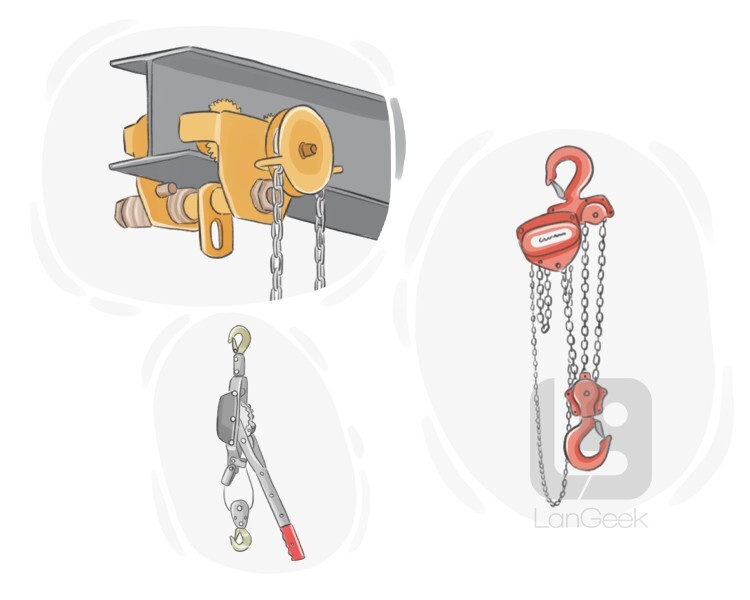
Hoists are machines used to lift heavy objects. They make work easier in many industries. There are different types of hoists. Each type has a unique way to lift loads. Understanding these types helps in choosing the right hoist for a task.
Manual Hoists
Manual hoists work by hand. They use a chain or rope pulled by a person. These hoists do not need electricity. They are simple and easy to use. Manual hoists are good for light loads. They are common in small workshops and garages.
Electric Hoists
Electric hoists use power from electricity. They lift loads faster than manual hoists. These hoists have motors that do the heavy work. Electric hoists are used in factories and construction sites. They can lift very heavy objects safely.
Hydraulic Hoists
Hydraulic hoists use liquid pressure to lift loads. They have a pump and cylinder system. These hoists are strong and can lift very heavy weights. Hydraulic hoists are common in automotive repair shops. They offer smooth and controlled lifting.
Credit: dictionary.langeek.co
Applications Of Hoists
Hoists are vital tools used to lift and move heavy objects. They make work easier and safer in many fields. Understanding their applications helps us see their importance in daily operations.
Hoists come in different types and sizes. Each type fits specific needs across various industries. Their ability to lift heavy loads saves time and effort.
Construction Industry
In construction, hoists lift building materials like steel beams and concrete blocks. They help workers move heavy items to higher floors safely. Hoists speed up the building process and reduce physical strain on workers.
Warehousing And Logistics
Warehouses use hoists to handle large boxes and pallets. They make loading and unloading faster and safer. Hoists also help organize goods by lifting items to storage racks.
Marine And Shipping
In marine work, hoists move cargo on and off ships. They handle heavy containers and equipment with ease. Hoists ensure smooth loading and unloading at ports, saving time and effort.
Benefits Of Using Hoists
Hoists play a vital role in many industries by lifting heavy objects safely and quickly. Using hoists offers several benefits that help businesses run smoothly. They save time and effort, reduce risks, and lower labor costs. Understanding these benefits helps you see why hoists are important tools.
Efficiency Improvement
Hoists speed up the lifting process significantly. They allow workers to move heavy loads faster than manual methods. This leads to quicker project completion and higher productivity. Machines reduce the physical strain on workers, letting them focus on other tasks. This improves overall work flow and saves valuable time.
Safety Enhancements
Using hoists reduces the chance of accidents. They handle heavy weights safely, preventing injuries. Hoists are designed with safety features like brakes and controls. These protect workers and the materials being lifted. Proper use of hoists lowers the risk of falls and strains on employees.
Labor Reduction
Hoists cut down the need for many workers to lift heavy items. A few workers can operate a hoist instead of many lifting by hand. This reduces fatigue and the chance of injury. Lower labor requirements also mean saving money on wages. Hoists make tasks easier and less physically demanding.
Common Phrases And Idioms With Hoist
The word “hoist” appears in many common phrases and idioms in English. These expressions often have meanings different from the literal sense of lifting or raising something. Understanding these phrases helps grasp the cultural use of the word “hoist” beyond its basic definition.
Some phrases with “hoist” are used daily in conversations and writing. They bring color and deeper meaning to language. Knowing these idioms can improve your English skills and make your speech more interesting.
Hoist The Flag
“Hoist the flag” means to raise a flag on a pole. It is a symbol of victory, pride, or start of an event. In many countries, people hoist the national flag during celebrations or important moments. This phrase often shows respect and honor. It is common in schools, military, and public gatherings.
Hoist By One’s Own Petard
This phrase means being harmed by your own plan or mistake. It comes from an old war term where a “petard” was a bomb. To be “hoist by one’s own petard” means to get trapped by your own trap. It warns about the dangers of bad plans or tricks. People use it to describe ironic or unexpected failures.
Tips For Choosing The Right Hoist
Choosing the right hoist is important for safe and efficient work. The right hoist fits your needs and handles the loads safely. Consider some key factors before buying a hoist. These tips will help you select the best hoist for your tasks.
Load Capacity Considerations
Know the maximum weight you need to lift. Choose a hoist with a load capacity higher than this weight. This ensures safety and prevents damage to the hoist. Never use a hoist near its maximum limit. Leave extra capacity for heavy or uneven loads.
Power Source Options
Hoists can be manual, electric, or pneumatic. Manual hoists are simple and cost-effective for light loads. Electric hoists offer faster lifting and are good for frequent use. Pneumatic hoists work well in areas where electricity is unsafe. Choose the power source that fits your workspace and workload.
Maintenance Needs
Consider how often the hoist needs maintenance. Some hoists require regular lubrication and inspections. Others have simpler designs and lower upkeep. A well-maintained hoist lasts longer and works better. Choose a hoist that matches your ability to maintain it properly.

Credit: www.youtube.com
Frequently Asked Questions
What Does Hoist Mean In Hindi?
Hoist in Hindi means “ऊठाना” (Oothana), which means to lift or raise something.
How Is Hoist Used In Hindi Sentences?
In Hindi, hoist is used to describe lifting actions, like “झंडा ऊठाना” (raising the flag).
What Are Common Synonyms Of Hoist In Hindi?
Common synonyms include “उठाना” (Uthana), “लादना” (Ladna), and “चढ़ाना” (Chadhana).
Is Hoist A Noun Or Verb In Hindi?
In Hindi, hoist is primarily used as a verb meaning “to lift” or “to raise. “
Conclusion
The word “hoist” in Hindi means to lift or raise something. People use it in daily life and work. Knowing this word helps you understand many situations better. It shows action and movement clearly. Remembering simple words like this makes learning Hindi easier.
Keep practicing and using new words often. Language becomes fun and useful this way. Stay curious and keep exploring new meanings. This small step improves your Hindi skills steadily.


![Read more about the article How To Winch Backwards [Complete Step by Step Guide]](https://autopartsguideline.com/wp-content/uploads/2021/10/how-to-winch-backwards-300x197.webp)