Looking for fresh winch hook ideas to make your setup safer and more effective? You’ve come to the right place.
Whether you’re a seasoned pro or just starting out, the right winch hook can save you time, effort, and even prevent accidents. You’ll discover practical tips and clever solutions that fit your needs perfectly. Keep reading, and you’ll find the winch hook ideas that can transform how you work and give you peace of mind every time you pull.

Credit: www.findtruckservice.com
Choosing The Right Winch Hook
Choosing the right winch hook is important for safe and effective pulling. The hook must match the task and the winch system. A wrong choice can cause damage or accidents. Knowing the types, materials, and sizes helps you pick the best hook.
Types Of Winch Hooks
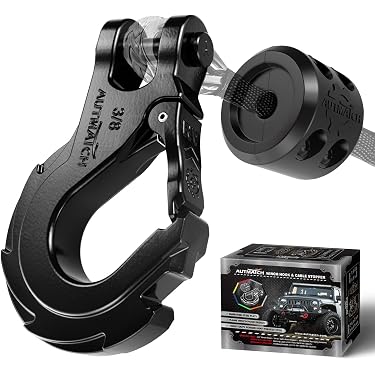
Winch hooks come in several types. Each type suits different jobs and winch setups. The most common types include clevis hooks, grab hooks, and slip hooks. Clevis hooks have a pin and are easy to attach. Grab hooks hold chains firmly. Slip hooks allow chains to slide under load. Choose the type that fits your pulling needs and equipment.
Material Strength And Durability
Winch hooks must be strong and durable. Most are made from steel or alloy steel. Alloy steel hooks are tougher and resist wear better. Look for hooks with a high load rating. Check for heat treatment or coatings that prevent rust. A strong hook keeps your load secure and lasts longer.
Size And Weight Considerations
Size affects how well a hook fits your winch and load. A hook too small may not hold the load safely. A hook too large can be heavy and hard to handle. Match the hook size to your winch cable or rope diameter. Consider the hook’s weight for ease of use and transport. A balanced size and weight improve safety and efficiency.
Credit: us.amazon.com
Safe Hook Attachment Techniques
Using a winch hook safely protects people and equipment. Secure attachment prevents accidents and damage. Follow simple steps to keep your winching tasks safe and efficient.
Proper Hook Placement
Place the hook on strong, stable points. Attach it to thick, solid parts of the load or anchor. Avoid sharp edges that can cut the cable. Make sure the hook sits flat and does not twist.
Securing With Safety Latches
Always use hooks with safety latches. The latch keeps the load from slipping off. Check the latch is fully closed before starting. Replace broken or missing latches immediately.
Avoiding Common Hooking Mistakes
Do not overload the hook beyond its capacity. Avoid hooking to weak or damaged areas. Never attach the hook to a chain link or wire rope loop. Inspect the hook and cable before every use.
Maintaining Winch Hooks
Maintaining winch hooks is essential for safety and performance. Regular care helps avoid accidents and extends hook life. Proper maintenance keeps the winch working smoothly and reliably. Neglecting maintenance can cause hook failure and costly repairs.
Regular Inspection Tips
Check winch hooks before every use. Look for cracks, bends, or rust. Make sure the safety latch works properly. Examine the hook’s throat opening for any deformation. Replace hooks showing signs of wear or damage. Regular inspection prevents accidents and ensures safe operation.
Cleaning And Lubrication
Clean the hook with a wire brush or cloth. Remove dirt, grease, and rust for better performance. Use a mild detergent if necessary, then dry thoroughly. Apply a light coat of lubricant to moving parts. Lubrication prevents rust and keeps the hook moving smoothly. Avoid over-lubricating, which can attract dirt.
When To Replace A Hook
Replace the winch hook if it shows deep cracks or bends. A hook with a worn safety latch must be replaced immediately. If the throat opening has stretched beyond limits, it is unsafe. Never use a hook with visible damage or heavy corrosion. Timely replacement protects you and your equipment from failure.
Enhancing Efficiency With Winch Hooks
Winch hooks are important for moving heavy loads safely and quickly. Using them the right way improves work speed and protects the equipment. Small changes can make a big difference in how well a winch hook performs.
Understanding how to use winch hooks better helps avoid delays and accidents. It also keeps the hook and cable in good shape for a longer time. These tips focus on practical ways to boost winch hook efficiency.
Using Swivels And Snatch Blocks
Swivels allow the hook to turn freely without twisting the cable. This reduces stress on the cable and hook. Snatch blocks change the direction of the pull, reducing the load on the winch. Using both tools together makes pulling easier and safer.
Optimizing Hook Angles
Hook angles affect how much force the winch needs. Keeping the hook straight with the load reduces strain. Avoid sharp angles that can bend or damage the hook. Proper alignment helps the winch work smoothly and lasts longer.
Reducing Wear And Tear
Wear and tear shorten the life of winch hooks and cables. Inspect hooks regularly for cracks or rust. Use protective coatings to prevent rust and corrosion. Store hooks in dry places to keep them strong and ready for use.
Safety Gear And Precautions
Using a winch hook requires strict safety gear and careful steps. These rules protect users from accidents and injuries. Safety measures keep the work area secure and prevent damage to equipment.
Personal Protective Equipment
Wear gloves to protect hands from cuts and pinches. Hard hats shield your head from falling objects. Safety boots guard your feet against heavy loads. Eye protection stops dust and debris from causing harm. Always wear clothing that fits well and does not get caught.
Safe Operating Distance
Keep a clear space around the winch hook while it operates. Stay out of the hook’s path and the cable’s line. Avoid standing close to the load or the cable under tension. A safe distance reduces risk if the cable snaps or the load drops. Mark the area to warn others about the danger zone.
Emergency Procedures
Know how to stop the winch quickly in an emergency. Have a plan ready for power failure or equipment malfunction. Keep first aid supplies nearby for treating minor injuries. Train all users on what to do if an accident happens. Call for help immediately if someone gets hurt.
Credit: us.amazon.com
Innovative Winch Hook Accessories
Innovative winch hook accessories improve safety and performance. These tools protect the hook, speed up work, and help monitor loads. They make winch use easier and safer for everyone.
Hook Covers And Guards
Hook covers protect the metal from rust and damage. Guards keep the hook from catching on ropes or clothes. These accessories reduce wear and extend the hook’s life. They also prevent injuries by covering sharp edges.
Quick-release Mechanisms
Quick-release mechanisms save time during hook changes. They allow fast attachment and detachment without tools. This feature is useful in rescue work and tough jobs. It helps workers stay safe and work faster.
Load Indicators
Load indicators show the weight on the winch hook. They prevent overloading, which can cause accidents. These indicators use simple gauges or digital screens. They help users keep the load within safe limits.
Frequently Asked Questions
What Are The Best Materials For Winch Hooks?
The best winch hooks are made from high-strength steel or alloy steel. These materials offer durability, corrosion resistance, and high load capacity. Steel hooks ensure safety and longevity in heavy-duty winching tasks, making them ideal for off-road and industrial use.
How Do I Choose The Right Size Winch Hook?
Select a winch hook size matching your winch cable diameter and load capacity. Using a hook that is too small or large can risk failure. Always check the manufacturer’s specifications to ensure proper fit and safe operation during winching.
Can Winch Hooks Be Used For Lifting Heavy Loads?
Winch hooks are primarily designed for pulling and towing, not lifting. For lifting heavy loads, use hooks specifically rated and designed for hoisting. Using winch hooks for lifting can be unsafe and may lead to equipment failure.
How To Maintain And Inspect A Winch Hook?
Regularly inspect winch hooks for cracks, bends, rust, or wear. Clean hooks after use and apply lubricant to moving parts. Replace any damaged hooks immediately to ensure safety and reliable winching performance.
Conclusion
Winch hooks come in many useful shapes and sizes. Choosing the right hook makes your work safer and easier. Always pick hooks that fit your needs and gear. Keep your equipment strong and reliable for every task. Small details can make a big difference in performance.
Use these winch hook ideas to help your projects run smoothly. Safety and efficiency go hand in hand. A good hook saves time and effort. Trust the right tools for better results.


![Read more about the article Different Types Of Winches Explained In Details [Beginners Guide]](https://autopartsguideline.com/wp-content/uploads/2021/03/different-types-of-winches-300x198.webp)