Are winches really worth it? If you’ve ever found yourself stuck in mud, snow, or rough terrain, you know how frustrating and risky it can be.
You might be wondering if investing in a winch will actually make your life easier or if it’s just an expensive gadget gathering dust. This article will help you decide if a winch is the right choice for your vehicle and adventures.
Keep reading to discover the real benefits, costs, and situations where a winch can be a game-changer for you.
Benefits Of Using Winches
Winches offer many benefits for off-road drivers and outdoor enthusiasts. They help solve problems quickly and safely. Using a winch can save time and reduce stress on difficult trails. The following sections explain key benefits of using winches.
Enhanced Vehicle Recovery
Winches provide strong, reliable support to pull stuck vehicles. They help recover cars from mud, sand, or snow. Using a winch reduces the risk of damaging your vehicle. It allows safe and controlled recovery without extra help. Winches make getting out of tough spots easier and faster.
Increased Safety On Trails
Winches improve safety by reducing physical strain during recovery. They let you control the pull with a remote or switch. This keeps you away from dangerous situations. Winches lower the chance of accidents on uneven or slippery terrain. They help protect both the vehicle and people around.
Versatility In Different Terrains
Winches work well on many surfaces like rocks, mud, or snow. They adapt to different trail challenges and vehicle types. Winches can also help with tasks like moving heavy objects or clearing paths. Their flexibility makes them useful beyond just vehicle recovery. This adds value on every outdoor adventure.
Types Of Winches For Off-roading
Winches are essential tools for off-roading. They help pull vehicles out of tough spots. Different types of winches suit various needs and vehicles. Choosing the right winch depends on your off-road adventures and vehicle type.
Electric Winches
Electric winches run on your vehicle’s battery. They are easy to use and install. These winches work well for light to medium recovery tasks. They can pull vehicles stuck in mud or sand. Electric winches are popular among off-road drivers.
Hydraulic Winches
Hydraulic winches use your vehicle’s power steering or hydraulic system. They offer strong pulling power and can work continuously without overheating. These winches are great for heavy-duty off-roading. They perform well in tough environments and long recoveries.
Manual Winches
Manual winches require physical effort to operate. They are simple, lightweight, and cost-effective. Manual winches suit small vehicles or emergency use. They do not need power, making them reliable in remote areas. These winches are good backups during off-road trips.
Key Features To Consider
Choosing the right winch depends on several important features. These features affect how well the winch works and if it fits your needs. Knowing what to check helps you pick the best winch for your tasks.
Pulling Capacity
The pulling capacity shows how much weight the winch can pull. It must be strong enough for your vehicle or load. A good rule is to pick a winch with at least 1.5 times the weight of what you want to pull. This ensures safety and power.
Cable Material And Length
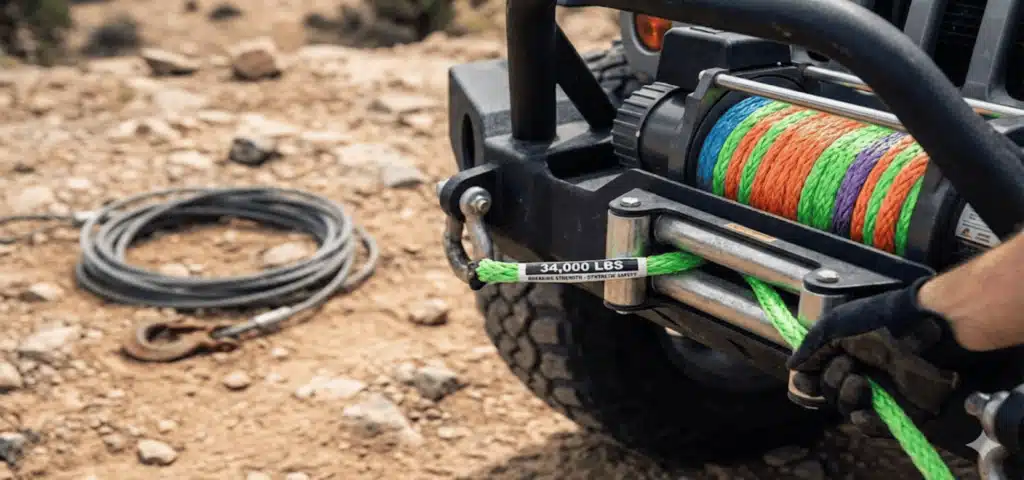
Winch cables come in steel or synthetic types. Steel cables are strong but heavy and can rust. Synthetic cables are light and easier to handle. Cable length matters too. Longer cables reach farther but can be harder to store. Choose the right length for your needs.
Mounting Options
Winches can mount on bumpers, frames, or special plates. Check if the winch fits your vehicle’s mounting area. Some mounts need extra parts or changes to your vehicle. A secure mount keeps the winch steady during use.
Remote Controls And Accessories
Remote controls make winch operation safer and easier. Some winches come with wired or wireless remotes. Accessories like snatch blocks and gloves improve safety and function. Think about which extras you might need before buying.

Credit: surfinglatino.com
Installation Tips And Best Practices
Installing a winch properly is key to its performance and safety. Follow these tips and best practices to get the most out of your winch. Careful planning and correct setup make your winch reliable and long-lasting.
Choosing The Right Location
Pick a spot on your vehicle that is strong and stable. The front bumper or a specially designed winch mount works best. Make sure the area has enough space for the winch and the cable to move freely. Avoid spots near heat sources or moving parts. Position the winch where you can easily reach the controls.
Wiring And Power Requirements
Use thick, high-quality cables to handle the winch’s power needs. Connect the wires directly to the battery for steady power. Keep wiring away from sharp edges or hot parts to prevent damage. Secure all connections tightly to avoid loose contacts. Add a fuse or circuit breaker for safety. Check the manufacturer’s guide for voltage and amperage specs.
Regular Maintenance
Inspect the winch regularly for wear and tear. Clean the cable and drum to remove dirt and rust. Lubricate moving parts to keep them working smoothly. Check all bolts and mounts to ensure they are tight. Test the winch under light load to confirm it works correctly. Replace damaged parts immediately to avoid accidents.
Cost Vs. Value Analysis
Understanding the cost versus value of winches helps decide if they are a smart buy. It balances the money spent against the benefits gained over time. This analysis shows the true worth of owning a winch.
Initial Investment
Winches come with a price tag that varies by type and strength. Basic models cost less but offer fewer features. Heavy-duty winches cost more but handle tough jobs easily. Installation might add to the initial cost. Think about the quality and warranty when choosing one. The first payment is only part of the full picture.
Long-term Benefits
Winches save time and effort during difficult recoveries. They reduce the risk of damage to your vehicle. A reliable winch can prevent costly towing fees. Using a winch improves safety for you and others. Over time, these benefits add value beyond the purchase price. Consider how often you will use it and the tasks it will help with.
Resale Value Impact
Adding a winch can increase your vehicle’s resale appeal. Buyers often see it as a useful upgrade. Well-maintained winches show the owner cared about vehicle readiness. This can lead to higher offers or faster sales. The winch’s condition matters for keeping its value. It adds a practical feature that stands out in the market.

Credit: www.reddit.com
Common Winching Mistakes To Avoid
Winching can help you get out of tough spots, but mistakes can cause accidents or damage. Avoiding common winching errors keeps you safe and protects your gear. Understanding these mistakes helps you use your winch well and avoid problems.
Improper Anchor Points
Choosing the wrong anchor point is a big mistake. Trees, rocks, or strong posts work best. Weak or unstable anchors can break and cause injury. Always check if the anchor is solid before you start winching. Use tree protectors to avoid damage to nature.
Overloading The Winch
Winches have weight limits. Pulling more than the rated capacity can damage the winch. Overloading can cause the cable to snap or the motor to fail. Know your winch’s limit and never go beyond it. Using a snatch block can help reduce the load safely.
Ignoring Safety Precautions
Winching is dangerous without proper safety steps. Always wear gloves to protect your hands. Keep bystanders far from the winch line. Use a winch dampener on the cable to reduce recoil if it breaks. Never stand near or over the cable during winching.
Alternatives To Winches
Winches are popular tools for off-road recovery, but they are not the only option. Several alternatives can help you get unstuck or move heavy objects safely. These tools vary in cost, ease of use, and application. Understanding these options allows you to choose the best tool for your needs.
Traction Boards
Traction boards provide grip under stuck tires. They are lightweight and easy to carry. You place them under the wheels to gain traction on mud, sand, or snow. They work well for mild to moderate situations. Traction boards do not require power or complex setup.
Hi-lift Jacks
Hi-lift jacks lift vehicles to change tires or place traction aids. They can also pull vehicles out of ruts. These jacks are versatile and durable. They need some skill and care to use safely. Hi-lift jacks are good for various recovery tasks beyond winching.
Tow Straps And Snatch Blocks
Tow straps connect vehicles for pulling out stuck cars. Snatch blocks are pulleys that change pulling direction and increase pulling power. Together, they allow controlled and powerful recovery. Tow straps are affordable and simple to use. Snatch blocks add flexibility and reduce strain on the towing vehicle.
Credit: duracordix.com
Real Off-roader Experiences
Real off-roader experiences show the true value of winches. They tell stories of tough situations where winches saved the day. These tales help others decide if a winch is right for them.
Many off-roaders share their wins and losses. They offer honest views on what works and what does not. These voices add trust and insight to the winch debate.
Success Stories
One driver got stuck in deep mud during a trail ride. The winch pulled the vehicle out without damage. This quick rescue kept the trip fun and safe.
Another off-roader used a winch to climb steep rocks. The winch gave control and power to move upward. This helped reach spots that were once unreachable.
Lessons Learned
Some users faced problems using winches without practice. They learned that training is key to safe use. Knowing how to handle the winch avoids accidents.
Others found cheap winches broke easily under pressure. Investing in quality gear saves money over time. Durability is crucial for tough off-road work.
Expert Recommendations
Off-road experts suggest choosing a winch with enough power. It should match the vehicle’s weight and needs. Too weak a winch can fail in hard spots.
Experts advise regular maintenance to keep winches ready. Checking cables and electrical parts prevents breakdowns. A well-kept winch lasts longer and works better.
Frequently Asked Questions
What Are The Main Benefits Of Using A Winch?
Winches provide powerful pulling force to recover stuck vehicles or lift heavy loads. They enhance safety, save time, and offer versatility for off-road and work tasks.
How Do I Choose The Right Winch For My Vehicle?
Select a winch with a pulling capacity 1. 5 times your vehicle’s weight. Consider power source, cable type, and mounting options for compatibility and durability.
Are Electric Winches Better Than Manual Winches?
Electric winches are faster and easier to use but require a power source. Manual winches are simpler, lighter, and don’t rely on electricity but need more effort.
Can Winches Be Used For Purposes Other Than Vehicle Recovery?
Yes, winches are useful for lifting heavy objects, pulling trailers, and even in construction or farming for moving equipment and materials efficiently.
Conclusion
Winches offer clear benefits for many outdoor and work tasks. They help move heavy loads with less effort. Using a winch can save time and reduce strain. Not every situation needs one, but many do. Think about your needs and how often you’ll use it.
A winch can be a helpful tool that adds safety and ease. Choosing the right winch matters for best results. In the end, they can be worth the investment for many people.
![Read more about the article Understanding Winch Amperage [Everything You Need To Know]](https://autopartsguideline.com/wp-content/uploads/2021/10/understanding-winch-amperage-300x190.webp)
