Have you ever come across the word “winch” and wondered what it really means? Whether you’ve seen it in a movie, read it in a book, or heard it during a conversation, understanding this word can give you a clearer picture of what’s happening.
Knowing exactly what a winch is and how it works could even help you in practical situations, like fixing something or understanding technical instructions. Stick with me, and by the end of this article, you’ll not only know the meaning of winch but also why it matters to you.
Ready to discover something useful? Let’s dive in.

Credit: www.youtube.com
Winch Basics
A winch is a simple tool used to pull or lift heavy objects. It helps people move things that are hard to move by hand. Winches make work easier and safer.
They come in many sizes and types. Some are small and manual, while others are large and powered by motors. Understanding what a winch is helps you see its value in daily tasks.
Origin Of The Word
The word “winch” comes from old English. It originally meant a winding device. This device was used to pull ropes or cables. The term has been around for hundreds of years.
Its roots trace back to the Middle Ages. Back then, winches helped in sailing and construction. The word evolved but kept its basic meaning.
General Description
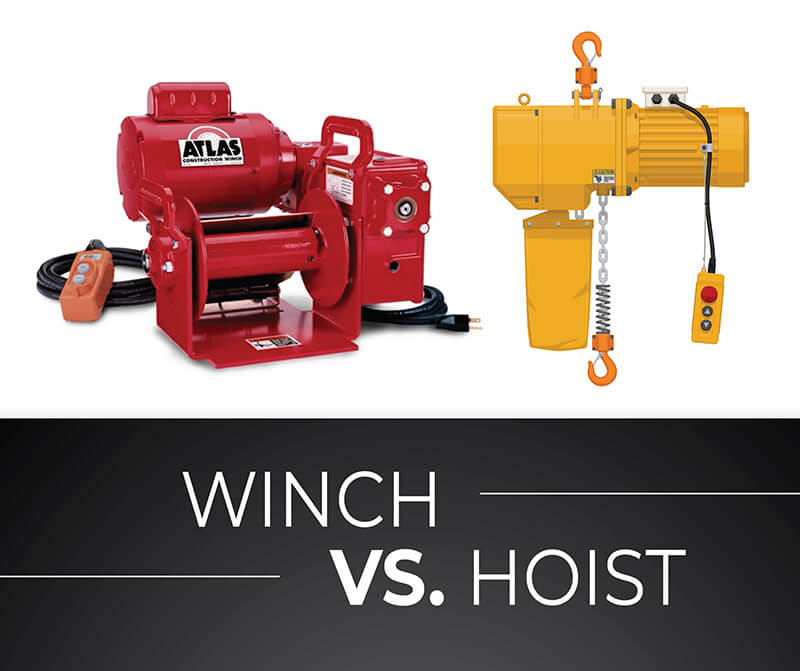
A winch is a mechanical tool with a drum. The drum holds a rope or cable. When turned, the drum winds the rope in or out.
This winding action pulls or lifts objects. Some winches use a handle to turn the drum. Others have motors for power.
Winches are common in boats, trucks, and construction sites. They help move heavy loads safely and quickly.
Types Of Winches
Winches come in various types, each designed for specific tasks. Knowing the differences helps you choose the right one for your needs. Winches vary mainly by their power source and operation method. This section explains the main types of winches used today.
Manual Winches
Manual winches operate by hand. You turn a crank to pull or lift heavy loads. They do not need electricity or fuel, making them useful in remote areas. Manual winches are simple and reliable. They work well for light to medium tasks.
Electric Winches
Electric winches run on batteries or power sources. They use motors to pull heavy items with less effort. These winches are common in vehicles and workshops. Electric winches offer more power and speed than manual ones. They are ideal for regular or tough jobs.
Hydraulic Winches
Hydraulic winches use fluid pressure to operate. They connect to a hydraulic system on machines or vehicles. These winches deliver high power for very heavy loads. Hydraulic winches work well in industrial and construction settings. They provide smooth and strong pulling force.
Common Uses Of Winches
Winches are powerful tools used in many fields. They help lift, pull, or move heavy loads with less effort. Their design makes tough jobs easier and safer. Different industries rely on winches for specific tasks. Here are some common uses of winches in everyday work and activities.
Construction And Industry
Winches move heavy materials on construction sites. They lift steel beams and large equipment safely. Workers use winches to position loads with precision. Factories use winches to handle heavy machinery parts. These tools speed up work and reduce injuries.
Marine Applications
Boats use winches to raise and lower sails easily. Winches help pull anchor chains on ships and boats. They secure cargo during transport on the water. Fishermen use winches to haul in heavy nets. These devices make marine work smoother and safer.
Off-road And Recovery
Off-road vehicles use winches to escape mud or rough terrain. Winches pull stuck vehicles out of tough spots. Rescue teams rely on winches during emergencies. They help clear paths and move heavy debris. Off-road winches provide safety and support in wild areas.
Credit: thern.com
How A Winch Works
A winch is a tool that helps pull or lift heavy objects. It uses a rope or cable wrapped around a drum. Turning the drum winds the rope in or lets it out. This simple action creates a strong pulling force.
Winches are common in many industries, like construction, boating, and rescue. Understanding how a winch works helps use it safely and effectively. The key parts work together to make tough jobs easier.
Basic Mechanism
The core part of a winch is the drum. The rope or cable wraps around it tightly. When the drum turns, the rope moves. This motion pulls the load attached to the rope.
Power for turning the drum can come from different sources. Some winches use electric motors. Others use hand cranks or hydraulic systems. The motor or crank turns gears that spin the drum.
Gears increase the force applied. This helps pull heavy loads with less effort. The drum’s rotation speed depends on the gear ratio.
Safety Features
Winches have safety parts to prevent accidents. One common feature is the brake. It stops the drum from turning when the winch is not active. This keeps the load from slipping back.
Another safety part is the clutch. It allows the drum to spin freely when needed. The clutch helps control the rope’s movement carefully.
Many winches have automatic shut-off switches. These switches stop the motor if the winch overheats or the load is too heavy. This protects both the winch and the user.
Choosing The Right Winch
Choosing the right winch is important for safety and effectiveness. A winch helps pull or lift heavy loads with ease. Selecting the wrong winch can cause accidents or damage. Consider key factors before buying to ensure you get the best fit.
Load Capacity
Load capacity means the maximum weight a winch can pull. Choose a winch with a capacity higher than your heaviest load. This ensures the winch works without strain. Overloading a winch can cause it to fail or break.
Power Source
Winches come with different power sources like electric, hydraulic, or manual. Electric winches are common and easy to use. Hydraulic winches are strong but need a hydraulic system. Manual winches require physical effort and are best for light loads.
Durability And Maintenance
Durability means how well a winch lasts over time. Look for winches made with strong materials like steel or aluminum. Regular maintenance keeps the winch working well. Clean and check parts often to avoid rust and wear.

Credit: dictionary.cambridge.org
Winch Terminology
Understanding winch terminology helps you use the tool safely and effectively. Winches have several parts that work together. Each part has a specific name and role. Knowing these terms makes it easier to communicate and learn about winches.
This section explains key winch terms. It covers the differences between cable and rope, explains the drum and gearbox, and describes brake systems.
Cable Vs. Rope
Winches use either cable or rope to pull loads. Cable is made of steel wires twisted together. It is strong and durable but can rust. Rope is usually synthetic, like nylon or polyester. It is lighter and easier to handle. Rope is safer because it does not snap back as much as cable. Each has its uses depending on the job.
Drum And Gearbox
The drum is the round part where the cable or rope winds. It holds the pulling line and spins to pull or release it. The gearbox connects the drum to the motor. It changes the speed and power from the motor to the drum. This helps the winch pull heavy loads with less effort.
Brake Systems
Brake systems stop the drum from moving when the winch is not pulling. This keeps the load in place. Some winches have automatic brakes that engage when power stops. Others use manual brakes that you operate by hand. Brakes are essential for safety during winching tasks.
Frequently Asked Questions
What Does Winch Mean In Simple English?
A winch is a mechanical device used to pull or lift heavy objects. It usually has a spool and a crank or motor. Winches help move loads easily by winding a rope or cable.
How Is A Winch Used In Daily Life?
Winches are used in construction, boating, and off-roading. They help lift heavy materials or pull vehicles out of tough spots. Winches make heavy tasks safer and more efficient.
What Are The Types Of Winches Available?
Common types include manual winches, electric winches, and hydraulic winches. Each type suits different tasks, from light lifting to heavy industrial use. Choosing the right winch depends on your specific needs.
Why Is A Winch Important In Towing?
Winches provide controlled pulling power for towing vehicles or equipment. They help recover stuck vehicles safely without causing damage. This makes winches essential for rescue and towing operations.
Conclusion
A winch is a simple tool that helps pull or lift heavy things. It uses a rope or cable wound around a drum. People use winches in many places, like boats, cars, and construction sites. Understanding what a winch means can help you recognize its uses better.
Now you know why winches are important in everyday tasks. They make heavy work easier and safer. Keep this meaning in mind next time you hear the word “winch. ” It is a small device with a big job.


![Read more about the article How To Winch Backwards [Complete Step by Step Guide]](https://autopartsguideline.com/wp-content/uploads/2021/10/how-to-winch-backwards-300x197.webp)